
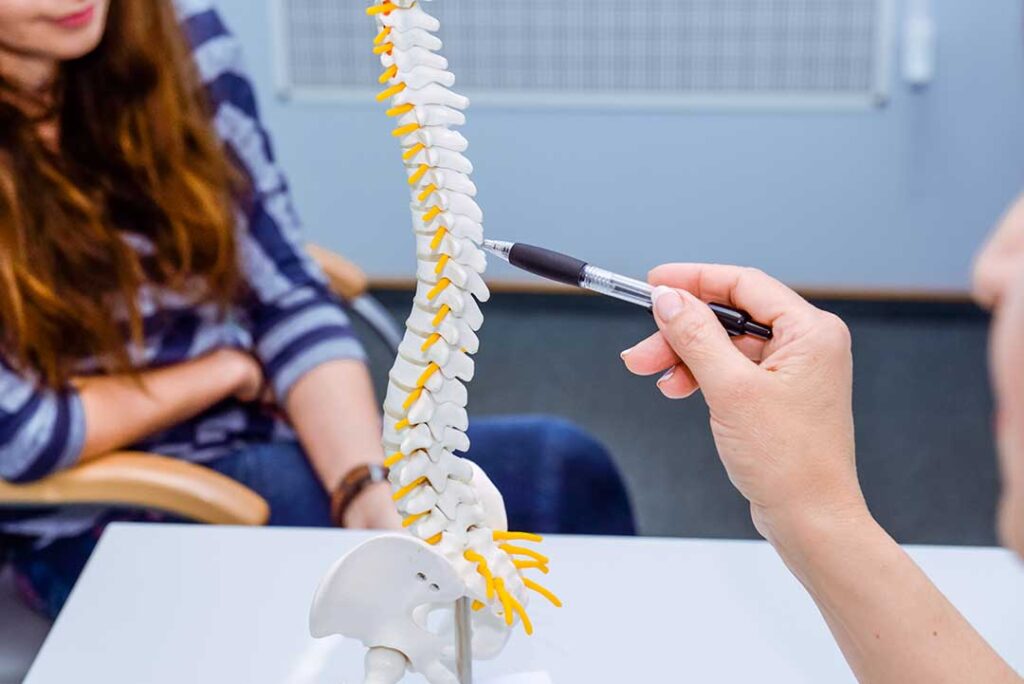
Healthy aging is not simply about adding years to life. It also involves preserving strength, balance, mobility, comfort, and the ability to carry out everyday tasks with confidence. Chiropractic care may support some of these goals when it is used thoughtfully alongside exercise, medical care, and healthy daily habits.
Chiropractic care does not stop the normal aging process or treat every condition associated with aging. Its potential role is more specific: helping some people manage musculoskeletal discomfort, maintain movement, and understand how posture, joint motion, and physical activity affect daily function.
What does healthy aging mean for the spine and joints?
Healthy aging means preserving function rather than avoiding every ache or change. The spine, hips, knees, shoulders, and other joints may become less flexible over time, while muscle strength, reaction speed, and balance can also change.
These changes do not automatically mean that pain or loss of mobility is unavoidable. Regular movement, adequate sleep, balanced nutrition, strength training, and appropriate medical care can help protect independence.
For local residents, everyday routines may place repeated demands on the body. Walking to nearby destinations, using stairs, maintaining a home, carrying groceries, gardening, and preparing for winter weather all require a combination of joint mobility, leg strength, coordination, and balance.
How might chiropractic care support older adults?
Chiropractic care commonly focuses on the musculoskeletal system, including the spine, muscles, joints, and related movement patterns. Depending on a person’s condition, care may include gentle manual techniques, mobility exercises, posture education, or recommendations for activity modification.
Possible goals may include:
- Reducing stiffness that makes walking, turning, or reaching more difficult
- Supporting comfortable movement of the spine and extremity joints
- Improving awareness of posture during sitting, standing, and household activities
- Helping a person remain active while managing certain types of back or neck discomfort
- Identifying movement limitations that may benefit from exercise or another form of care
The purpose should be improved function, not simply the production of a temporary sensation such as a “crack” or adjustment. A useful plan considers what a person wants to do, such as walking comfortably, lifting a grandchild, getting dressed, or remaining steady while using stairs.
Can chiropractic care help with balance or fall prevention?
Chiropractic treatment alone should not be viewed as a complete fall-prevention program. Falls can result from reduced leg strength, vision changes, medication effects, blood pressure changes, unsafe footwear, poor lighting, inner-ear problems, or neurological conditions.
Balance is best supported through a broader approach that may include:
- Strengthening the hips, legs, and trunk
- Practicing balance under safe conditions
- Improving walking mechanics and confidence
- Reviewing medications and health conditions with an appropriate medical clinician
- Removing loose rugs, clutter, and poorly placed cords
- Improving lighting on stairs, walkways, and entrances
- Using supportive footwear, particularly during icy or wet seasonal conditions
Chiropractic care may contribute by addressing certain mobility restrictions or musculoskeletal complaints that make movement more difficult. However, dizziness, fainting, repeated falls, sudden weakness, numbness, or a new change in walking should receive prompt medical evaluation rather than being managed only with spinal care.
What types of exercise are especially valuable with age?
Exercise is a central part of healthy aging. Older adults generally benefit from a combination of aerobic activity, muscle strengthening, flexibility work, and balance practice.
Walking is a practical starting point for many people, but it is not the only useful activity. Depending on ability and medical history, a balanced routine may include:
- Brisk or moderate-paced walking
- Sit-to-stand practice from a stable chair
- Light resistance exercises using body weight or bands
- Gentle range-of-motion movements
- Tai chi or other controlled balance activities
- Water-based exercise when joint impact is a concern

Exercises should be challenging enough to build capacity but not so difficult that they cause sharp pain, repeated loss of balance, or prolonged worsening of symptoms. A person who has been inactive, recently fallen, had surgery, or lives with osteoporosis, heart disease, neurological disease, or another significant condition may need individualized guidance before increasing activity.
Is spinal manipulation safe for older adults?
Safety depends on the individual, the technique, the body region treated, and the person’s medical history. Older adults may have osteoporosis, arthritis, spinal narrowing, previous fractures, blood-thinning medication use, or other factors that require careful screening and modification.
A responsible evaluation should include health history, current symptoms, medications, prior injuries, and warning signs. Forceful techniques may not be appropriate for everyone. Some people may be better suited to gentle mobilization, exercise-based care, or evaluation by another health professional.
Neck manipulation deserves particular caution because neck pain can occasionally resemble symptoms of a serious vascular or neurological problem. Sudden severe headache, facial drooping, difficulty speaking, new weakness, loss of coordination, fainting, or unusual vision changes require emergency attention.
Chiropractic care should complement, not replace, necessary medical evaluation. Persistent unexplained weight loss, fever, significant nighttime pain, progressive weakness, loss of bladder or bowel control, or pain after a major fall also warrant prompt medical assessment.
What should older adults expect from an evidence-informed approach?
An appropriate approach begins with a clear functional question. Instead of focusing only on whether a joint feels restricted, the discussion should consider whether symptoms interfere with walking, sleep, household tasks, exercise, or social activities.
Care may involve a combination of:
- A movement and musculoskeletal assessment
- Education about lifting, sitting, sleep positions, or pacing activities
- Gentle hands-on treatment when appropriate
- Home exercises that support strength and mobility
- Progress tracking based on walking tolerance, daily tasks, or symptom changes
- Coordination with medical, physical therapy, or other care when needed
Short-term symptom relief can be useful, but lasting healthy aging depends more on maintaining regular movement and physical capacity. Passive treatment without gradual activity may provide limited long-term benefit.
How can households support mobility through the seasons?
Seasonal conditions can affect movement and fall risk. Wet leaves, snow, ice, uneven pavement, and darker winter afternoons may make outdoor walking more difficult. Indoor activity can help maintain consistency when outdoor conditions are unsafe.
Simple steps include keeping entryways clear, using handrails, replacing worn footwear, allowing extra time on slippery surfaces, and choosing well-lit walking routes. Inside the home, frequently used items should be stored where they can be reached without climbing or stretching from an unstable position.
Healthy aging is supported by preserving the ability to move safely and participate in meaningful daily activities. Chiropractic care may have a role for selected musculoskeletal concerns, but the strongest foundation remains a coordinated plan that includes exercise, fall prevention, appropriate medical care, and realistic attention to each person’s changing needs.
