
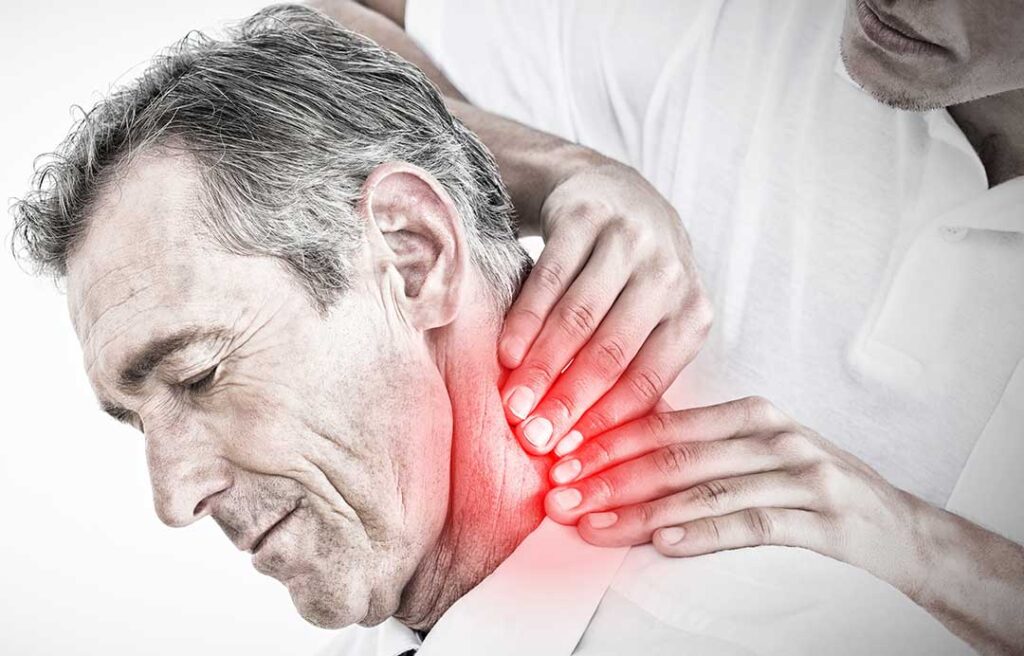
For many older adults in Lynbrook, NY, mobility means more than walking a certain distance. It can mean getting out of a chair, turning safely, reaching into a cupboard, climbing household steps, or staying steady during seasonal walks and daily errands. Chiropractic care may support these abilities by addressing joint movement, muscle tension, spinal function, and pain that can make ordinary activities more difficult.
Chiropractic care is not a cure for aging, arthritis, osteoporosis, or neurological conditions. Its potential role is more specific: helping some people move with less discomfort and better physical function when treatment is appropriately selected and combined with activity, strength, balance training, and medical care when needed.
What does mobility mean for an older adult?
Mobility includes the ability to move through the home and community safely and confidently. It involves more than leg strength. The spine, hips, knees, ankles, shoulders, balance system, vision, coordination, and confidence all contribute.
Reduced mobility may show up as:
- Taking shorter steps or walking more slowly
- Avoiding stairs, uneven sidewalks, or crowded areas
- Feeling stiff after sitting or sleeping
- Using the arms heavily to rise from a chair
- Having difficulty turning, reaching, bending, or getting dressed
- Limiting activities because of fear of pain or falling
Several of these changes can develop gradually. Pain may lead to less movement, less movement can reduce strength and flexibility, and those changes may make everyday tasks even harder.
How might chiropractic care support movement?
Chiropractic care commonly focuses on the relationship between the spine, joints, muscles, and movement patterns. Depending on a person’s condition, care may include gentle manual techniques, mobilization, soft-tissue work, movement education, and exercises.
Potential benefits may include:
Reducing stiffness
Joints and surrounding muscles can feel stiff after extended sitting or periods of inactivity. Gentle joint movement and mobility exercises may make it easier to rotate the neck, extend the back, move the hips, or reach with the arms.
The goal is not to force a joint beyond a safe range. For an older adult, gradual improvement in comfortable movement is generally more useful than aggressive stretching or high-force techniques.
Improving tolerance for daily activities
Back, neck, or joint discomfort can interfere with standing, walking, lifting light household items, or preparing meals. If pain becomes more manageable, a person may be able to resume useful movement more consistently.
This matters because mobility often improves through regular practice. A brief walk, repeated sit-to-stand movements, or gentle strengthening may be easier to perform when pain and stiffness are not dominating the activity.
Supporting more coordinated movement
Some older adults compensate for discomfort by leaning, favoring one leg, or avoiding rotation. These habits can place extra demand on other areas of the body. Movement-focused care may help identify these patterns and encourage safer ways to bend, turn, rise, and walk.
This does not mean that every uneven gait is caused by a spinal problem. Changes in walking can also result from neurological conditions, medication effects, vision problems, inner-ear disorders, joint disease, or weakness.
Encouraging active self-management
Useful chiropractic care for older adults should not rely only on passive treatment. It may include practical instruction on posture changes, pacing, gentle home exercises, and ways to break up long periods of sitting.
Improving mobility usually requires repeated activity between visits or treatment sessions. Strength, flexibility, balance, and aerobic activity each address different parts of physical function.
Is spinal manipulation safe for seniors?
Many older adults tolerate appropriately selected manual care, but age-related health conditions make screening especially important. Mild soreness, stiffness, or temporary discomfort can occur after manipulation or mobilization. More serious complications are uncommon, but the potential risk may be higher when a person has certain medical conditions.
Before treatment, an older adult should make sure the treating clinician knows about:
- Osteoporosis or a history of fractures
- Recent surgery, falls, or injuries
- Blood-thinning medication
- Cancer, infection, or unexplained weight loss
- Severe or worsening neurological symptoms
- Inflammatory arthritis
- Significant heart or circulation problems
- Numbness, weakness, or changes in bladder or bowel control
Forceful techniques are not appropriate for every person or every body region. Treatment may need to be modified, postponed, or avoided depending on health history, bone strength, medications, and symptoms.
Sudden severe pain, new weakness, loss of coordination, fainting, chest pain, difficulty speaking, or a major change in walking requires prompt medical evaluation rather than routine musculoskeletal care.
Can chiropractic care prevent falls?
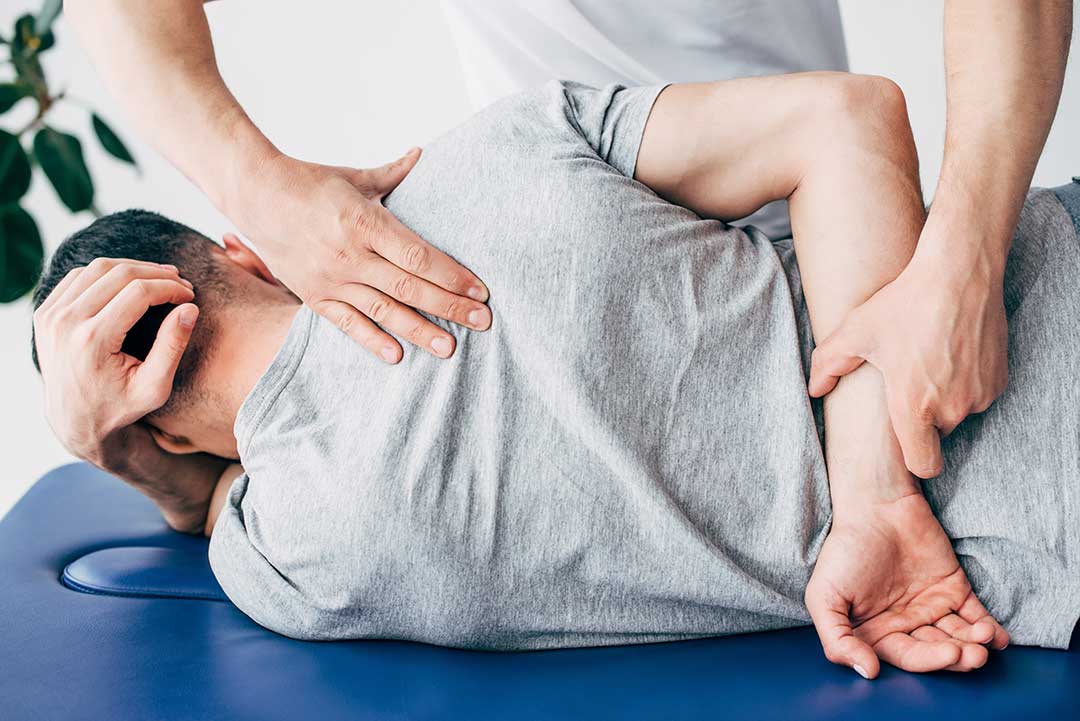
Chiropractic treatment alone should not be viewed as a fall-prevention program. Falls are influenced by leg strength, balance, vision, footwear, medications, home hazards, blood pressure changes, and previous falls.
Care that improves comfort may make it easier to participate in exercises, but fall prevention usually requires a broader plan. Helpful components may include:
- Strengthening the legs and hips
- Practicing balance under safe conditions
- Walking regularly at an appropriate pace
- Reviewing medications with a medical clinician or pharmacist
- Improving lighting and removing loose rugs or clutter
- Using handrails on stairs
- Wearing stable, well-fitting footwear
For households in the area, seasonal conditions can add practical concerns. Wet entryways, slippery surfaces, low winter temperatures, and reduced daylight may make safe footwear, lighting, and clear walkways especially important.
What exercises complement mobility-focused care?
Older adults generally benefit from a combination of aerobic activity, muscle strengthening, flexibility work, and balance exercises. The appropriate level depends on health status and current ability.
Examples may include:
- Short, comfortable walks
- Sit-to-stand practice from a stable chair
- Heel raises while holding a counter
- Gentle shoulder and ankle range-of-motion exercises
- Balance practice near a sturdy support
- Water-based exercise or other low-impact activity
Exercise should not produce sharp pain, dizziness, unusual shortness of breath, or new neurological symptoms. A person who is frail, recovering from an injury, or managing several medical conditions may need an individualized plan from a qualified healthcare provider.
What should an older adult expect from a careful evaluation?
A responsible evaluation should look beyond the area that hurts. It may include questions about falls, walking tolerance, daily activities, medical history, medications, previous imaging, bone health, and symptoms such as numbness or weakness.
The purpose is to determine whether the problem appears appropriate for conservative musculoskeletal care or whether another type of evaluation is needed. A clear plan should explain the likely goals, the limits of treatment, warning signs, and how progress will be judged.
Useful measures may include the ability to rise from a chair, walk a familiar route, turn without discomfort, reach overhead, or complete household tasks. These practical changes often matter more than temporary relief immediately after treatment.
Mobility in later life is supported by several connected habits: staying active, maintaining strength, protecting balance, managing pain appropriately, and addressing health conditions early. Chiropractic care may be one part of that effort for selected older adults, especially when it is gentle, individualized, and integrated with broader mobility and fall-prevention strategies.
