
Sciatica can cause burning, aching, tingling, or electric-like pain that travels from the lower back or buttock into the thigh, calf, or foot. For many people in Lynbrook, NY, symptoms improve with time, gentle activity, and changes that reduce pressure or irritation around the lower back.
Natural approaches may help manage discomfort, but they are not appropriate for every cause of leg pain. Sciatica can result from a bulging or herniated disc, narrowing around the spinal nerves, arthritis-related changes, or another condition. The following measures are generally intended for mild symptoms without warning signs.
What does sciatica feel like?
Sciatica usually affects one side and follows part of the sciatic nerve pathway. Symptoms may include:
- Pain extending from the low back or buttock into the leg
- Tingling, pins-and-needles, or numbness
- Burning or sharp, shooting pain
- Weakness in the leg or foot
- Increased discomfort after prolonged sitting, coughing, sneezing, or bending
Pain that stays only in the lower back is not necessarily sciatica. Hip, sacroiliac joint, hamstring, and other nerve conditions can feel similar, so persistent or unusual symptoms deserve proper evaluation.
Should you rest when sciatica starts?
Short periods of rest can be useful during a severe flare, but prolonged bed rest often makes recovery harder. Gentle movement helps maintain circulation, reduce stiffness, and prevent the back and leg muscles from becoming deconditioned.
Try changing position every 20 to 30 minutes. A brief walk around the home, a slow trip outdoors, or light household movement may be more helpful than sitting or lying down for hours. Stop or reduce an activity if it clearly increases leg pain, numbness, or weakness.
During a flare, avoid heavy lifting, repeated twisting, deep bending, and activities that require straining. This may include moving furniture, carrying full laundry baskets, shoveling, or lifting children from awkward positions.
Can heat or ice relieve nerve pain?
Heat and cold can both provide temporary relief, although people respond differently.
A cold pack may be useful during the first day or two after an aggravating event, particularly if the area feels irritated. Apply it for about 15 to 20 minutes with a cloth between the pack and skin.
Moist heat, a warm shower, or a heating pad may help when muscle tightness is contributing to discomfort. Use low or moderate heat for 15 to 20 minutes and avoid falling asleep with a heating device in place.
Neither method should cause skin discoloration, burning, or increased pain. People with reduced sensation, diabetes, or circulation problems should use extra caution because skin injury may not be felt promptly.
Which gentle exercises may help?
The most useful movement depends on the cause and direction of symptoms. A gentle routine should not force pain farther down the leg.
Reasonable starting options may include:
- Short, easy walks on level ground
- Gentle pelvic tilts while lying on the back
- Comfortable knee movements that do not increase leg symptoms
- Light abdominal bracing while breathing normally
- Carefully controlled stretching of the hips or hamstrings, if it feels relieving rather than aggravating
A stretch should feel mild and controlled, not sharp, burning, or electric. If symptoms move farther down the leg, become more intense, or produce new weakness, stop that exercise.
Residents may notice seasonal effects as well. Cold winter conditions can encourage people to remain seated indoors, while snow or ice removal can involve sudden bending and twisting. Warming up with a few minutes of walking before outdoor chores and using smaller loads can reduce strain.
How can sitting and sleeping be adjusted?
Long periods of sitting can aggravate symptoms, especially during commuting, desk work, gaming, or watching television. Keep both feet supported when possible, avoid sinking deeply into a couch, and place a small rolled towel behind the lower back if it improves comfort.
A useful routine is to stand, walk briefly, or change position before pain becomes intense. Alternating between sitting and standing is usually more helpful than trying to maintain one “perfect” posture all day.
For sleep, side-lying with a pillow between the knees may reduce twisting through the pelvis. Some people are more comfortable on their back with a pillow beneath the knees. Stomach sleeping can increase lower-back strain for some individuals, but comfort and symptom response matter more than a universal rule.
Mattresses, pillows, and bedroom temperature can also affect sleep quality. Poor sleep can heighten pain sensitivity, so keeping a regular sleep schedule and limiting late-day caffeine may support recovery.
Are supplements, herbs, or massage effective?
Evidence for supplements and herbal remedies is mixed, and “natural” does not automatically mean safe. Products marketed for inflammation or nerve pain can interact with blood thinners, blood-pressure medicines, diabetes treatments, or other drugs. They may also be unsuitable during pregnancy or with kidney, liver, or bleeding disorders.
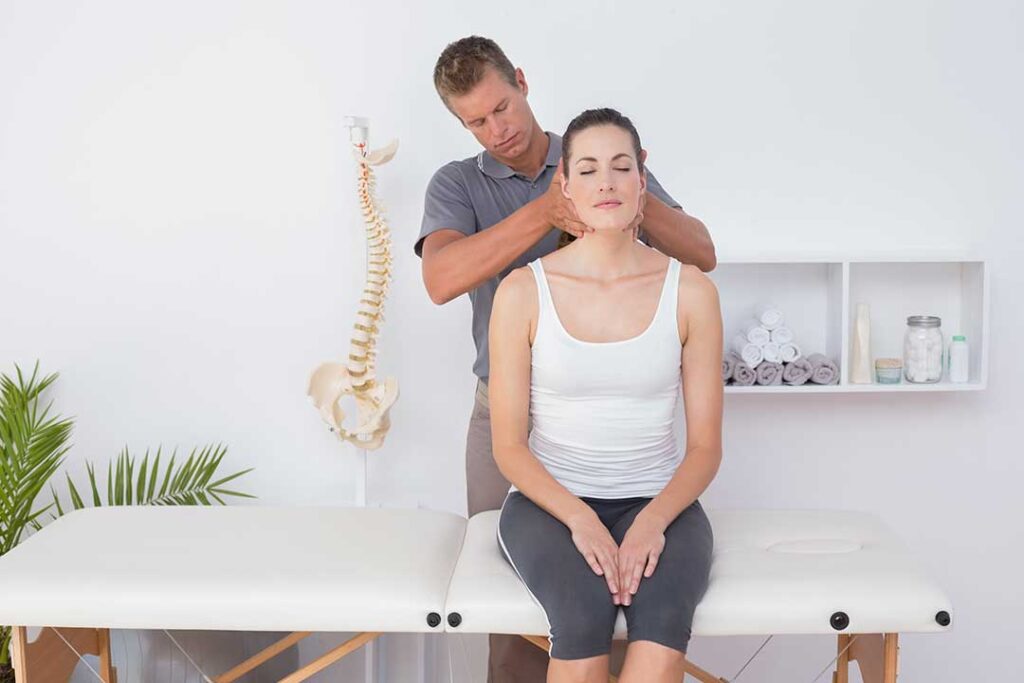
Massage may ease muscle tension around the lower back, buttocks, or hips, but it does not correct every cause of nerve compression. Avoid forceful massage directly over a painful, numb, or weak area. Acupuncture, spinal manipulation, and other hands-on approaches may help some people, but they should be considered based on the individual diagnosis and medical history rather than as guaranteed cures.
When should sciatica be checked promptly?
Seek urgent medical attention for:
- New loss of bladder or bowel control
- Numbness around the inner thighs, groin, or saddle area
- Sudden or worsening weakness in the leg or foot
- Severe symptoms in both legs
- Back or leg pain after a major fall or collision
- Fever, unexplained weight loss, or a history of cancer combined with new back pain
A medical evaluation is also sensible when pain is severe, keeps worsening, interferes with sleep or walking, or does not begin improving after several days of self-care. Persistent numbness or weakness should not be managed only with stretching.
What is a sensible home plan?
For mild symptoms, a practical approach is to remain gently active, use heat or cold for short periods, adjust sitting and sleeping positions, and avoid movements that increase leg symptoms. Keep a simple record of what helps and what makes the pain worse.
Natural care is most useful when it supports safe movement rather than replacing evaluation. Sciatica often improves gradually, but pain that persists, returns repeatedly, or includes neurological changes may require a more specific diagnosis and treatment plan.
