

A chiropractic appointment is easier and more useful when the patient arrives with clear information about symptoms, medical history, medications, and personal goals. Most preparation is simple: wear comfortable clothing, bring relevant records, and be ready to describe what has changed, what makes symptoms worse, and what has already been tried.
For residents of Lynbrook, NY, everyday factors such as commuting, desk work, caregiving, home maintenance, sports, and seasonal outdoor activity may all be relevant to the discussion. The purpose of preparation is not to diagnose a problem in advance. It is to help the clinician understand the situation accurately and determine whether chiropractic care is appropriate.
What should be done before the visit?
Before the appointment, write down the main concern in a few sentences. Include when it began, whether it started suddenly or gradually, and how it affects normal activities.
Useful details include:
- The exact location of pain, stiffness, numbness, or weakness
- Whether symptoms stay in one area or travel into an arm, leg, hand, or foot
- Activities that make the problem better or worse
- Whether symptoms are constant, intermittent, or changing
- Any recent fall, collision, lifting incident, illness, or change in exercise
- Sleep problems, difficulty walking, reduced range of motion, or trouble with routine tasks
A short symptom timeline can be more helpful than trying to remember every detail during the visit. If symptoms vary throughout the day, note whether they are worse after sitting, standing, driving, working at a computer, exercising, or waking up.
What information should be brought?
Bring a current list of prescription medicines, over-the-counter medicines, vitamins, and supplements. Include the dose when known. Some medications and health conditions can affect how care is planned, particularly when there is a history of bleeding, bone weakness, recent surgery, or significant injury.
Relevant information may include:
- Previous diagnoses involving the spine, joints, nerves, or muscles
- Past surgeries, fractures, or major injuries
- Recent imaging reports or test results
- Ongoing medical conditions
- Pregnancy or the possibility of pregnancy
- A history of osteoporosis, cancer, infection, inflammatory disease, or blood clots
- Allergies and medication reactions
Patients do not need to bring every medical document they have. Records related to the current problem are usually the most useful. If another clinician has already ordered imaging or testing, bringing the report can help prevent unnecessary repetition.
What should be worn?
Choose clothing that allows comfortable movement and makes it possible to assess the affected area appropriately. Loose-fitting pants, athletic clothing, or a comfortable shirt are generally practical choices.
Avoid arriving in clothing that severely restricts movement, such as very tight garments, stiff workwear, or multiple heavy layers. Comfortable shoes may also be helpful if walking, balance, posture, or lower-extremity movement is part of the assessment.
In a dense suburban community, many people move between driving, walking, public transportation, office settings, school activities, and household responsibilities in the same day. Clothing that permits natural movement is more useful than dressing formally.
Should normal activities continue before the appointment?
In most cases, normal daily activities can continue unless a medical professional has already advised otherwise. There is usually no need to perform special stretches, aggressively massage the painful area, or test the limits of an injury before being evaluated.
Avoid deliberately provoking symptoms to “show exactly where it hurts.” That can aggravate an injury and may make the examination less representative of the original problem.
If a specific activity clearly worsens symptoms, reduce or modify it until the visit. For example, someone with back pain after lifting may avoid repeated heavy lifting, while someone with neck discomfort may take regular breaks from prolonged screen use. Gentle, ordinary movement is often more practical than complete bed rest, but activity should be guided by comfort and safety.
Is fasting necessary?
Fasting is generally not required for a routine chiropractic evaluation. Eating normally and drinking water can help prevent discomfort, lightheadedness, or distraction during the visit.
A light meal may be preferable to arriving overly full, especially if the appointment includes movement testing. Anyone who has been given separate fasting instructions for a medical test should follow those instructions rather than changing them for a chiropractic visit.
Alcohol or recreational drug use before an appointment can affect alertness, balance, pain perception, and the ability to provide accurate information. Arriving clear-headed supports safer communication and assessment.
What happens during the first visit?
The first visit commonly includes a conversation about symptoms and health history, followed by an examination of movement, posture, strength, sensation, or joint function as appropriate. The clinician may ask about daily activities, previous treatment, sleep, work demands, and goals for care.
Patients should expect to ask questions before agreeing to any hands-on treatment. A clear explanation should include what is being proposed, what sensations may occur, possible risks, and what alternatives may exist.
Treatment does not have to begin immediately. An evaluation may show that another type of medical assessment is more appropriate, particularly if symptoms suggest a serious underlying condition or require testing outside the scope of chiropractic care.
What symptoms require medical attention first?
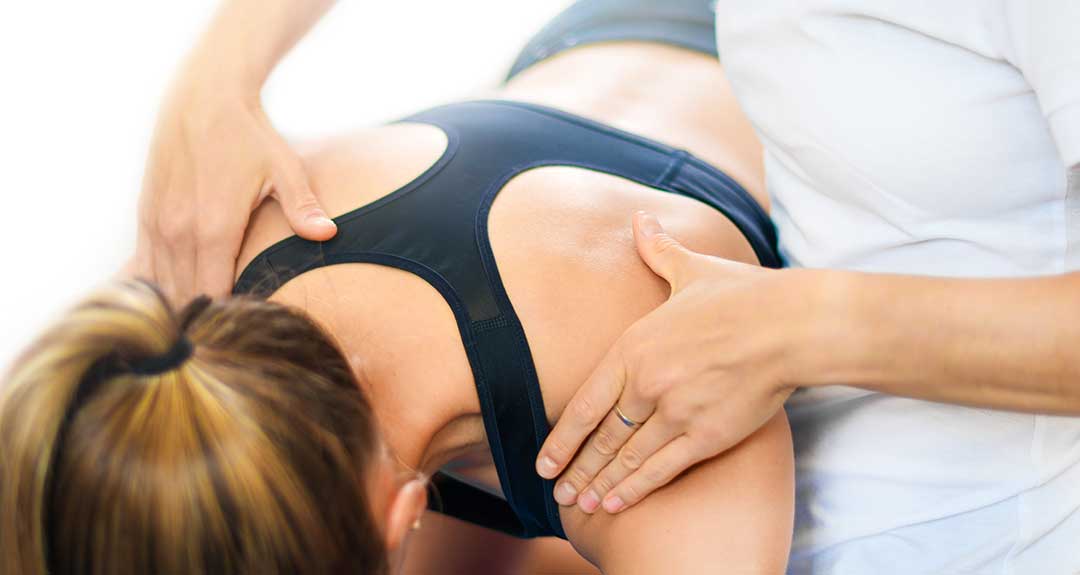
Certain symptoms should not be treated as routine muscle or joint discomfort. Prompt medical evaluation is warranted for problems such as:
- New loss of bladder or bowel control
- Numbness in the groin or inner thighs
- Progressive weakness in an arm or leg
- Severe pain after a significant fall, crash, or direct blow
- Fever with severe back or neck pain
- Unexplained weight loss with persistent pain
- New severe headache, fainting, confusion, or vision changes
- Chest pain, shortness of breath, or sudden neurological symptoms
- Pain in someone with a history of cancer, serious infection, or major immune suppression
These warning signs do not automatically indicate a particular diagnosis, but they may require urgent medical assessment rather than a routine musculoskeletal visit. Sudden facial drooping, speech difficulty, one-sided weakness, or severe balance problems should be treated as an emergency.
What questions are worth asking?
Preparing questions can make the appointment more productive. Consider asking:
- What might be contributing to these symptoms?
- Are there activities that should be limited temporarily?
- What changes would mean the problem needs further medical evaluation?
- What are the possible benefits and risks of the proposed treatment?
- Are there alternatives to hands-on care?
- How will progress be measured?
- What should be done if symptoms become worse after treatment?
Patients can also ask how much discomfort is expected and whether they may stop a technique at any time. Clear communication is part of safe care.
What should be monitored afterward?
After the visit, pay attention to how symptoms respond during the next day or two. Mild, short-lived soreness can occur after physical treatment, but worsening pain, new weakness, increasing numbness, or other unusual symptoms should be reported promptly and medically assessed when appropriate.
Keep a simple record of changes in movement, sleep, walking, work tolerance, and daily comfort. Practical improvements often matter more than a single pain score. For local residents managing seasonal yard work, snow-related tasks, commuting, or long periods indoors during cold weather, noting which activities are easier or harder can provide useful information at follow-up visits.
Preparation does not require special equipment or complicated routines. Accurate symptom details, a complete health history, comfortable clothing, and willingness to ask questions are usually the most valuable steps.
