
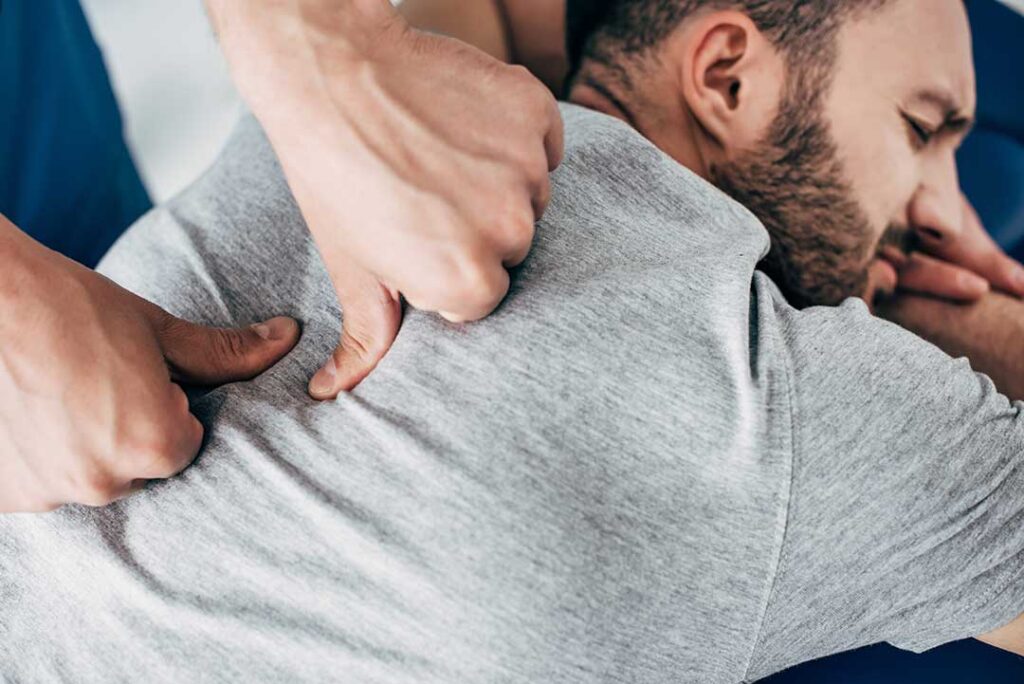
What role can chiropractic care play in sports injury recovery?
Chiropractic care may help some people manage sports-related pain, restore movement, and return gradually to normal activity. It is generally most useful as part of a broader recovery plan that may include rest, therapeutic exercise, mobility work, medical evaluation, and changes to training habits.
Sports injuries affect more than the area that hurts. A strained calf can change the way someone walks. An ankle sprain may place extra stress on the knee, hip, or lower back. A shoulder problem can alter neck and upper-back movement. Chiropractic assessment focuses on these movement relationships while also considering the injury’s severity and the person’s activity goals.
Treatment should not be based only on the idea that a joint is “out of place.” A careful evaluation considers the injury mechanism, swelling, strength, balance, range of motion, nerve symptoms, previous injuries, and the demands of the sport.
Which sports injuries may respond to chiropractic treatment?
Chiropractic care may be considered for uncomplicated muscle, joint, and movement-related problems, particularly after serious injury has been ruled out. Examples can include:
- Mild low-back pain after lifting, running, or twisting
- Neck and upper-back stiffness after contact or repetitive activity
- Minor ankle, knee, or hip movement restrictions
- Muscle tightness involving the hamstrings, calves, shoulders, or hips
- Overuse-related discomfort that develops gradually
- Reduced mobility during a return-to-sport program
The approach depends on the diagnosis. A person with mild back stiffness may receive gentle mobilization and exercise guidance. Someone recovering from an ankle sprain may need work on balance, calf strength, foot control, and the movement of nearby joints.
Chiropractic care is not a substitute for evaluation of a torn ligament, broken bone, major tendon injury, dislocation, infection, or significant nerve compression.
How might treatment help movement and function?
The main goal is usually improved function rather than simply making pain disappear. Restricted movement, protective muscle tension, and weakness can create a cycle in which an athlete moves differently to avoid discomfort. That altered pattern may place additional stress on another body region.
A chiropractic examination may identify:
- Limited joint motion
- Differences in flexibility between sides
- Poor control during squatting, landing, or stepping
- Muscle guarding after an injury
- Weakness or endurance problems
- Movement habits that increase strain during a specific activity
Manual therapy may be used to reduce stiffness or make movement more comfortable. Techniques can include joint mobilization, soft-tissue work, stretching, and, when appropriate, spinal manipulation. These methods are not suitable for every person or every injury, and forceful treatment should not be applied to an area with suspected fracture, instability, severe inflammation, or unexplained neurological symptoms.
Exercise is usually the more lasting part of recovery. Strengthening and coordination work help the body tolerate the demands that caused the problem in the first place.
Why are exercises and rehabilitation important?
Passive treatment alone rarely prepares someone to return safely to sports. A runner needs adequate calf and hip strength. A recreational basketball player needs control during cutting and landing. A swimmer may need shoulder endurance and upper-back mobility. A person who plays seasonal sports may need to rebuild capacity after months of lower activity.
A rehabilitation plan may progress through several stages:
1. Reduce activities that sharply increase pain or swelling.
2. Restore comfortable range of motion.
3. Rebuild basic strength and balance.
4. Add sport-specific movements at lower intensity.
5. Increase speed, resistance, duration, or impact gradually.
6. Resume full participation only when strength and control are adequate.
Pain is useful information during this process. Mild muscle soreness after exercise can be expected, but increasing swelling, sharp pain, limping, joint instability, or symptoms that remain worse the next day suggest that the activity level may be too high.
Can chiropractic care help prevent another sports injury?
It may help identify modifiable risk factors, but no treatment can guarantee injury prevention. Recurring injuries are often connected to training errors, inadequate recovery, poor technique, sudden increases in workload, weakness, limited mobility, or returning to activity too quickly.
For residents in Lynbrook, seasonal activity patterns may matter. People often become more active in spring and summer, while others return to indoor exercise or organized sports in the fall. A sudden shift from limited winter activity to frequent running, field sports, cycling, or recreational competition can overload tissues before they have adapted.
Practical prevention measures include:
- Increasing exercise volume gradually
- Warming up with dynamic movement
- Maintaining strength during inactive periods
- Using appropriate footwear for the activity
- Practicing balance and landing mechanics
- Taking rest days
- Addressing recurring pain before it changes movement
- Replacing worn equipment when it no longer provides proper support

A movement assessment can be useful, but prevention also depends on sleep, nutrition, hydration, conditioning, and sensible training decisions.
What should happen after an acute injury?
The first priority is determining whether the injury might be serious. Immediate medical evaluation is appropriate for severe pain, visible deformity, inability to bear weight, rapidly increasing swelling, loss of sensation, unusual weakness, a suspected fracture, a joint that has dislocated, or a head injury with confusion, repeated vomiting, worsening headache, or loss of consciousness.
A neck injury after contact or a fall deserves particular caution. New numbness, tingling, weakness, difficulty walking, loss of coordination, or changes in bladder or bowel control require prompt medical attention rather than routine manual treatment.
For a minor injury, early care may involve relative rest, comfortable movement, cold therapy for short periods, and avoiding activities that clearly worsen symptoms. Prolonged complete inactivity can create stiffness and deconditioning, so gradual movement is often introduced as tolerated.
Is chiropractic care appropriate for children and teenagers in sports?
Young athletes require special consideration because their bones, growth plates, training loads, and recovery needs differ from those of adults. A child or teenager with persistent pain, repeated injuries, swelling, limping, or reduced performance should be evaluated carefully rather than encouraged to play through symptoms.
Treatment should be age-appropriate, gentle, and coordinated with the athlete’s parent or guardian when necessary. The objective should be safe function and continued development, not simply rapid return to competition.
What questions should an athlete ask before treatment?
A useful discussion should clarify:
- What is the likely source of the symptoms?
- What findings suggest a more serious injury?
- Which activities should be modified?
- What exercises are appropriate now?
- How will progress be measured?
- What symptoms mean treatment should stop?
- Is another type of evaluation or rehabilitation needed?
The most responsible approach is individualized. Chiropractic care may support recovery from certain sports injuries, especially when combined with progressive exercise and appropriate activity modification. It should complement—not replace—medical assessment when the injury is severe, unusual, or failing to improve.
