
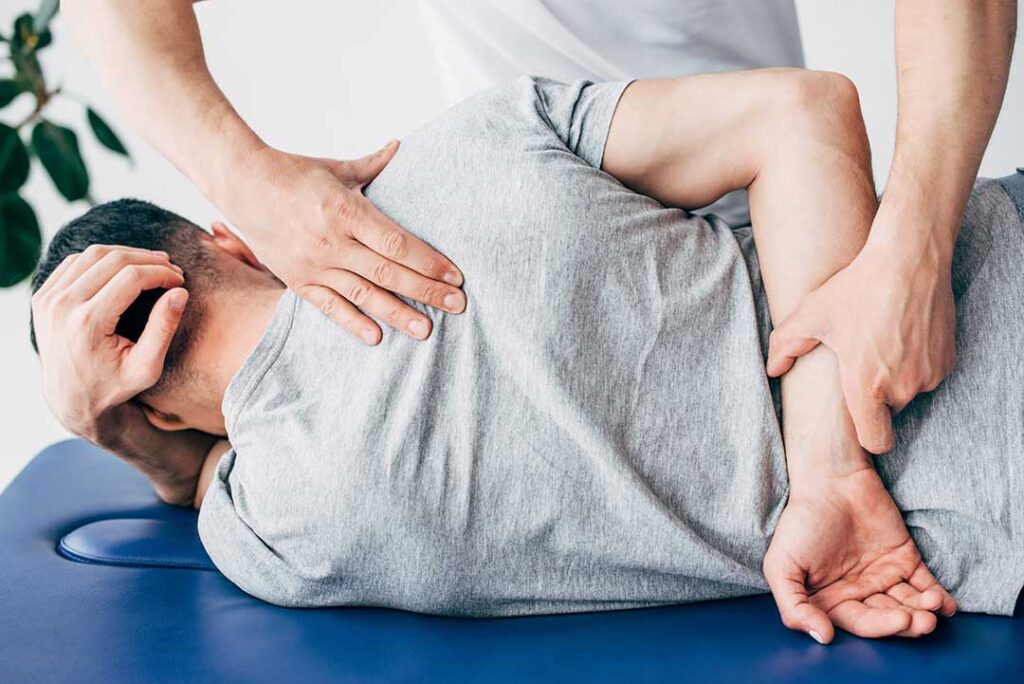
Why can commuting cause back, neck, or shoulder pain?
A commute can become painful when the body stays in one position for too long, especially with poor seat support, repeated twisting, or frequent braking and acceleration. The discomfort may develop gradually rather than from one obvious injury.
For residents of Lynbrook, commuting may involve driving, walking to transportation, riding as a passenger, or combining several travel methods. Each pattern creates different physical demands. Driving often limits movement through the hips and spine, while walking and standing can increase strain when footwear, bags, or posture are not well managed.
Common contributing factors include:
- Sitting with the pelvis tucked under and the lower back rounded
- Holding the head forward to look at traffic or a screen
- Keeping a wallet, phone, or other object in a back pocket
- Reaching too far for the steering wheel
- Carrying a heavy bag on one shoulder
- Remaining seated for a long time after already spending the day at a desk
- Entering and exiting a vehicle repeatedly with a stiff back or limited space
Pain does not always mean serious damage, but recurring symptoms deserve attention, particularly when they interfere with sleep, walking, work, or normal daily activities.
How should a car seat be adjusted?
The seat should allow the driver to reach the pedals and steering wheel without stretching, hunching, or locking the knees. A few small adjustments can reduce strain substantially.
Start with the seat position:
- Keep enough distance from the pedals so the knees remain slightly bent when the pedals are fully depressed.
- Position the seatback so the torso is supported without reclining excessively.
- Adjust the head restraint so its center is near the back of the head, not the neck.
- Keep the steering wheel close enough that the elbows remain gently bent.
- Avoid pulling the shoulders forward to maintain control of the wheel.
- Use lumbar support if available, or place a small rolled towel at the lower back if the seat feels flat.
The mirrors should be adjusted after the body is positioned correctly. If the mirrors require leaning or rotating the torso to see properly, they may encourage poor posture throughout the ride.
A common misconception is that a very upright, rigid position is always healthiest. In practice, a relaxed position with full back support is usually more sustainable than holding the spine stiffly for the entire trip.
How can a driver reduce pain during stop-and-go traffic?
Frequent traffic changes can create repeated tension in the neck, shoulders, wrists, and lower back. The goal is not to exercise while driving, but to avoid unnecessary gripping and bracing.
Keep both hands in a comfortable position on the steering wheel and check whether the shoulders are creeping upward. Every few minutes, allow the hands and jaw to relax while maintaining full control of the vehicle. Avoid leaning toward the wheel during slow traffic, even if visibility feels easier from that position.
Drivers should also:
- Keep the phone out of the hand and away from the line of sight.
- Avoid twisting to reach items on the passenger seat or floor.
- Use a bag or container so loose objects do not roll into difficult-to-reach areas.
- Enter and exit by turning the whole body rather than twisting sharply through the waist.
- Take a brief walking break after longer trips whenever it is safe and practical.
Cold weather can make muscles feel tighter, especially after a car has been parked outside. Allowing a short warm-up period, wearing comfortable layers, and moving gently before carrying bags or clearing snow may help reduce sudden stiffness. Forceful stretching immediately after waking or after sitting in a cold vehicle can sometimes aggravate symptoms.
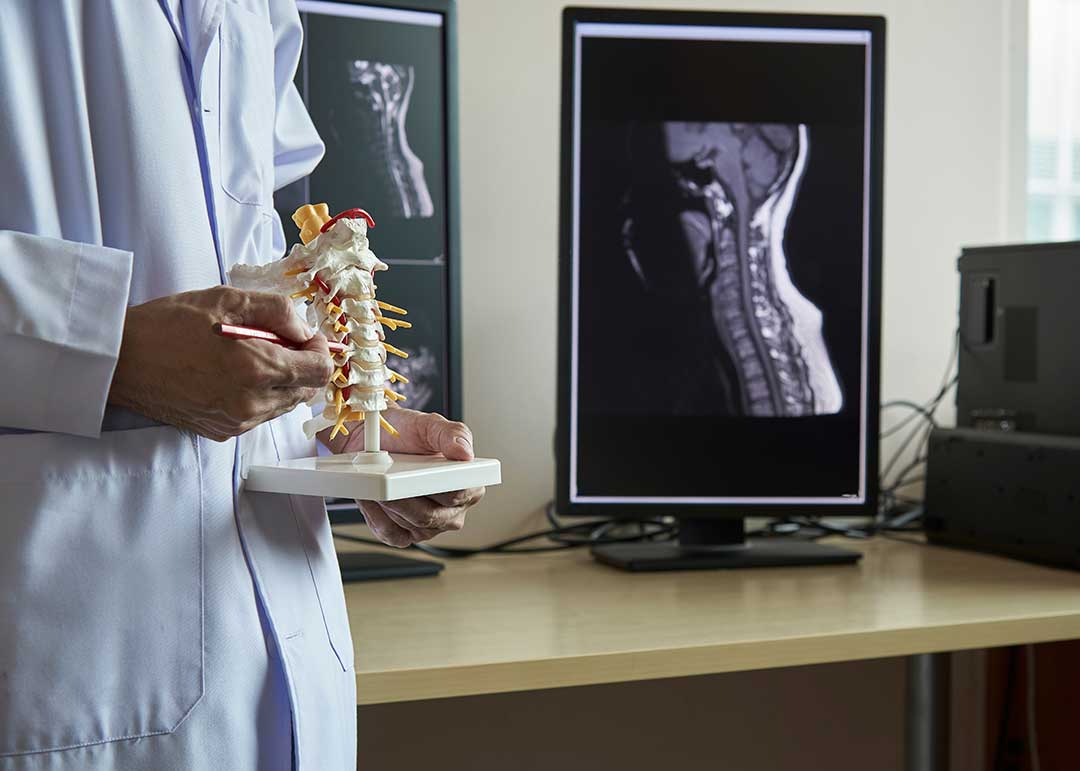
What helps people who commute by train or on foot?
A pain-free commute is not only a driving issue. Standing on a moving platform, walking on uneven surfaces, and carrying a bag can place stress on the feet, hips, knees, and spine.
A backpack with two usable shoulder straps generally distributes weight more evenly than a bag carried on one side. Keep the load as light as possible and place heavier items close to the back. If a shoulder bag is necessary, switch sides periodically rather than allowing one shoulder to remain elevated for the entire trip.
While standing, avoid locking the knees or leaning into one hip. Use a stable stance with the feet comfortably apart. If holding a rail, change hand position occasionally to prevent one shoulder and side of the neck from doing all the work.
Walking to and from transportation can be beneficial, but sudden increases in distance may cause soreness. During colder months, icy or wet surfaces can also change walking mechanics. Shorter steps, slower turns, and shoes with reliable traction reduce the chance of slipping and the twisting injuries that can follow.
Should stretching be done before or after a commute?
Gentle movement is often more useful than aggressive stretching. Before leaving, try a few slow shoulder rolls, ankle movements, easy trunk rotations, or short walks around the home. These actions prepare the body without forcing stiff joints into extreme positions.
After arriving, walk for a few minutes before sitting again if the schedule allows. Gentle stretches for the hip flexors, calves, chest, and upper back may be comfortable, but a stretch should not create sharp pain, tingling, or numbness.
A commute should not be treated as a substitute for regular strengthening. Exercises that build endurance in the hips, trunk, upper back, and legs can make prolonged sitting and walking easier to tolerate. Because individual needs vary, exercises should be modified when there is an existing injury, recent surgery, or diagnosed condition.
What should someone do if pain continues?
Pain that improves after changing posture or moving gently may reflect ordinary strain, but ongoing or worsening symptoms should not be ignored. Keep track of when the pain occurs, where it is located, and whether it spreads into an arm or leg.
Prompt medical evaluation is appropriate for symptoms such as:
- New weakness in an arm or leg
- Numbness that is persistent or spreading
- Loss of bladder or bowel control
- Severe pain after a crash, fall, or other impact
- Fever, unexplained weight loss, or unusual illness with back pain
- Pain that is severe at night or steadily worsening
For less urgent but recurring discomfort, a qualified healthcare professional can help determine whether the main issue is posture, muscle endurance, joint irritation, nerve involvement, or another condition. The most useful evaluation is one that considers the entire routine, including the commute, work setup, sleep position, footwear, and daily activity.
How can a commute stay comfortable over time?
The most effective approach is usually consistent rather than dramatic: adjust the seat, reduce unnecessary reaching, vary positions, carry less weight, and add brief movement before and after travel. These habits are especially useful during winter, when cold temperatures, heavier clothing, slippery surfaces, and reduced outdoor activity can make stiffness more noticeable.
A comfortable commute should leave the body feeling prepared for the day rather than increasingly compressed or tense. Small changes made every day are easier to maintain than occasional, intensive corrections after pain has already become severe.
