
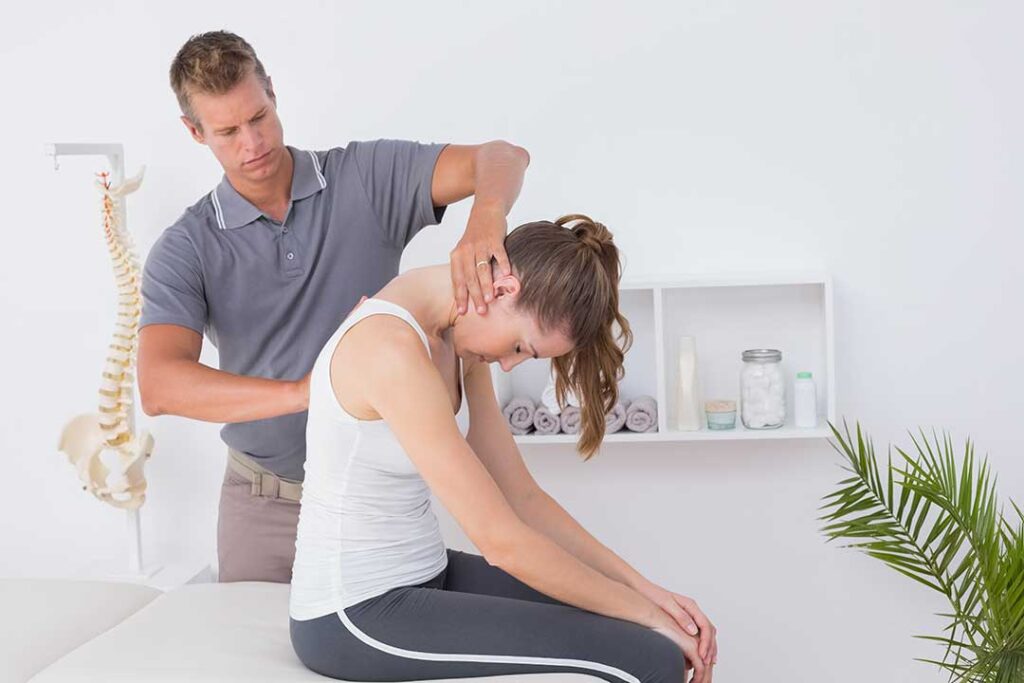
Travel can place unusual stress on the lower back, especially during long periods of sitting, lifting, reaching, or sleeping in unfamiliar positions. Residents of Lynbrook, NY may encounter these problems during car trips, train rides, air travel, or busy holiday journeys. The good news is that a few practical habits can reduce stiffness and lower the risk of a painful flare-up.
Why does travel often trigger lower back pain?
Travel-related back pain usually comes from a combination of prolonged sitting, limited movement, awkward posture, and sudden physical effort. A person may feel fine at the start of a trip but develop aching or tightness after several hours.
Common contributors include:
- Sitting with the hips lower than the knees
- Remaining in one position for too long
- Reaching across a seat to retrieve bags
- Lifting luggage while twisting
- Sleeping on an unfamiliar mattress
- Wearing unsupportive footwear while walking through terminals or stations
- Carrying a heavy bag on one side of the body
The lower back is also affected by stress and fatigue. Tense muscles may remain partially contracted for hours, particularly during traffic delays, crowded travel, or disrupted sleep.
How should you sit during a long car trip?
A supportive driving position can reduce strain before discomfort begins. Move the seat close enough that the knees remain slightly bent while the pedals are reached without stretching. The backrest should support the natural curve of the spine rather than leaving the driver leaning forward.
Helpful adjustments include:
- Keep both feet supported when not using the pedals.
- Position the steering wheel so the shoulders stay relaxed.
- Avoid reclining so far that the head must tilt forward.
- Place a small rolled towel or lumbar cushion at the beltline if the seat feels flat.
- Keep the wallet, phone, and other objects out of the back pocket while sitting.
- Change position slightly rather than holding a rigid posture.
During extended trips, stop about every 60 to 90 minutes when practical. Walk for several minutes, gently move the hips, and allow the back muscles to change position. A brief movement break is generally more useful than remaining seated and trying to “sit perfectly” for hours.
Passengers should also avoid twisting toward the back seat. Turn the entire body when reaching for an item, and ask another passenger to handle heavy or awkward objects when possible.
What is the safest way to lift and carry luggage?
Luggage is more likely to cause injury when it is lifted quickly, held away from the body, or combined with twisting. Before lifting, stand close to the bag and check its weight by nudging or tilting it. If it feels too heavy, divide the load or ask for assistance when safety requires it.
Use these steps:
1. Face the luggage directly.
2. Bend at the hips and knees while keeping the back reasonably neutral.
3. Hold the bag close to the body.
4. Stand using the legs instead of pulling upward with the lower back.
5. Turn with the feet rather than twisting the torso.
6. Set the bag down under control.
Rolling luggage can still strain the back if it is overfilled or pulled at an angle. Use a handle length that allows the arm to remain near the side, and switch hands periodically. A backpack distributes weight more evenly than a single-shoulder bag, but it should be adjusted so the load rests close to the body.
How often should a traveler move?
A practical goal is to avoid being still for more than about an hour at a time, although the exact interval depends on the person and the type of travel. Movement does not need to be strenuous. Standing, walking a short distance, or gently straightening the hips can interrupt the cycle of stiffness.
Simple movements during a break may include:
- Walking at an easy pace
- Rolling the shoulders
- Gently extending the hips while standing
- Moving the ankles and calves
- Taking several slow breaths while relaxing the abdominal and back muscles
Stretching should feel mild, not forceful. Bouncing, forcing a range of motion, or repeatedly bending into pain can aggravate an already irritated area.
For train or air travel, stand when permitted and walk briefly through the cabin or station area. If movement is restricted, change the position of the legs, shift the pelvis slightly, and perform gentle ankle movements from the seat.
What should travelers know about air travel?
Air travel combines prolonged sitting with narrow spaces and heavy luggage. Before boarding, avoid carrying a bag on one shoulder for long periods. Use both hands to lift a suitcase into an overhead compartment, and do not twist while placing it above shoulder height. If the bag is too heavy to manage smoothly, assistance may be necessary to prevent an avoidable injury.
In the seat, keep both feet supported when possible. A small cushion or folded clothing item may provide temporary support behind the lower back. Avoid sitting on a thick wallet, phone, or other object that tilts the pelvis to one side.
Travelers with a history of back pain should consider loose, comfortable clothing and shoes that allow steady walking. Dehydration, poor sleep, and rushing between connections may increase muscle tension and make discomfort feel worse, even though they are not usually the sole cause of back pain.
Can a hotel bed cause back pain?
A different mattress can expose an existing sensitivity but does not automatically mean the mattress is harmful. The first night may feel uncomfortable because the body is adapting to a new level of firmness, pillow height, or sleeping position.
Side sleepers may benefit from placing a pillow between the knees. Back sleepers can try a pillow under the knees to reduce pulling in the lower back. Stomach sleeping often increases rotation or extension through the spine, especially with a high pillow, so another position may be more comfortable.
When getting out of bed, roll onto one side, lower the legs, and push up with the arms instead of sitting straight up with force through the abdomen and back.
Should someone stretch before traveling?
Gentle movement before a trip can help the body feel prepared, but intense stretching is not required. A brief walk, several controlled sit-to-stand movements, or easy hip and ankle movements may be sufficient.
Travelers should not use stretching to push through sharp pain, numbness, or a feeling of weakness. The goal is to prepare the body for sitting and lifting, not to create soreness before the journey begins.
When is travel-related back pain a medical concern?
Most travel-related stiffness improves with normal movement and rest, but certain symptoms require prompt medical attention. Seek urgent evaluation for back pain accompanied by new loss of bladder or bowel control, numbness in the groin area, severe or progressive leg weakness, or major trauma.
Medical advice is also appropriate when pain travels below the knee, causes persistent numbness or tingling, is accompanied by fever or unexplained weight loss, or does not improve after returning to normal activity. People with osteoporosis, a history of cancer, significant immune suppression, or recent surgery may need individualized guidance sooner.
For most travelers, prevention depends less on a single perfect posture and more on reducing long periods of immobility, lifting carefully, distributing loads, and responding early to stiffness. These habits are especially useful during seasonal trips, traffic-heavy weekends, and journeys that involve repeated transfers between cars, stations, terminals, and temporary sleeping spaces.
