
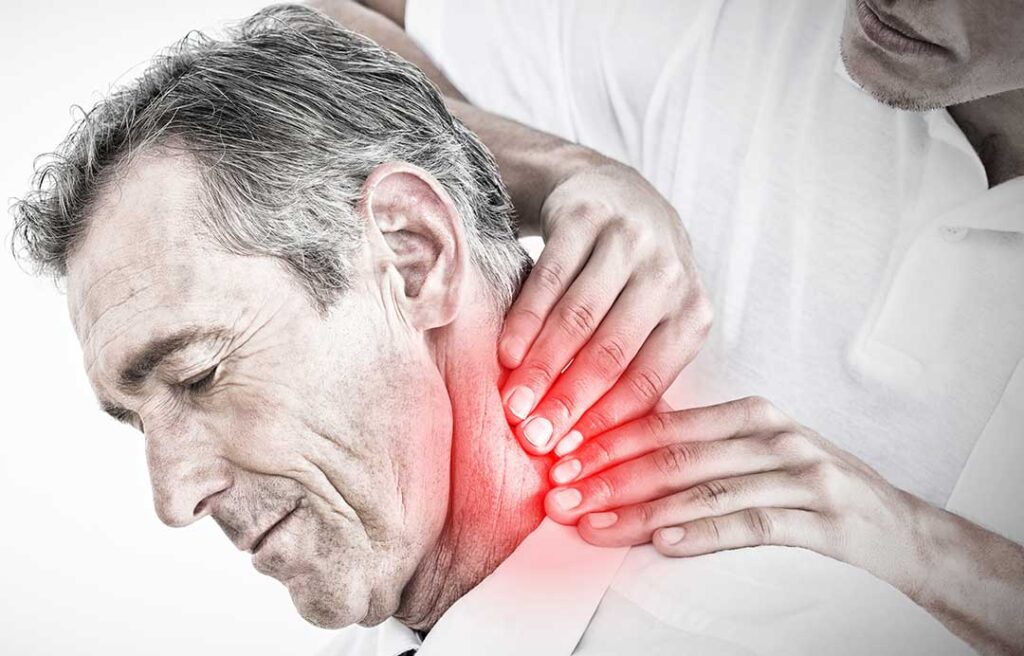
Sports injuries can affect more than the body part that hurts. A strained muscle may change walking mechanics, a sore ankle may alter balance, and limited hip or shoulder movement can place extra stress on the spine and nearby joints. Chiropractic care may support recovery by addressing movement, joint function, muscle tension, and gradual return to activity.
For residents of Lynbrook, NY, this may be relevant during school sports seasons, recreational leagues, running, cycling, gym workouts, and outdoor activities that change with the weather. Chiropractic care is not appropriate for every injury, but it can be one part of a broader recovery plan when the problem involves the muscles, joints, or movement system.
What sports injuries can chiropractic care help with?
Chiropractic care is most commonly considered for musculoskeletal injuries that do not require emergency treatment or surgery. These may include back pain, neck stiffness, joint irritation, muscle strains, and movement problems that develop after an injury.
Examples may include:
- Low-back pain after lifting, twisting, jumping, or contact
- Neck and upper-back stiffness after a collision or fall
- Shoulder discomfort related to throwing, swimming, or weight training
- Hip or pelvic movement problems that affect running or squatting
- Knee pain associated with altered mechanics or overuse
- Ankle stiffness after a sprain has been medically assessed
- Muscle tightness and reduced range of motion after activity
The goal is not simply to “put something back in place.” A careful evaluation looks at how the injured area moves, how nearby joints function, whether strength is balanced, and whether the activity that caused the injury can be performed safely.
How does chiropractic treatment support recovery?
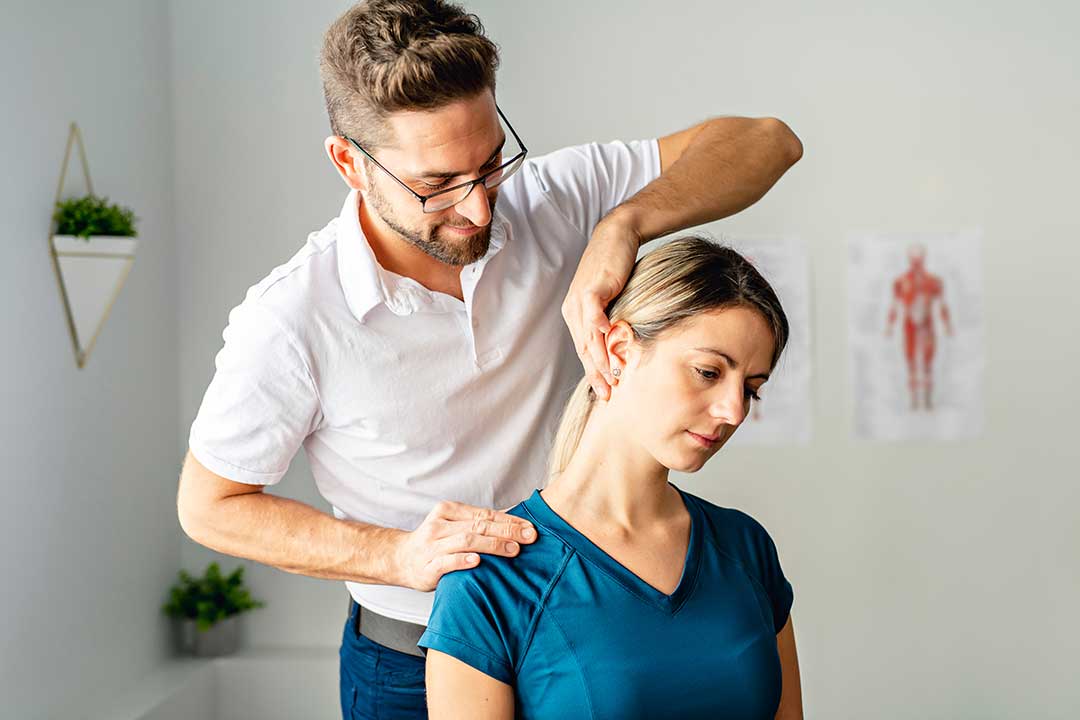
Chiropractic care may help improve mobility, reduce mechanical stress, and make normal movement easier. Treatment can include hands-on joint mobilization, spinal manipulation when appropriate, soft-tissue techniques, stretching, strengthening exercises, balance work, and advice about modifying activity.
For example, an athlete with ankle stiffness after a sprain may compensate by turning the foot outward. That change can affect the calf, knee, hip, and lower back. Restoring comfortable ankle movement and rebuilding balance may help reduce the need for those compensations.
Similarly, a person with back pain after returning too quickly to weight training may need more than treatment to the painful area. Hip mobility, trunk strength, lifting technique, training volume, and recovery time may all be relevant.
The most useful care is usually active rather than passive. Hands-on treatment may provide short-term relief or improve movement, but exercises and gradual loading help the body tolerate the demands of sport again.
Can chiropractic care reduce pain after an injury?
It may reduce pain for some musculoskeletal conditions, particularly when pain is linked to restricted movement, joint irritation, or muscle guarding. Results vary depending on the type of injury, how long symptoms have been present, sleep, training demands, previous injuries, and general health.
Pain relief does not necessarily mean that the injury has healed. A person may feel better before strength, coordination, or tissue tolerance have fully returned. Resuming full-speed play based only on reduced pain can increase the risk of aggravation.
A sound recovery plan considers both symptoms and function. Useful questions include:
- Can the joint move through the range required for the sport?
- Is strength similar on both sides?
- Can the person jog, cut, jump, or lift without compensation?
- Does soreness remain elevated later that day or the next morning?
- Can the activity be performed without fear, instability, or loss of control?
What role do exercises play?
Exercise is central to sports-injury recovery. Depending on the injury, a plan may include controlled range-of-motion work, isometric exercises, resistance training, balance drills, core exercises, or sport-specific movements.
Progression should be gradual. A typical sequence might move from basic movement to light resistance, then to faster or more complex activity. Someone recovering from an ankle injury may progress from standing balance to single-leg strength, jogging, directional changes, and eventually sport practice.
The right level of challenge is usually enough to stimulate recovery without creating a major increase in pain or swelling. Mild, temporary soreness can occur, but worsening symptoms, new weakness, increasing swelling, or loss of function should not be ignored.
Is chiropractic care appropriate immediately after an injury?
Not always. The first priority after a significant injury is determining what happened and whether imaging, urgent medical treatment, or specialist care is needed. A forceful treatment is not appropriate when there may be a fracture, dislocation, major ligament tear, severe nerve involvement, or internal injury.
Prompt medical evaluation is warranted for symptoms such as:
- Inability to bear weight or use the affected limb
- Visible deformity
- Rapidly increasing swelling or bruising
- Numbness, progressive weakness, or loss of coordination
- Severe pain after a collision or fall
- Chest pain, shortness of breath, or abdominal pain
- Loss of bladder or bowel control
- Severe headache, repeated vomiting, confusion, fainting, or unusual drowsiness
These warning signs require medical assessment rather than routine musculoskeletal treatment.
What about concussions and head injuries?
Chiropractic treatment should not be used as a substitute for concussion assessment. A suspected concussion requires removal from play and evaluation by a qualified healthcare provider. Athletes should not return to sports on the same day if a concussion is suspected.
Return to activity should be gradual and symptom-guided. Each stage generally needs at least 24 hours, and the athlete should move forward only if symptoms do not return or worsen. Neck pain or stiffness may occur with a concussion, but treating the neck does not clear an athlete to resume contact, competition, or high-risk activity.
Emergency care is especially important after a head injury involving worsening headache, repeated vomiting, seizure, weakness, slurred speech, increasing confusion, or difficulty staying awake.
How can athletes in Lynbrook reduce the chance of reinjury?
Seasonal changes can influence training habits. Colder months may encourage indoor workouts with less warm-up, while warmer weather can lead to sudden increases in running, cycling, or outdoor practices. After periods of reduced activity, returning at full intensity is a common source of preventable strain.
Helpful habits include:
- Increase training time and intensity gradually
- Warm up with movements related to the upcoming activity
- Maintain strength on both sides of the body
- Replace worn footwear and use sport-appropriate equipment
- Build rest days into demanding training schedules
- Pay attention to persistent soreness rather than masking it
- Resume competition only after movement and strength have substantially returned
Chiropractic care may be useful within this larger process, especially when recovery involves joint stiffness, muscle tension, altered mechanics, or difficulty progressing exercises. The purpose is to help restore safe function—not to encourage an early return before the body is ready.
What should someone expect from an evaluation?
An evaluation should include a discussion of how the injury occurred, current symptoms, previous injuries, training demands, and any medical conditions that affect treatment. Movement, strength, reflexes, balance, and joint function may also be assessed.
A responsible plan should explain what can reasonably be treated, what activities should be limited, and which symptoms require another type of medical evaluation. Coordination with a physician, physical therapist, athletic trainer, or other healthcare provider may be appropriate when the injury is complex or recovery is not progressing.
The most reliable sign of improvement is not simply feeling better on the treatment table. It is the ability to move, train, and perform sport-specific tasks with steadily improving control and without a lasting increase in symptoms.
