
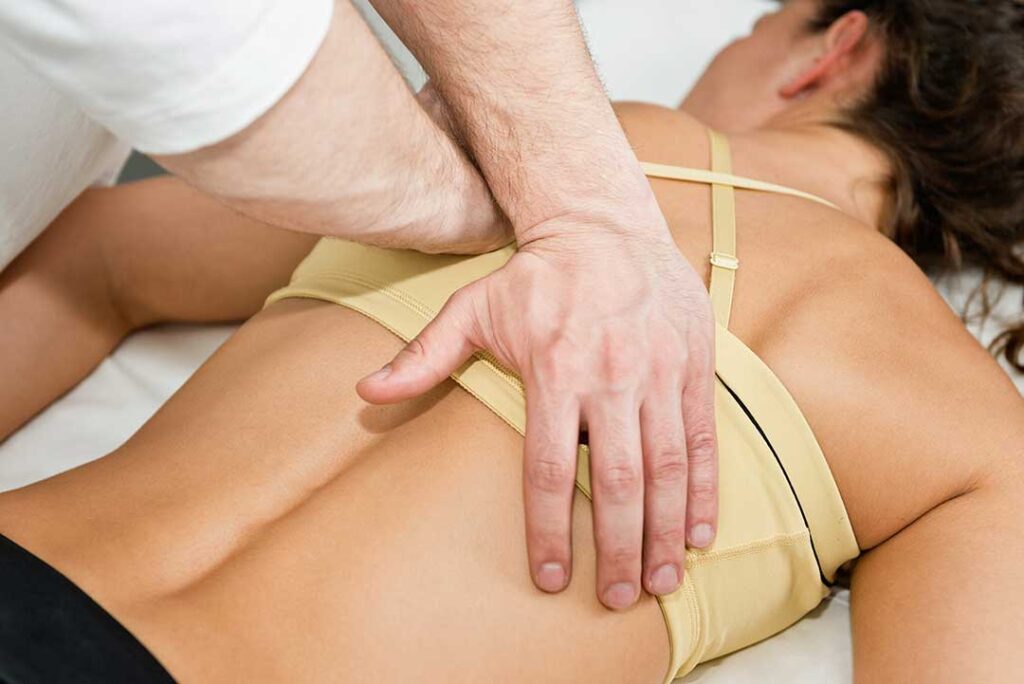
What does the “core” include?
Core strength refers to the coordinated function of muscles around the abdomen, pelvis, hips, and spine. These muscles include the abdominal wall, diaphragm, pelvic floor, back muscles, and deeper muscles that help control movement between the rib cage and pelvis.
The core is not simply the “six-pack” muscles. A person can have visible abdominal muscles yet still have poor trunk control, limited endurance, or difficulty maintaining a comfortable position during daily activities. Spinal support depends on timing, coordination, strength, flexibility, and the ability to adjust to movement.
For residents of Lynbrook, NY, core function can affect ordinary tasks such as carrying groceries, lifting laundry, climbing stairs, shoveling after winter weather, gardening, or spending long periods sitting during work or commuting.
How does core strength support the spine?
A well-functioning core helps distribute forces through the trunk and pelvis rather than allowing the lower back to absorb too much stress. It also helps the body control bending, twisting, reaching, walking, and lifting.
Core muscles support spinal health in several ways:
- They improve movement control. The trunk can remain steady while the arms and legs move.
- They support posture endurance. Muscles can help maintain a comfortable position without excessive fatigue.
- They assist with lifting and carrying. Coordinated abdominal, hip, and back muscles help transfer force through the body.
- They improve balance. Trunk control is especially useful when walking on uneven surfaces, stepping off curbs, or navigating wet or icy conditions.
- They help the body tolerate everyday loading. The spine is designed to move and bear normal amounts of force, but gradual conditioning can make those demands easier to manage.
Core strength does not make the spine rigid, and constant abdominal bracing is not necessary. Healthy spinal movement includes bending, rotating, relaxing, and adjusting to different tasks.
Can weak core muscles cause back pain?
Weak or poorly coordinated core muscles may contribute to back discomfort, but they are not the only possible cause. Back pain can also involve joints, discs, muscles, nerves, sleep, stress, sudden changes in activity, prolonged inactivity, or an injury.
It is also possible to have back pain without measurable weakness. Some people develop pain because certain muscles fatigue quickly, while others overuse the back muscles or avoid movement after an earlier injury. For that reason, “strengthen the core” is not a complete explanation for every back problem.
Research generally supports exercise as part of managing many types of persistent low back pain. However, core-specific exercises are not consistently better than other appropriate forms of exercise. Walking, general strengthening, mobility work, balance training, and activities that gradually restore confidence may be equally useful depending on the individual.
The practical goal is not to build maximum abdominal strength. It is to improve the ability to control movement and perform daily tasks with less strain and fear.
Which exercises can improve core function?
The most useful starting exercises are usually controlled, low-load movements that can be performed without increasing symptoms. Examples include:
Abdominal breathing and gentle bracing
Lie on the back with the knees bent or sit comfortably. Breathe slowly while allowing the ribs and abdomen to move. During an exhale, gently tighten the lower abdominal muscles without holding the breath or pulling the stomach forcefully inward.
This teaches coordination between breathing and trunk control. The effort should remain moderate and relaxed.
Bridge
With the knees bent and feet supported, tighten the abdomen gently and lift the hips only as high as comfortable. Pause briefly, then lower slowly.
Bridges train the buttocks, hips, and trunk together. They may be useful for people who spend much of the day sitting, but the movement should not create sharp back pain or cramping.
Bird dog
From a hands-and-knees position, slowly extend one leg or one arm while keeping the trunk steady. Progress by extending the opposite arm and leg together if balance and control remain good.
This exercise emphasizes coordination rather than speed or heavy effort.
Side plank modification
Start with the knees bent and support the upper body on one elbow. Lift the hips slightly while maintaining a straight line from the shoulders to the knees.
A wall-supported or standing version can be easier for beginners. The exercise should challenge the side of the trunk without causing shoulder, hip, or back pain.
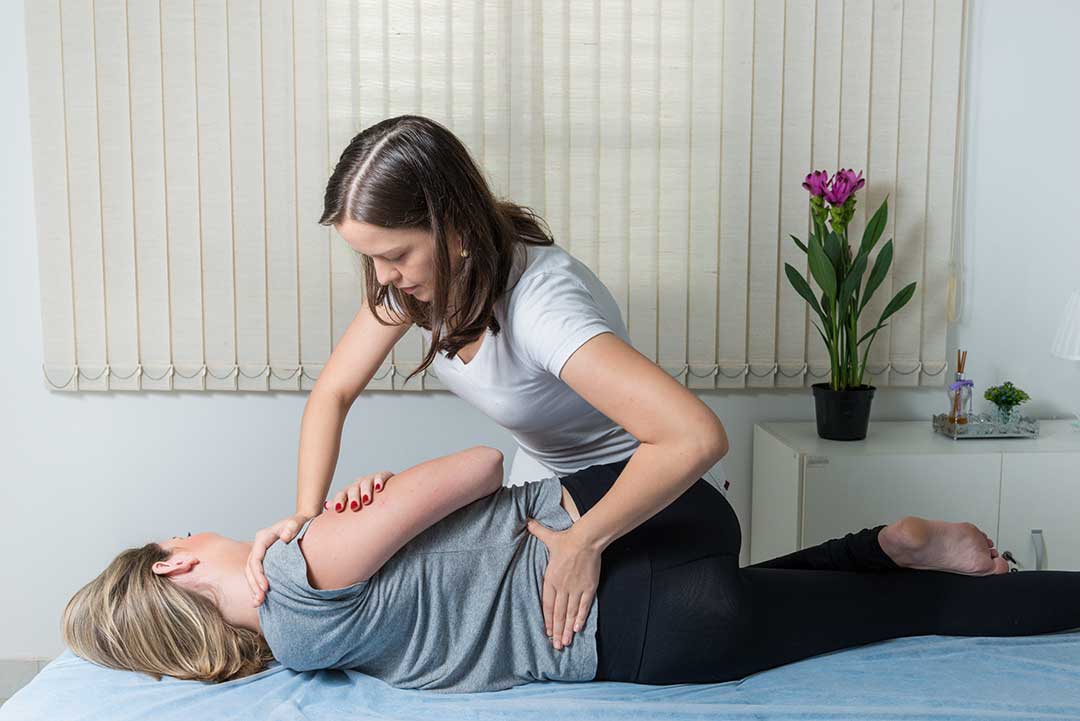
Sit-to-stand
Rise from a sturdy chair and sit back down with control. Keep the feet stable and avoid collapsing through the trunk.
Although often considered a leg exercise, sit-to-stand trains the hips, legs, and core to work together during a common daily movement.
How often should core exercises be performed?
Consistency matters more than completing difficult workouts. Many adults can begin with short sessions two or three times per week, using one or two sets of several controlled exercises. Walking or other comfortable aerobic activity can complement strengthening.
A sensible progression may include:
- Starting with movements that can be completed with steady breathing
- Using slow repetitions rather than rushing
- Increasing repetitions before adding resistance
- Adding more challenging positions only after basic control improves
- Allowing recovery if muscles remain unusually sore
Exercise should not be treated as a test of toughness. Mild muscle fatigue can be expected, but sharp pain, spreading pain, new numbness, or worsening symptoms that do not settle are reasons to stop and reassess.
Does good posture prevent spinal problems?
Good posture is not one fixed position that must be maintained all day. Staying in any position for too long can create fatigue, including sitting upright.
A healthier approach is to change positions regularly, use the backrest when helpful, keep frequently used objects within easy reach, and avoid repeatedly lifting with a rounded or twisted trunk. In a home with stairs, compact rooms, and frequent household tasks, arranging commonly used items between knee and shoulder height can reduce unnecessary reaching and bending.
During desk work, the feet should be supported when possible, the screen should be near eye level, and the shoulders should remain relaxed. Short movement breaks are often more useful than trying to hold a “perfect” posture for hours.
When should back pain be evaluated?
Most mild episodes of back discomfort improve with gradual activity and time, but certain symptoms require prompt medical attention. Seek urgent evaluation for back pain accompanied by new loss of bladder or bowel control, numbness around the groin, significant leg weakness, fever, unexplained weight loss, major trauma, or severe pain that is rapidly worsening.
A health professional should also assess persistent or recurring symptoms that interfere with sleep, walking, work, or ordinary household responsibilities. Exercise selection may need to change for people with osteoporosis, recent surgery, pregnancy-related concerns, a history of significant injury, or symptoms that travel down an arm or leg.
Core training is most useful when it supports the whole body: regular movement, adequate recovery, sensible lifting habits, leg and hip strength, and gradual exposure to normal activities. A strong spine is not an immovable spine; it is a spine supported by coordinated movement and a body prepared for the demands of daily life.
