
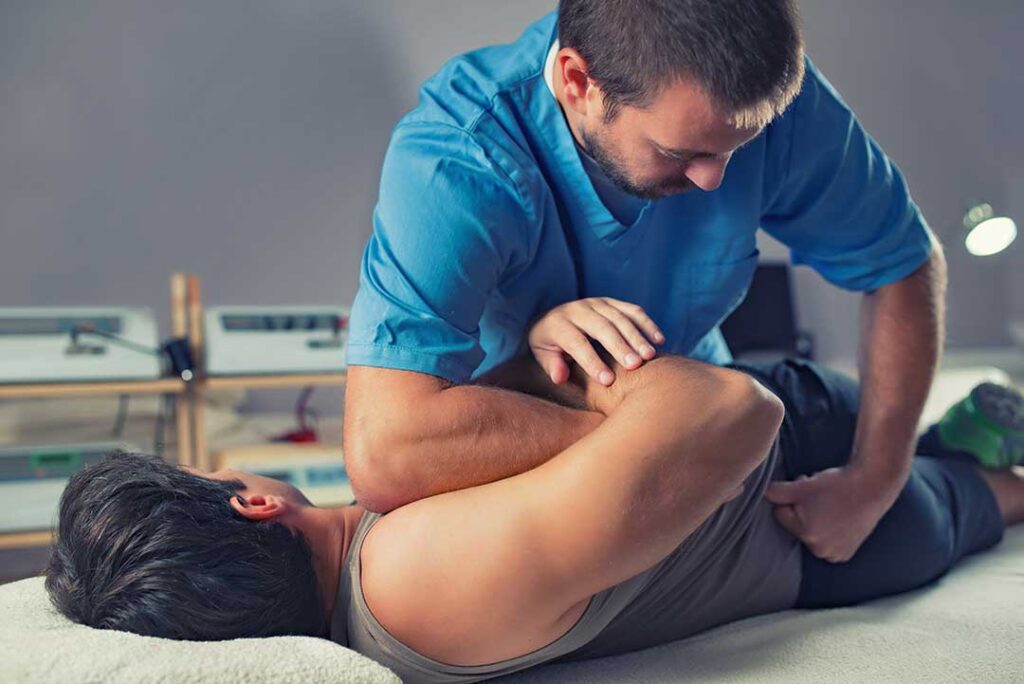
Back strength is not built by training the back alone. The abdominal muscles, hips, glutes, and legs also help support the spine, control movement, and reduce strain during daily activities. For many adults in Lynbrook, NY, a short routine performed consistently can be more useful than occasional intense workouts.
The exercises below are generally appropriate for healthy adults and may help improve strength, mobility, and confidence with movement. They are not a substitute for individualized medical advice, especially after an injury or when symptoms travel into the leg.
Which exercises help support the back?
A balanced routine should train the muscles that stabilize the spine without forcing the back through painful or jerky movements. Begin with five to ten minutes of easy walking, gentle marching in place, or relaxed mobility exercises.
1. Pelvic tilts
Pelvic tilts help a person recognize and control the position of the lower back.
Lie on the back with knees bent and feet flat on the floor. Gently tighten the abdominal muscles and flatten the lower back toward the floor. Hold for about five seconds, then relax and allow the natural curve to return.
Start with 8 to 10 repetitions. The movement should be small and controlled rather than forceful.
2. Glute bridges
Strong glute muscles help the hips do more of the work during lifting, walking, and standing.
Lie on the back with knees bent and feet about hip-width apart. Tighten the abdomen and buttocks, then slowly lift the hips until the body forms a comfortable line from the shoulders toward the knees. Do not arch the back or push into pain. Hold for one to three breaths, lower slowly, and rest.
Begin with 5 to 8 repetitions. Over time, work toward 10 to 15 repetitions if the movement remains comfortable.
3. Bird-dog
The bird-dog exercise trains balance and coordination while encouraging the spine to remain steady.
Start on the hands and knees with the hands below the shoulders and knees below the hips. Tighten the abdomen gently. Slowly extend one leg behind the body. If balance allows, extend the opposite arm forward at the same time. Keep the hips level and avoid twisting. Return to the starting position and switch sides.
Try 5 repetitions per side. A shorter range of motion is preferable to letting the lower back sag or the body rotate.
4. Supported wall squat
Wall squats strengthen the thighs and hips, which can reduce the amount of work demanded from the lower back during standing and lifting.
Stand with the back against a wall and feet slightly forward. Slide down only as far as comfortable, keeping the knees aligned with the feet. Hold for five to ten seconds, then slowly slide back up.
Repeat 5 to 8 times. There is no need to reach a deep squat. People with knee problems may prefer a shallow bend or a sit-to-stand exercise from a firm chair.
5. Hip hinge practice
Many back strains occur when a person bends from the waist while lifting. Practicing a hip hinge teaches the hips and legs to share the load.
Stand with feet about hip-width apart. Place the hands on the front of the hips. Keeping the spine comfortably neutral, push the hips backward as the torso leans forward slightly. Keep the knees soft, then press through the feet to return to standing.
Practice 8 to 10 slow repetitions without holding weight. This movement is especially useful before household tasks such as moving laundry, lifting storage containers, or handling outdoor equipment.
How often should back-strengthening exercises be done?
For general conditioning, two or three short sessions per week are a practical starting point. Walking on other days can add gentle activity without placing heavy demands on the spine. Strength improves gradually, so increasing repetitions, hold times, or resistance should happen one change at a time.
A routine might look like this:
- Five minutes of easy walking
- Pelvic tilts: 8 to 10 repetitions
- Glute bridges: 5 to 10 repetitions
- Bird-dog: 5 repetitions per side
- Wall squats: 5 to 8 repetitions
- Hip hinge practice: 8 to 10 repetitions
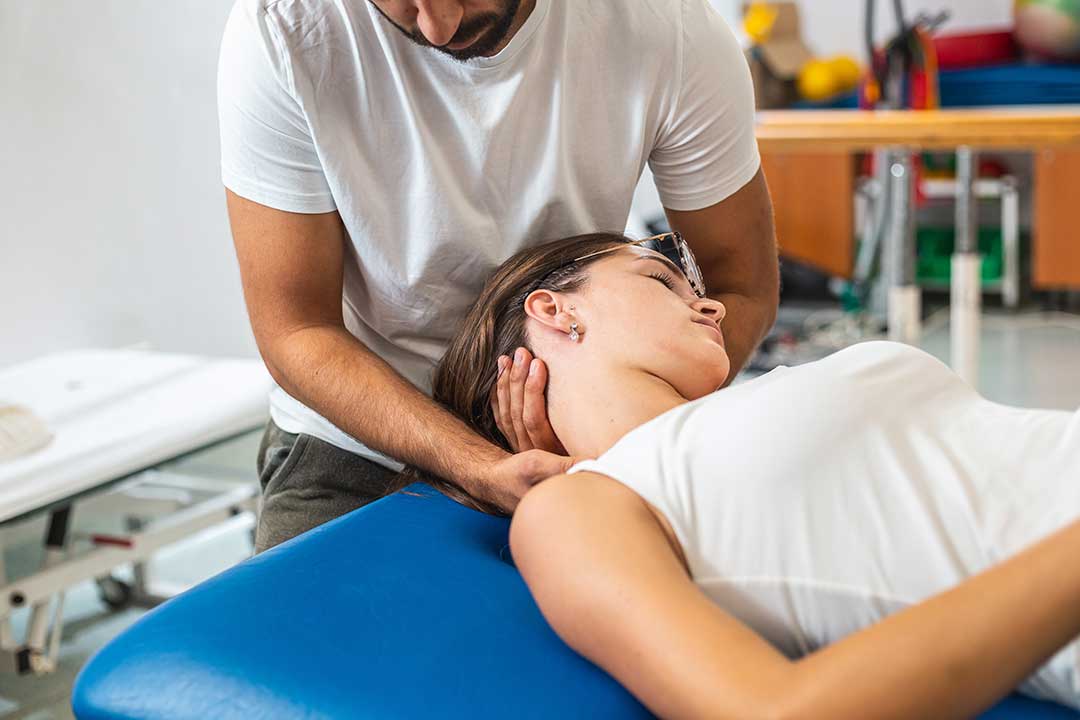
Rest between exercises and breathe normally. Holding the breath often creates unnecessary tension and makes movements less controlled.
Should exercise be avoided if the back already hurts?
Not necessarily. Staying gently active is often more helpful than prolonged bed rest, but painful activities should be reduced or modified. A mild stretching sensation or ordinary muscle fatigue may be acceptable; sharp pain, increasing pain, or symptoms that spread down the leg are signals to stop.
During a flare-up, easier options may include short walks, pelvic tilts, or changing positions frequently. Avoid trying to “push through” a movement that causes worsening symptoms. The right exercise can vary depending on whether discomfort is related to muscle strain, a disc problem, joint irritation, arthritis, or another condition.
Anyone beginning exercise after a significant injury, surgery, or long period of inactivity should use a gradual plan. Medical guidance is also appropriate for people with osteoporosis, balance problems, neurological conditions, or unexplained persistent pain.
What mistakes commonly make back exercises less effective?
Several habits can increase strain even when the exercise itself is appropriate:
- Moving quickly instead of using a slow, controlled motion
- Arching or twisting the lower back to complete a repetition
- Doing too many repetitions too soon
- Holding the breath
- Exercising only the back while neglecting the hips, abdomen, and legs
- Continuing despite worsening pain
- Treating stretching as a replacement for strength and general activity
Good form does not mean keeping the spine rigid at all times. The back is designed to move. The goal is to improve control and tolerance, not to avoid every movement.
How can local routines account for seasonal activities?
Household and outdoor tasks can place sudden demands on the back, particularly after inactivity. In colder months, people may spend more time sitting indoors and then attempt to clear snow, carry supplies, or perform strenuous chores without warming up. A few minutes of walking and gentle movement before these tasks can help prepare the hips and legs.
Use smaller loads when possible, keep objects close to the body, and turn with the feet rather than twisting while carrying. Break demanding chores into shorter intervals. These habits matter because many back problems occur during ordinary activities rather than formal exercise.
When does back pain require prompt medical attention?
Seek urgent medical care for back pain accompanied by new loss of bladder or bowel control, numbness around the groin, severe or progressive leg weakness, fever, unexplained weight loss, or pain after a serious fall or collision. Prompt evaluation is also appropriate when pain is severe, keeps worsening, or does not begin improving with sensible activity changes.
For uncomplicated stiffness or mild discomfort, gradual strengthening and regular movement may help. The safest routine is one that leaves the body feeling worked but not aggravated during the exercise or later that day.
