
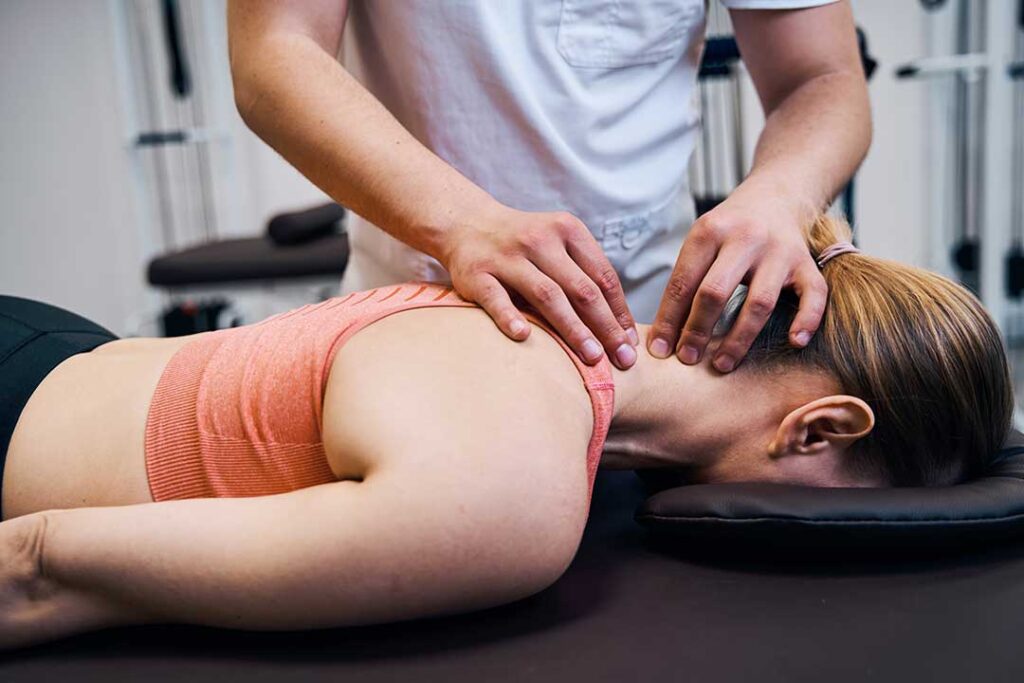
Regular spinal maintenance is often described as periodic care intended to support movement, manage recurring discomfort, and address physical habits before they become more disruptive. For residents of Lynbrook, NY, that may be relevant when daily routines include commuting, desk work, lifting, home maintenance, caregiving, or long periods of sitting.
The evidence supports a balanced view: spinal manipulation and other manual techniques may provide modest short-term improvements in pain and function for some people, especially those with low-back pain. They are not a guarantee against future injury, and they work best as one part of a broader plan that includes movement, strength, sleep, and appropriate medical evaluation.
What does spinal maintenance mean?
Spinal maintenance generally refers to periodic assessment or treatment when a person is not experiencing a severe flare-up. It may include spinal manipulation, mobilization, soft-tissue techniques, movement advice, or exercises designed to improve mobility and control.
The purpose is not to “put the spine back into place” in a permanent sense. The spine is a living structure that moves, adapts, and responds to physical demands. Joints may become stiff, muscles may become deconditioned, and repeated positions may make certain movements uncomfortable. Maintenance care focuses on managing those factors rather than correcting a single permanent misalignment.
The frequency of care should depend on a person’s symptoms, goals, health history, and response. There is no universal schedule that applies to every household or age group.
What are the possible benefits?
Regular, appropriately selected care may help some people maintain comfortable movement and manage recurring musculoskeletal symptoms. Potential benefits include:
- Short-term relief of low-back or neck discomfort
- Improved ability to bend, turn, walk, stand, or perform household tasks
- Greater awareness of posture, lifting habits, and movement limitations
- Support for returning to normal activity after a mild episode of pain
- A structured opportunity to review exercises and physical demands
Spinal manipulation may produce small improvements in pain and function for certain forms of acute or chronic low-back pain. Similar benefits may also be available through exercise, physical therapy, massage, heat, or other non-drug approaches. The most useful option varies from person to person.
For someone who spends much of the day seated, regular movement breaks and strengthening may be more influential than passive treatment alone. For someone who frequently lifts, gardens, shovels, climbs stairs, or performs repetitive work around the home, learning how to distribute force and build endurance may reduce strain.
Can regular adjustments prevent back pain or injury?
There is not strong evidence that routine spinal adjustments prevent all future back pain or eliminate the risk of injury. A person may feel better after treatment while still having underlying contributors such as weak supporting muscles, limited hip mobility, poor sleep, high physical workload, or an unsuitable workstation.
A more realistic goal is improved function and earlier attention to recurring problems. If a particular movement repeatedly causes discomfort, identifying the pattern may help a person modify activity before symptoms become severe. Prevention is more likely to involve several habits working together:
- Regular walking or other moderate activity
- Strengthening the trunk, hips, and legs
- Gradual increases in exercise or physical workload
- Safe lifting and carrying strategies
- Breaks from prolonged sitting
- Adequate sleep and recovery
- Attention to stress, which can affect muscle tension and pain sensitivity
Spinal maintenance should complement these habits, not replace them.
Who might consider this type of care?
Periodic care may be reasonable for adults with recurring, uncomplicated muscle or joint discomfort who have already been evaluated and understand their symptoms. It may also appeal to people who want guidance while returning to normal activity after a minor episode.
It is less appropriate to assume that any new symptom is a routine joint problem. Pain can sometimes reflect nerve compression, infection, fracture, inflammatory disease, or another condition requiring a different type of assessment.

People with osteoporosis, a history of significant trauma, cancer, unexplained weight loss, bleeding disorders, neurological disease, or certain vascular conditions should disclose that history before manual treatment is considered. Pregnancy, recent surgery, and the use of blood-thinning medication may also affect how care is planned.
What should a careful evaluation include?
A responsible evaluation should begin with a health history and questions about the location, timing, severity, and triggers of symptoms. Movement, strength, sensation, reflexes, and walking may also be assessed when relevant.
Imaging is not automatically needed for ordinary back pain. It may be considered when there are warning signs, significant trauma, persistent symptoms that do not improve, or findings suggesting a more serious condition. Routine imaging can reveal age-related changes that are not actually causing pain, so results need to be interpreted alongside the person’s symptoms and examination.
A clear plan should explain what treatment is intended to address, what improvement would look like, and when the approach should be reconsidered. If symptoms are unchanged or worsening despite a reasonable trial, continuing the same treatment indefinitely may not be useful.
Is spinal manipulation safe?
For most appropriately screened adults, temporary soreness, stiffness, or an increase in discomfort can occur after spinal manipulation and often resolves within a day. Serious complications are uncommon, but they have been reported, and risk may be higher in people with certain health conditions.
Neck manipulation deserves particular caution because the neck contains sensitive nerves and blood vessels. Sudden severe neck pain, unusual headache, dizziness, fainting, double vision, trouble speaking, facial weakness, numbness, or difficulty walking after treatment requires urgent medical attention.
Manual treatment should be postponed or medically reviewed after major trauma, with fever, or when pain is accompanied by progressive weakness, loss of bladder or bowel control, numbness in the saddle area, or unexplained systemic symptoms. Those signs are not typical “maintenance” concerns.
How can residents make maintenance care more useful?
The most practical approach is to track function rather than relying only on how the back feels immediately after treatment. Useful questions include:
- Can walking, sleeping, sitting, or lifting be done more comfortably?
- Are symptoms becoming less frequent or less intense?
- Is movement improving over several weeks?
- Are home exercises manageable and specific?
- Is the treatment helping reduce dependence on repeated passive care?
Seasonal routines can also affect the spine. Cold weather may lead to less outdoor activity, while snow or ice can increase sudden slips, awkward lifting, and rushed household tasks. Long periods indoors may increase sitting time. A gradual return to activity, warm-up before strenuous chores, and avoiding sudden increases in workload can be more protective than waiting for discomfort to appear.
Regular spinal maintenance is best understood as an individualized musculoskeletal strategy—not a cure-all and not a substitute for medical care. Its value depends on appropriate screening, realistic goals, active participation, and the willingness to change the plan when symptoms point to a different cause.
