
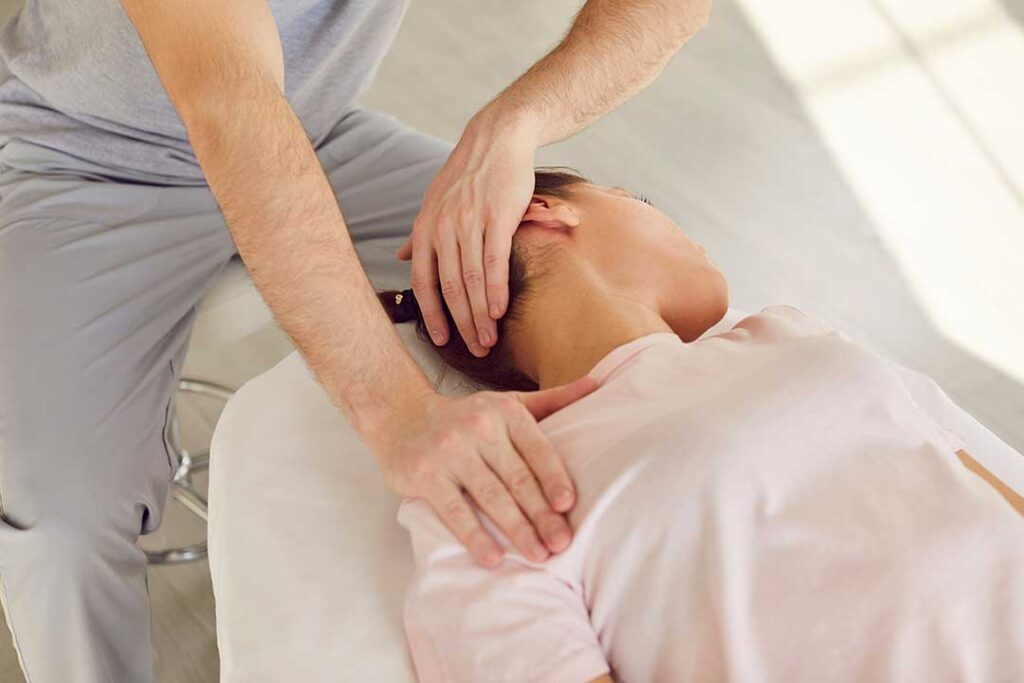
Muscle pain can feel like soreness, tightness, pressure, or a deep ache. Sometimes the discomfort comes from a recent injury or workout. In other cases, a small sensitive area within a muscle—commonly called a trigger point—can create pain that spreads beyond the spot being touched.
For residents of Lynbrook, NY, everyday activities such as commuting, desk work, lifting household items, yard maintenance, walking, and seasonal outdoor chores can all contribute to muscle tension. Understanding how trigger points work can make it easier to recognize common patterns and know when pain may require further evaluation.
What is a trigger point?
A trigger point is a highly sensitive area within a tense band of muscle. Pressing on it may cause pain at the exact location, or it may produce referred pain somewhere else along the same muscle or nearby tissues.
For example, a trigger point in the upper shoulder may cause aching near the shoulder blade, neck, or even the side of the head. A tight area in the buttock may create discomfort that seems to extend into the hip or upper leg.
Trigger points are often described as “knots,” although they are not separate objects inside the muscle. They are areas where muscle fibers remain shortened or irritated and do not relax normally. The surrounding fascia—the connective tissue covering and supporting muscles—may also become sensitive.
How does trigger point pain feel?
Trigger point discomfort is usually different from the brief soreness that follows normal exercise. Common descriptions include:
- A dull, aching, or pressing sensation
- A tight band or pulling feeling
- A small tender lump or firm area
- Pain that increases with certain movements
- Discomfort that spreads to another area
- Reduced flexibility or a feeling that the muscle will not fully relax
- Muscle fatigue, weakness, or stiffness around the painful area
The pain may be constant, or it may appear only when sitting, standing, reaching, turning the head, climbing stairs, or performing a repeated task.
What causes muscle knots and trigger points?
The most common contributors are overuse, prolonged muscle tension, and minor strain. A muscle may become irritated after doing more work than it is prepared to handle or after working in one position for too long.
Typical examples include:
- Carrying a heavy bag on one side
- Spending hours at a computer or on a phone
- Sleeping with the neck or shoulder in an awkward position
- Repeating the same lifting, reaching, or bending motion
- Returning to exercise too quickly
- Skipping warm-up or suddenly increasing workout intensity
- Holding tension in the shoulders during stress
- Working outdoors in cold, damp, or windy conditions without adequate layers
Seasonal changes can affect comfort as well. During colder months, people may spend more time indoors, move less, or tense their shoulders against the cold. During warmer months, yard work, walking, recreational activities, and home projects may increase physical demands quickly.
A muscle strain, joint irritation, nerve-related problem, or condition affecting the whole body can also feel similar to trigger point pain. That is why the location and pattern of symptoms matter.
Are trigger points the same as muscle cramps or strains?
No. These terms describe different problems.
A muscle cramp is a sudden, involuntary contraction. It may last seconds or several minutes and is common in the legs or feet.
A muscle strain occurs when muscle fibers are overstretched or torn. It often follows a specific event, such as lifting, slipping, or forceful movement. Swelling, bruising, and immediate pain may occur with a more significant strain.
A trigger point is usually a localized area of persistent muscle sensitivity and tension. It may develop gradually and can produce referred pain.
These problems can overlap. A strain may lead to protective tightening, which later leaves nearby muscles sore or sensitive.
Can pressing or stretching a trigger point help?
Gentle pressure, light stretching, and gradual movement may reduce symptoms for some people. The goal should be to calm the area, not to forcefully “break up” a knot.
Helpful self-care may include:
- Applying comfortable heat to a tight muscle
- Using a cold pack during the first day or two after a minor injury
- Taking short movement breaks during prolonged sitting
- Performing slow, pain-free range-of-motion exercises
- Walking gently rather than remaining completely still
- Returning to activity gradually
- Improving sleep and reducing avoidable stress
- Drinking enough fluids, especially during exercise or hot weather

A massage ball or foam roller may be useful when applied carefully. Pressure should remain tolerable and should not cause bruising, sharp pain, numbness, tingling, or symptoms that continue to worsen afterward.
Stretching should feel mild. A strong pulling sensation may be acceptable, but sharp or radiating pain is a reason to stop.
Why does the pain sometimes return?
Trigger points often return when the original cause remains. For example, temporary massage may ease a shoulder knot, but symptoms may recur if the person continues to work with the screen too low, uses one arm repeatedly, or holds the shoulders tense throughout the day.
Recurring pain may also reflect reduced strength, limited joint movement, poor recovery between activities, or a problem involving the spine, nerves, tendons, or joints. A pattern that repeatedly affects the same area deserves more attention than a single episode after unusual exertion.
Keeping a brief record can help identify patterns. Note what activity occurred before the pain, where the discomfort travels, whether movement improves or worsens it, and how long it lasts.
When should muscle pain be checked?
Muscle pain that is mild and clearly linked to overuse often improves with rest, gentle movement, and time. Further evaluation is appropriate when symptoms are severe, unexplained, repeatedly returning, or not improving after several days.
Prompt medical attention is especially important if pain is accompanied by:
- Significant swelling, redness, warmth, or fever
- New or worsening weakness
- Numbness or tingling
- Trouble walking or using an arm
- Loss of bladder or bowel control
- Severe pain after a fall or accident
- Dark urine, very little urination, or unusual whole-body weakness
- Shortness of breath, chest discomfort, or difficulty swallowing
- A rash, recent tick exposure, or flu-like illness
Medication changes can also matter. Some medicines may contribute to muscle pain, so unexplained symptoms should be discussed with the prescribing clinician rather than ignored.
What is the safest way to think about trigger points?
A tender spot in a muscle is a symptom, not always a complete diagnosis. Trigger points are common, but not every painful knot is caused by the same process. Muscle pain may be related to posture, repetitive activity, strain, inflammation, nerve irritation, infection, medication effects, or a broader health condition.
The most useful approach is to observe the pattern, reduce aggravating activities temporarily, continue comfortable movement, and avoid forceful self-treatment. If the pain persists, spreads, or comes with weakness or other concerning symptoms, an appropriate medical evaluation can help distinguish ordinary muscle tension from a problem requiring different care.
