

Many residents of Lynbrook, NY wonder whether a chiropractic adjustment can improve energy, especially when pain, stiffness, poor sleep, or long periods of sitting leave them feeling worn down. The short answer is that an adjustment may help some people feel more alert indirectly, particularly if discomfort has been interfering with movement or rest. However, chiropractic adjustments are not a proven treatment for unexplained fatigue, and they should not be viewed as a general energy booster.
Why might an adjustment affect energy levels?
A chiropractic adjustment uses a controlled force to move a spinal joint. The primary goal is usually to improve movement and reduce musculoskeletal discomfort, such as back pain, neck pain, or stiffness.
If pain makes it difficult to sleep, exercise, work comfortably, or maintain normal daily activities, reducing that pain may leave a person feeling less drained. Someone who can turn their head more easily, sit with less discomfort, or sleep with fewer interruptions may describe the result as having more energy.
That improvement does not necessarily mean the adjustment directly increases energy production. It may reflect better comfort, easier movement, reduced muscle tension, or improved sleep.
What does the evidence show?
Research supports spinal manipulation as one possible treatment for some types of low-back pain and, in certain cases, neck pain or headaches. The effect is generally modest and varies from person to person.
Evidence is much less established for using chiropractic adjustments specifically to treat fatigue. There is no reliable basis for promising that an adjustment will correct low energy caused by anemia, thyroid disease, depression, sleep disorders, infection, medication effects, or other medical conditions.
Some people feel refreshed after treatment because they have moved more comfortably or experienced temporary relaxation. Others may feel sore, tired, or mildly uncomfortable for a short time afterward. Both responses are possible.
A useful way to think about the issue is this: an adjustment may support energy indirectly when pain or restricted movement is part of the problem, but it is not a substitute for finding the cause of persistent fatigue.
Can better movement make daily life feel less exhausting?
Yes, in some situations. Musculoskeletal discomfort can make ordinary activities require more effort. A person with low-back stiffness may brace muscles while walking, standing, lifting laundry, or getting in and out of a chair. Someone with neck discomfort may constantly change position while working at a computer or commuting.
Those compensations can contribute to a sense of physical exhaustion. Improving mobility and reducing pain may make routine tasks feel easier. The benefit may be more noticeable when chiropractic care is combined with appropriate exercise, gradual strengthening, healthy sleep habits, and changes to activities that aggravate symptoms.
For local residents, seasonal conditions can also influence how the body feels. Cold weather may encourage people to stay indoors, sit longer, or move less. Snow, ice, and wet sidewalks can alter walking patterns and increase muscle tension. During warmer months, yard work, home maintenance, and recreational activity may place new demands on the back and shoulders. These factors can affect energy independently of spinal alignment.
Could an adjustment improve sleep?
It may help sleep when pain is the reason sleep has been disrupted. Less discomfort can make it easier to change positions, settle into bed, or remain asleep.
That is different from treating insomnia directly. If fatigue continues despite reduced pain, other causes deserve attention. Common contributors include:
- Too little sleep or an inconsistent sleep schedule
- Loud snoring or possible sleep apnea
- Stress, anxiety, or depression
- Low iron or anemia
- Thyroid problems
- Diabetes or other chronic health conditions
- Dehydration or inadequate food intake
- Medication or substance effects
- Viral illness or another infection
Persistent tiredness should not automatically be attributed to the spine. Fatigue lasting several weeks, worsening fatigue, or fatigue accompanied by weight change, shortness of breath, fever, fainting, chest discomfort, or unusual weakness calls for medical evaluation.
Is feeling tired after an adjustment normal?
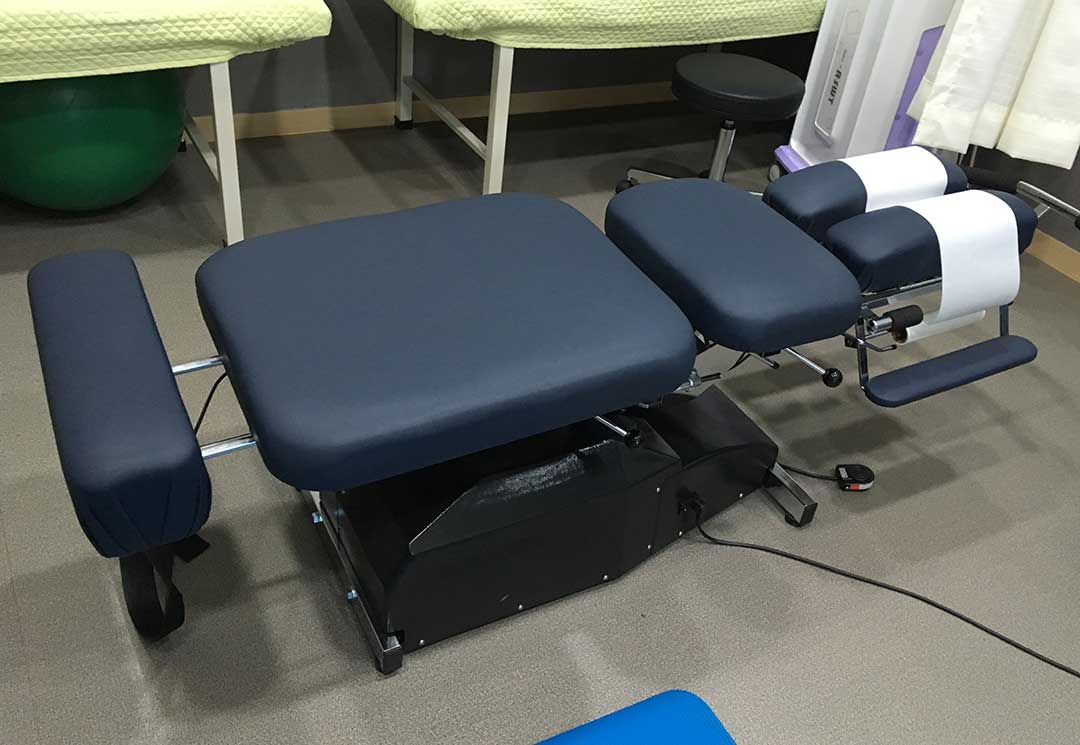
Mild soreness, stiffness, headache, or temporary tiredness can occur after spinal manipulation. These effects are usually short-lived, but they should be reported if they are severe, persistent, or worsening.
Urgent medical attention is appropriate for new or increasing weakness, numbness, trouble walking, loss of bladder or bowel control, severe headache, fainting, confusion, difficulty speaking, vision changes, or dizziness that does not settle. These symptoms are not expected results of a routine adjustment and may signal a condition requiring prompt assessment.
Neck manipulation deserves particular caution because rare but serious complications have been reported. A complete health history should include osteoporosis, cancer involving the spine, inflammatory conditions, prior spinal surgery, blood-clotting problems, recent trauma, neurological symptoms, and any history that may increase stroke risk.
Does an adjustment “realign” the body and restore energy?
The idea that routine adjustments permanently put the body back into alignment and thereby restore energy is an oversimplification. The spine naturally moves, adapts, and changes with posture, activity, age, and injury. A joint may move differently for a period of time without being permanently “out of place.”
The popping sound sometimes heard during an adjustment also does not prove that energy has been released or that a vertebra has been put back into position. It is generally associated with changes in pressure within a joint.
A more evidence-based explanation is that manual therapy may temporarily influence joint motion, muscle activity, pain sensitivity, and how movement feels. Those changes can be useful for some pain conditions, but they do not establish a general treatment for low energy.
How can residents judge whether it is helping?
Track specific changes rather than relying only on a general impression. For example, consider whether there is improvement in:
- Pain intensity
- Range of motion
- Ability to walk, work, or complete household tasks
- Sleep quality
- Need to rest during the day
- Ability to exercise comfortably
If energy improves only briefly, does not improve at all, or declines after treatment, that information matters. Treatment should be reconsidered rather than continued automatically. A reasonable care plan should explain the expected goal, how progress will be measured, what other approaches may help, and when a different medical evaluation is needed.
For many people, energy improves more reliably through a combination of adequate sleep, regular movement, balanced meals, hydration, stress management, and treatment directed at the actual cause of fatigue. Chiropractic care may have a role when pain or restricted movement is contributing, but it should be viewed as one option for a specific musculoskeletal problem—not as a universal solution for tiredness.
