

Joint inflammation can make ordinary activities—walking, climbing stairs, opening containers, or getting out of bed—feel unnecessarily difficult. The most useful natural strategies are usually consistent and practical: gentle movement, supportive nutrition, appropriate use of heat or cold, adequate sleep, and attention to activities that repeatedly overload a joint.
These steps may reduce discomfort and improve function, but they do not replace medical evaluation when inflammation is severe, persistent, or caused by an underlying condition.
What does joint inflammation feel like?
Inflammation may cause swelling, warmth, tenderness, stiffness, or pain with movement. Some people notice symptoms mainly after activity, while others feel worse after sitting still or waking in the morning.
Inflammation is not always the same as ordinary muscle soreness. A swollen knee after a long walk, stiffness in several finger joints, or a joint that feels hot and visibly red may have different causes, including arthritis, injury, infection, gout, or an autoimmune condition.
The pattern matters. Note which joints are affected, when symptoms occur, how long stiffness lasts, and whether activity improves or worsens the discomfort. This information can help identify useful lifestyle adjustments and recognize when further evaluation is needed.
Can gentle exercise reduce inflammation?
Yes. Regular, low-impact movement can reduce stiffness, maintain strength, and support joint function. Avoiding movement completely may weaken the muscles around a joint and make daily activities more difficult.
A practical starting point is five to ten minutes of comfortable activity, repeated during the day. Options may include:
- Walking at an easy pace
- Stationary cycling
- Water exercise
- Gentle mobility exercises
- Tai chi
- Light gardening
- Strength exercises using body weight or resistance bands
During colder months in Lynbrook, outdoor walking may be less appealing because of low temperatures, wind, or wet sidewalks. Indoor walking, gentle floor exercises, or short movement breaks around the home can help maintain consistency.
A little stiffness after beginning a new routine can occur. Sharp pain, increasing swelling, joint instability, or symptoms that remain worse for more than a day or two are signs to reduce the intensity and reassess the activity.
Should heat or cold be used?
Heat is often more comfortable for stiffness, while cold may be more helpful for swelling or irritation after activity. Neither method should be applied directly to bare skin.
For morning stiffness, a warm shower or warm compress may help loosen muscles and make movement easier. For a joint that feels swollen after exercise, a cold pack wrapped in a thin towel may provide temporary relief.
Use heat or cold for about 15 to 20 minutes at a time, then allow the skin to return to its normal temperature. People with reduced sensation, circulation problems, or certain nerve conditions should use extra caution because burns or cold injury may occur without much warning.
Heat and cold can ease symptoms, but they do not explain why inflammation is occurring. Recurrent swelling still deserves attention.
Can food affect joint inflammation?
A balanced eating pattern may support overall health and help reduce factors that contribute to inflammation. No single food reliably eliminates joint pain, and restrictive “detox” plans are not necessary.
Emphasize a variety of:
- Vegetables and fruit
- Beans, lentils, and other fiber-rich foods
- Fish and other sources of unsaturated fat
- Nuts and seeds
- Whole grains
- Adequate protein
- Water and other low-sugar beverages
It can also help to limit heavily processed foods, excessive added sugar, and frequent intake of foods high in refined carbohydrates. These choices may contribute to unwanted weight gain or poorer metabolic health, which can increase stress on weight-bearing joints.
For people with knee, hip, or foot pain, even modest weight changes may affect comfort because those joints carry body weight during standing and walking. Weight should be approached without extreme dieting; gradual, sustainable habits are more realistic.
How do sleep and stress affect joint discomfort?
Poor sleep can make pain feel more intense and reduce the energy needed for healthy movement. Stress may also increase muscle tension and make it harder to recover from ordinary activity.
A consistent sleep schedule, a darker bedroom, and a short wind-down period may help. Gentle breathing exercises, quiet stretching, or a brief body scan before bed can reduce tension without placing stress on painful joints.
For residents managing busy commutes, household responsibilities, or seasonal outdoor tasks, pacing is often more effective than completing everything in one long effort. Alternating activity with brief rest may prevent a flare caused by overexertion.
What daily habits protect irritated joints?
Joint protection does not mean avoiding all use. It means reducing unnecessary strain and changing how demanding tasks are performed.
Helpful adjustments include:
- Break long chores into smaller periods.
- Change position regularly instead of sitting or standing for hours.
- Use both hands for heavier objects.
- Keep frequently used items within easy reach.
- Choose supportive, comfortable footwear.
- Warm up before yard work, cleaning, or exercise.
- Increase activity gradually rather than making a sudden change.
Home layouts with stairs, narrow pathways, or repeated lifting can make symptoms more noticeable. Paying attention to when discomfort begins may reveal a specific movement pattern—such as carrying laundry, kneeling, or prolonged computer use—that can be modified.
Are supplements or herbal remedies safe?
“Natural” does not automatically mean safe or effective. Some supplements can interact with blood thinners, diabetes medications, blood-pressure drugs, or anti-inflammatory medicines. Quality and dosage can also vary between products.
Discuss supplements with a qualified healthcare professional or pharmacist before using them, especially if pregnant, preparing for surgery, managing kidney or liver disease, or taking prescription medication. Food-based improvements, regular movement, sleep, and gradual weight management generally have a clearer safety profile than unregulated products marketed for rapid inflammation relief.
When should joint inflammation be checked?
Seek prompt medical attention for a joint that is suddenly very swollen, hot, red, or extremely painful, particularly if fever or feeling unwell is also present. These symptoms can signal infection or another urgent problem.
Evaluation is also appropriate when:
- Swelling keeps returning.
- Several joints become painful or stiff.
- Morning stiffness lasts a long time.
- Pain follows a significant injury.
- A joint gives way or cannot bear weight.
- Symptoms interfere with sleep or normal activities.
- Home measures have not helped after several weeks.
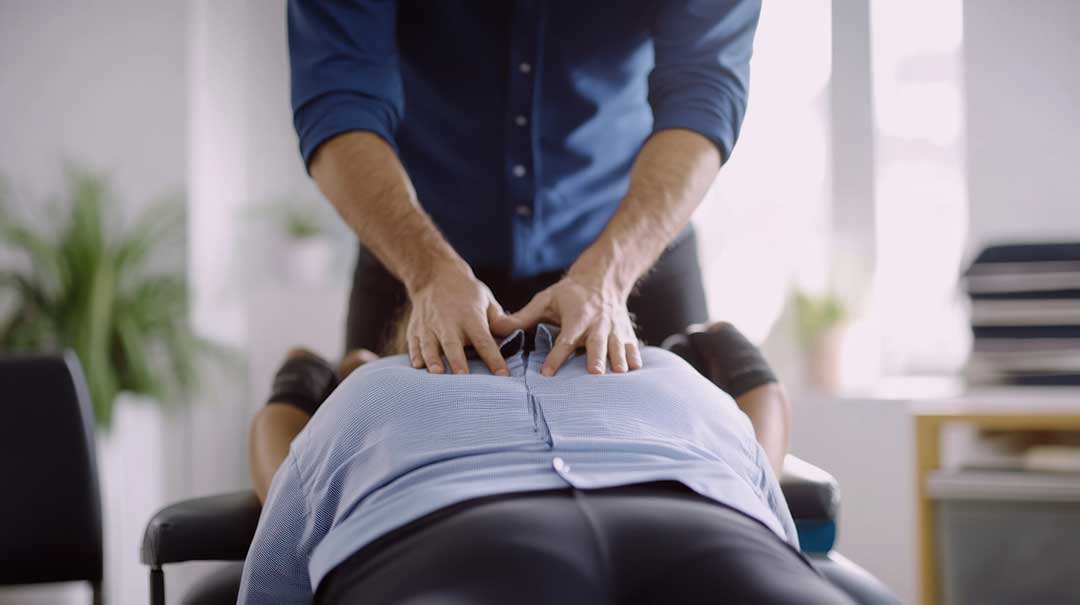
Chiropractic education often emphasizes movement, posture, and musculoskeletal function, but persistent inflammation may involve conditions that require medical diagnosis or medication. Natural strategies are most useful when they complement—not replace—appropriate care.
A simple starting plan
Begin with a comfortable five-minute walk or mobility routine, use heat for stiffness or cold for swelling, and record how the joint responds over the next 24 hours. Add small changes to meals and protect regular sleep.
The goal is not to force a painful joint to work harder. It is to create a manageable routine that supports movement while respecting warning signs, recovery needs, and the underlying cause of inflammation.
