

Athletes often seek chiropractic adjustments for back stiffness, limited joint movement, recurring aches, or difficulty returning to normal training after an injury. Adjustments may help some people move more comfortably, but they are most useful as one part of a broader plan that can include exercise, rest, mobility work, strength training, and medical evaluation when needed.
What is a chiropractic adjustment?
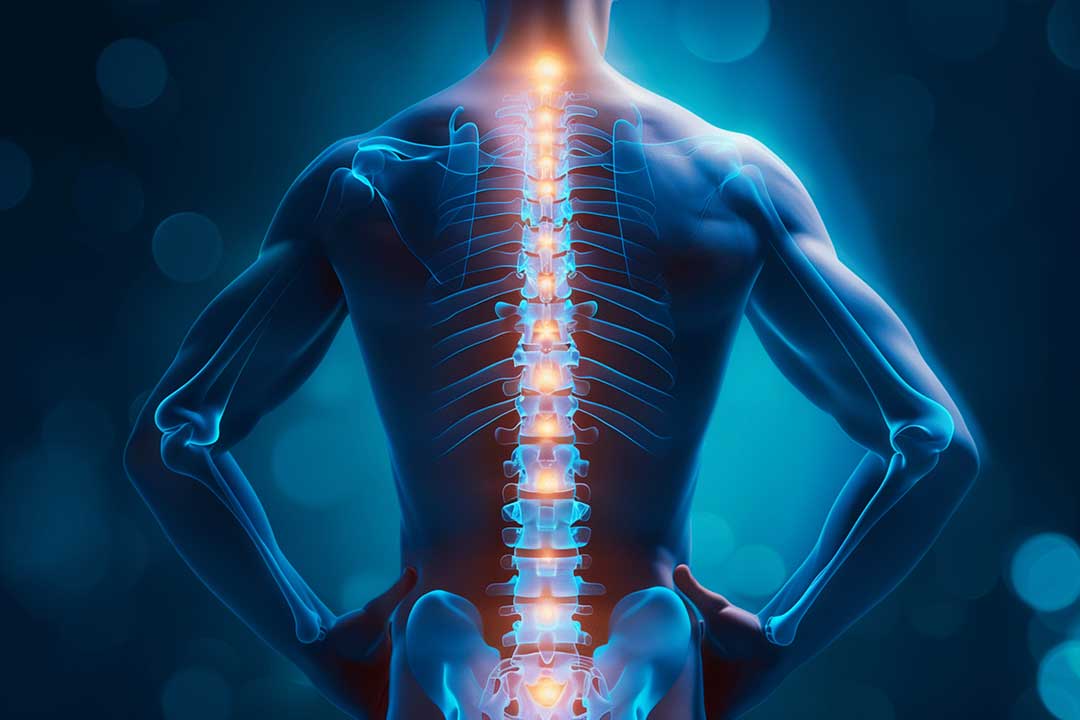
A chiropractic adjustment is a controlled manual technique used to apply a quick, specific force to a joint. The goal may be to improve joint motion, reduce stiffness, and influence how the surrounding muscles and nervous system respond.
Adjustments can involve the spine or certain joints in the arms and legs. The technique used depends on the person’s symptoms, age, activity level, injury history, examination findings, and comfort.
An adjustment is not the same as “putting a bone back into place.” Joints do not generally become permanently displaced because of ordinary athletic activity. A more accurate description is that an adjustment may temporarily improve mobility or reduce the feeling of restriction in a joint.
How might adjustments benefit athletes?
The potential benefits are usually related to movement and comfort rather than dramatic changes in strength or athletic ability.
Improved range of motion
Stiffness in the spine, hips, shoulders, ankles, or other joints can alter running form, lifting technique, throwing mechanics, or balance. A targeted adjustment may help restore motion in a restricted area, particularly when stiffness is contributing to discomfort.
For example, an athlete who has limited upper-back rotation may notice difficulty with swimming, racquet sports, or overhead activity. Someone with reduced ankle motion may compensate by changing how the knee, hip, or lower back moves.
Improved mobility does not automatically correct the underlying problem. The new range of motion usually needs to be supported with active exercises, gradual loading, and sport-specific practice.
Short-term relief from certain musculoskeletal aches
Spinal manipulation has been studied most extensively for some types of low-back pain. Research suggests that it may provide modest improvements in pain and function for certain adults, especially when combined with other conservative care.
Athletes may also experience muscle soreness, joint irritation, or movement-related pain after changes in training volume. An adjustment may reduce symptoms temporarily, but pain relief should not be interpreted as proof that an injury has healed.
Pain that is severe, worsening, associated with weakness or numbness, or caused by a significant collision requires appropriate medical assessment rather than repeated treatment aimed only at reducing symptoms.
Support for more comfortable training
When stiffness or mild mechanical pain makes normal movement difficult, improving comfort may help an athlete perform warmups, mobility drills, and strengthening exercises more effectively.
This is especially relevant during seasonal changes. Residents in Lynbrook may move between outdoor running, field sports, school athletics, indoor training, and winter activities throughout the year. Each transition can change the demands placed on the feet, knees, hips, spine, and shoulders.
Adjustments may be considered when a specific restriction is interfering with movement, but they should not replace proper conditioning or a gradual increase in activity.
Better awareness of movement patterns
A thorough chiropractic evaluation may draw attention to asymmetries, limited mobility, poor lifting mechanics, or habits that contribute to repeated strain. That information can help an athlete make practical changes to training.
Useful observations may include:
- Whether one ankle or hip moves differently from the other
- Whether the pelvis or trunk shifts during a squat
- Whether shoulder movement is limited on one side
- Whether running or jumping technique changes when fatigue develops
- Whether symptoms occur during a particular phase of a sport
The value often comes from identifying a modifiable movement problem, not from the adjustment alone.
Can adjustments improve athletic performance?
Claims that chiropractic adjustments directly increase speed, power, endurance, or coordination should be viewed carefully. Some studies have examined short-term changes in movement or muscle activity, but evidence does not support treating adjustments as a reliable performance-enhancing method for all athletes.
Performance depends on many factors, including training quality, sleep, nutrition, recovery, technique, stress, and injury status. An adjustment may help an athlete move more comfortably or participate in rehabilitation, but it cannot substitute for a well-designed training program.
A practical question is not, “Will an adjustment make me a better athlete?” It is, “Is a specific joint or movement restriction limiting training, and could a conservative treatment plan help address it safely?”
Are adjustments appropriate after a sports injury?
That depends on the injury. Adjustments may have a role in managing some uncomplicated muscle or joint problems, but they are not appropriate for every condition.
An athlete should receive medical evaluation before manipulation when there is:
- Suspected fracture or dislocation
- Significant swelling, deformity, or loss of function
- New weakness, numbness, or loss of coordination
- Severe neck pain after a collision
- Loss of bladder or bowel control
- Fever, unexplained weight loss, or unusual nighttime pain
- A possible concussion or head injury
After a concussion, an athlete should follow a qualified return-to-play process. Spinal adjustment should not be used as a substitute for concussion assessment, observation, or activity restrictions.
Young athletes also require special consideration because growth plates, training loads, and communication about pain may differ from those of adults. Parents, coaches, athletic trainers, and healthcare professionals may need to coordinate care.
What should athletes expect during an evaluation?
A responsible evaluation should begin with questions about the activity, symptoms, injury mechanism, training schedule, previous injuries, medications, and health history. Movement, strength, reflexes, sensation, and joint function may also be assessed.
The treatment plan should explain:
- What problem is being addressed
- Why an adjustment is being considered
- What other options are available
- What improvement would be expected
- What exercises or activity changes should accompany treatment
- When further evaluation is needed
An athlete should be able to ask questions and decline a technique that feels uncomfortable or poorly explained. Treatment should be adjusted for contact sport injuries, recent surgery, osteoporosis, inflammatory conditions, bleeding disorders, or other health concerns.
Are chiropractic adjustments safe?
Most people experience no serious problems from properly selected spinal manipulation, although temporary soreness, stiffness, or headache can occur. Serious complications are uncommon, but risk is not zero. Manipulation of the neck deserves particular caution because rare serious events have been reported, and the relationship between treatment and some events is not always clear.
Athletes should disclose recent trauma, unusual headaches, dizziness, neurological symptoms, blood-clotting conditions, and medications that affect bleeding. A technique that may be reasonable for one person may not be suitable for another.
The safest approach is individualized care that avoids unnecessary force, does not promise guaranteed results, and includes referral for medical assessment when symptoms fall outside routine musculoskeletal problems.
How do adjustments fit with exercise and rehabilitation?
Adjustments tend to be most useful when paired with active care. Exercise helps build the strength, control, endurance, and confidence needed to maintain improvements in movement.
A broader recovery plan may include:
- Gentle mobility work
- Progressive strengthening
- Balance and landing drills
- Sport-specific technique changes
- Training-load adjustments
- Sleep and recovery strategies
- Gradual return to full practice
For athletes in the local community, this approach can be practical during busy school, work, and family schedules. Short, consistent home exercises may be more useful than relying on passive treatment alone.
Chiropractic adjustments may offer a reasonable conservative option for selected athletes with movement-related pain or stiffness. Their benefits are generally best understood as supporting comfort and mobility, not as guaranteeing injury prevention or superior performance. The most appropriate care matches the treatment to the diagnosis, uses active rehabilitation, and keeps safety at the center.
