

Can chiropractic treatment correct scoliosis?
Chiropractic care may help some people manage pain, stiffness, and movement limitations associated with scoliosis, but current evidence does not show that spinal adjustments can straighten a structural spinal curve or reliably prevent scoliosis from progressing.
Scoliosis is a three-dimensional change in the spine that may include sideways curvature, rotation of the vertebrae, and changes in posture. The condition varies widely. Some people have a mild curve with no symptoms, while others develop persistent pain, uneven shoulders or hips, reduced endurance, or problems related to nerve pressure and spinal degeneration.
For residents in Lynbrook, NY, the practical question is usually not whether chiropractic care can “cure” scoliosis. A more useful question is whether a particular treatment plan can safely improve comfort and daily function while appropriate monitoring continues.
What might chiropractic care help with?
Chiropractic treatment may address symptoms that occur alongside scoliosis rather than the underlying curve itself. Depending on the individual, these symptoms can include:
- Muscle tightness after prolonged sitting or standing
- Limited spinal or hip movement
- Mechanical low-back pain
- Joint stiffness
- Discomfort related to altered posture
- Reduced tolerance for walking, household tasks, or exercise
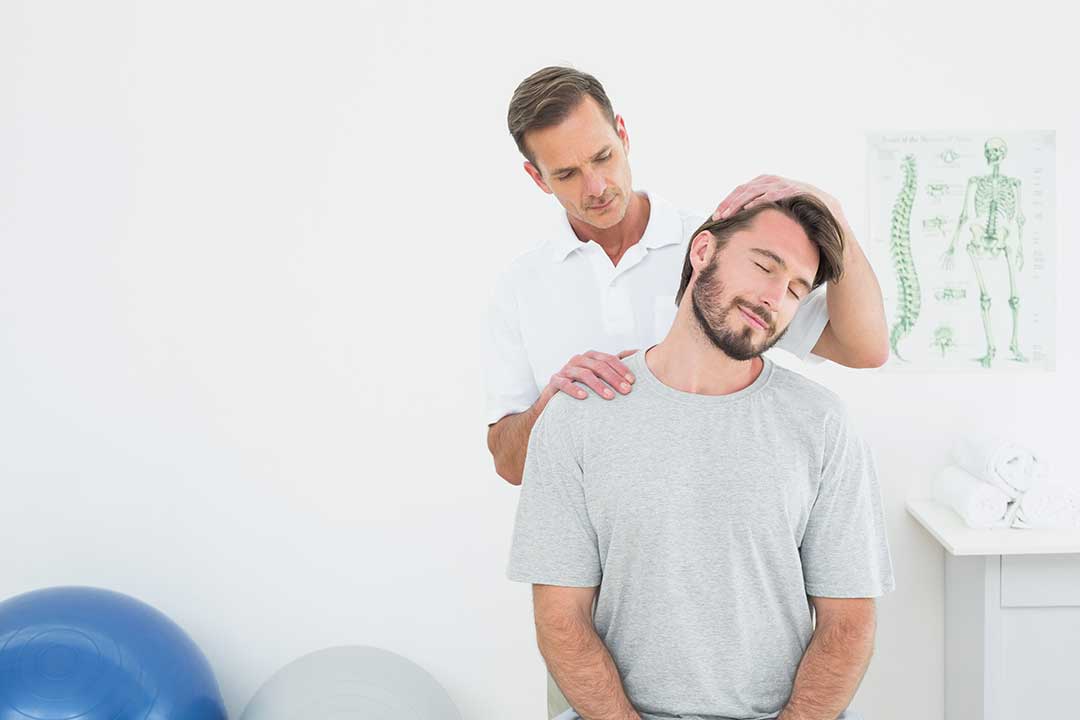
Hands-on treatment, mobility exercises, strengthening, and education about movement may help some people feel less stiff or move more comfortably. Any improvement generally relates to pain and function, not a permanent change in the spinal structure.
Scoliosis-related discomfort can also be influenced by ordinary routines. Working at a computer, carrying a child, using stairs, commuting, or shoveling snow during winter weather may expose existing differences in strength and balance. These activities do not usually cause scoliosis, but they can make muscular fatigue or pain more noticeable.
Is chiropractic care appropriate for children with scoliosis?
Children and teenagers with a suspected spinal curve should receive an appropriate evaluation before beginning treatment. A growing child may need periodic examinations and, when indicated, standing X-rays to measure the curve and assess whether it is changing.
The main concern in childhood scoliosis is progression during growth. Observation, bracing, and surgery may be considered depending on the child’s age, remaining growth, curve size, location, and rate of change. Chiropractic manipulation has not been shown to replace these established approaches.
A child should not be treated solely for posture without considering whether a true spinal curvature is present. Uneven shoulders, a prominent shoulder blade, an uneven waist, or clothing that hangs differently from one side may justify an evaluation, particularly if the difference appears to be increasing.
Parents should be cautious about any claim that adjustments alone can permanently reshape a growing spine or eliminate the need for monitoring.
What about adults with scoliosis?
Adult scoliosis may be longstanding, or it may develop as spinal discs and joints wear over time. Adults can experience back pain, leg symptoms, stiffness, reduced walking tolerance, or difficulty standing for extended periods.
For adults, conservative care may include exercise, physical therapy, medication when appropriate, activity modification, and other symptom-management strategies. Chiropractic care may be considered as one component of conservative management when the person has no warning signs and the treatment is directed toward comfort and function.
The treatment plan should account for osteoporosis, prior spinal surgery, inflammatory arthritis, disc problems, hip conditions, and medications that affect bone health or bleeding risk. A technique that is reasonable for one person may be unsuitable for another.
Adjustments should not be used to postpone evaluation when symptoms suggest nerve compression, spinal instability, fracture, infection, or another condition requiring medical attention.
How is scoliosis evaluated?
A proper evaluation begins with a health history and physical examination. The assessment may include posture, walking pattern, muscle strength, reflexes, sensation, hip movement, and signs of nerve irritation.
Imaging is not automatically required for every episode of back pain. It may be considered when scoliosis is suspected, symptoms are persistent or worsening, the curve appears to be progressing, or there are neurological findings. A measured spinal curve is commonly described using the Cobb angle, although the number alone does not determine treatment. Age, symptoms, physical findings, and growth status also matter.
A useful evaluation should distinguish structural scoliosis from temporary postural asymmetry. For example, a leg-length difference, muscle spasm, hip problem, or pain-related leaning can make the body appear uneven without representing a fixed spinal curve.
Which treatments have stronger evidence?
For children and adolescents, observation is often appropriate for smaller curves that are not changing significantly. Bracing may be recommended for selected growing patients with moderate curves or documented progression. Surgery is reserved for more severe or progressive cases and is decided through specialist evaluation.
For adults, exercise-based rehabilitation may improve strength, balance, posture, and tolerance for daily activities. Scoliosis-specific exercises may be included under the guidance of a qualified rehabilitation clinician. These exercises are not guaranteed to reduce the curve, but they may support function and symptom control.
Pain management should be individualized. A person may benefit from a combination of strengthening, walking, aquatic exercise, flexibility work, improved sleep habits, and strategies for breaking up long periods of sitting. The right approach depends on the type and source of pain.
When should someone seek prompt medical evaluation?
Back discomfort alone is not usually an emergency, but certain symptoms require prompt attention. These include:
- New or worsening weakness in an arm or leg
- Numbness that is spreading or persistent
- Loss of bladder or bowel control
- Numbness in the groin or inner-thigh region
- Severe pain after a fall or other injury
- Fever, unexplained weight loss, or feeling seriously unwell
- Trouble breathing associated with a severe spinal deformity
- Rapidly worsening symptoms in a child or teenager
Children with a visibly increasing curve, significant pain, nighttime pain, or neurological symptoms should be evaluated rather than managed only with routine manual care.
What questions should patients ask?
Before beginning chiropractic care for scoliosis, useful questions include:
- Is the goal pain relief, improved movement, or changing the curve?
- How will progress be measured?
- What findings would require imaging or referral?
- Could any part of the treatment be unsafe with osteoporosis, surgery, or nerve symptoms?
- How does this plan fit with exercise, bracing, or other recommended care?
- What is the plan if symptoms worsen?
A responsible plan should set realistic expectations. Chiropractic care may have a role in managing selected symptoms, but it should not be presented as a proven method for correcting scoliosis. In the local community, where daily life may involve compact housing, frequent walking, desk work, school activities, and seasonal outdoor maintenance, the most practical goal is often preserving comfortable movement while the spinal condition is properly monitored.
