
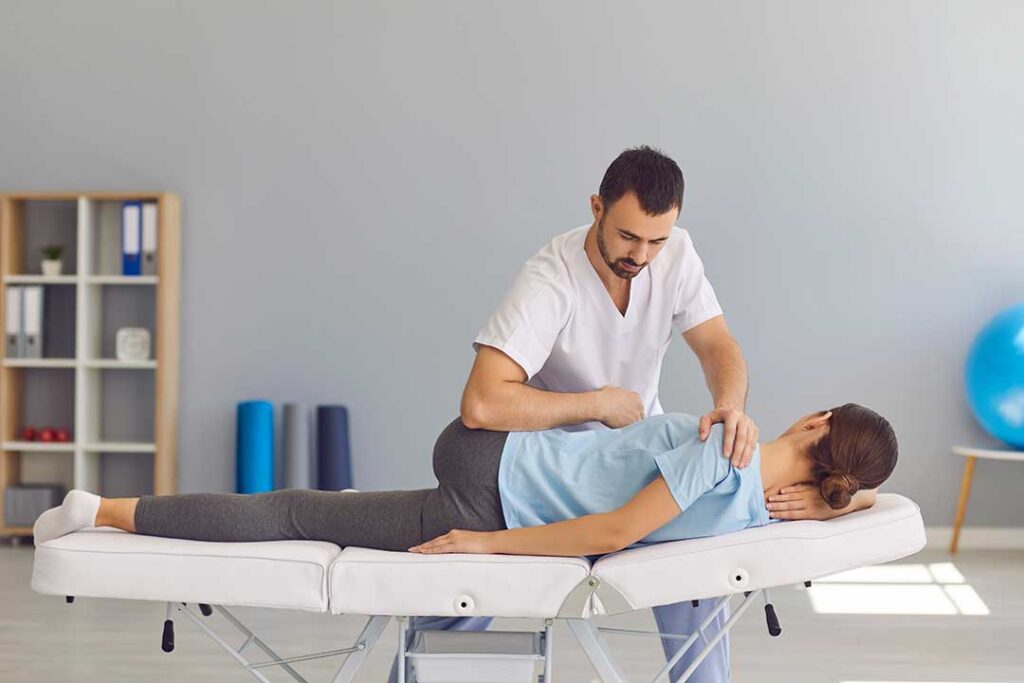
Poor posture does more than make someone appear slouched. Repeatedly holding the head, shoulders, spine, or pelvis in an awkward position can increase strain on muscles and joints, contribute to headaches and pain, restrict comfortable movement, and make ordinary activities more tiring.
For residents of Lynbrook, NY, posture may be affected by commuting, desk work, schoolwork, household tasks, phone use, driving, and long periods indoors during cold or rainy weather. The goal is not to maintain a rigid “perfect” position all day. Healthy posture is usually dynamic: the body changes position regularly and avoids staying in one stressful position for too long.
What does poor posture do to the body?
Poor posture changes how the body distributes weight and how muscles work to keep the head and trunk supported. For example, leaning forward over a phone or laptop can place extra demand on the neck and upper-back muscles. Slumping in a chair can reduce support from the trunk muscles and place the pelvis and lower spine in a less comfortable position.
Over time, these patterns may contribute to:
- Neck stiffness or aching
- Upper-back and shoulder tension
- Low-back discomfort
- Muscle fatigue
- Reduced flexibility
- Joint irritation
- Headaches related to neck tension
- Numbness or tingling when nerves are compressed or irritated
Posture is only one factor. Sleep, physical activity, stress, previous injuries, work demands, footwear, strength, and overall health can also influence pain and movement.
Can poor posture cause headaches?
It can contribute to some tension-type headaches, particularly when the neck and upper-back muscles remain contracted for long periods. Forward-head posture, raised shoulders, and prolonged screen use may increase muscle tension around the neck, temples, and base of the skull.
Posture-related headaches often appear after extended computer work, studying, driving, or phone use. They may improve with movement, rest, gentle neck mobility, hydration, and changes to the work setup.
However, not every headache is related to posture. A sudden severe headache, a headache after a head injury, or a headache accompanied by confusion, weakness, fainting, vision changes, fever, or difficulty speaking requires prompt medical attention.
How can slouching affect breathing and energy?
A slumped position can limit comfortable expansion of the rib cage and make deep breathing feel less natural. This does not usually mean that poor posture directly causes a lung disorder, but it can make breathing mechanics less efficient during certain activities.
Slouching may also increase the effort needed to hold the head and trunk upright. The result can be a feeling of fatigue, heaviness, or reduced concentration during long periods of sitting. Taking movement breaks may help distinguish posture-related tiredness from other causes of low energy.
Persistent shortness of breath, chest pain, dizziness, or unusual fatigue should not be attributed to posture without medical evaluation.
Does posture affect digestion?
Sitting compressed or folded forward after eating may make some people feel more pressure, fullness, or discomfort in the abdomen. A rounded seated position can also make it easier to remain inactive after meals.
Posture alone is not a cure or primary cause of digestive disease. Symptoms such as ongoing abdominal pain, difficulty swallowing, repeated vomiting, unexplained weight loss, black stools, or persistent heartburn should be discussed with a medical professional.
A more comfortable approach is to avoid tightly folding forward for long periods, change position periodically, and take a gentle walk when appropriate.
Why do phones, laptops, and driving matter?
Devices encourage the head and eyes to remain directed downward or forward. The problem is less about one brief period of use and more about repeating the same position for hours without movement.
Common examples include:
- Holding a phone below chest level for extended periods
- Working from a couch without back or arm support
- Using a laptop with the screen far below eye level
- Reaching forward for a keyboard or mouse
- Driving with the seat too far from the pedals or steering wheel
- Carrying a heavy bag on one shoulder every day
A useful workstation setup allows the screen to be near eye level, the shoulders to remain relaxed, the elbows to stay reasonably close to the body, and the feet to rest comfortably. Small adjustments are often more sustainable than trying to force the body into a stiff upright pose.
Is sitting itself bad for posture?
Sitting is not automatically harmful, but prolonged, uninterrupted sitting can increase discomfort and stiffness. Even a well-arranged chair can become uncomfortable if a person remains still for several hours.
For home offices, classrooms, and work areas, consider:
- Standing or walking briefly every 20 to 30 minutes
- Alternating between sitting and standing when practical
- Keeping frequently used items within easy reach
- Supporting the lower back without forcing an exaggerated arch
- Adjusting chair height so the feet are supported
- Using both hands for tasks that require repeated reaching
- Changing positions rather than waiting for pain to appear
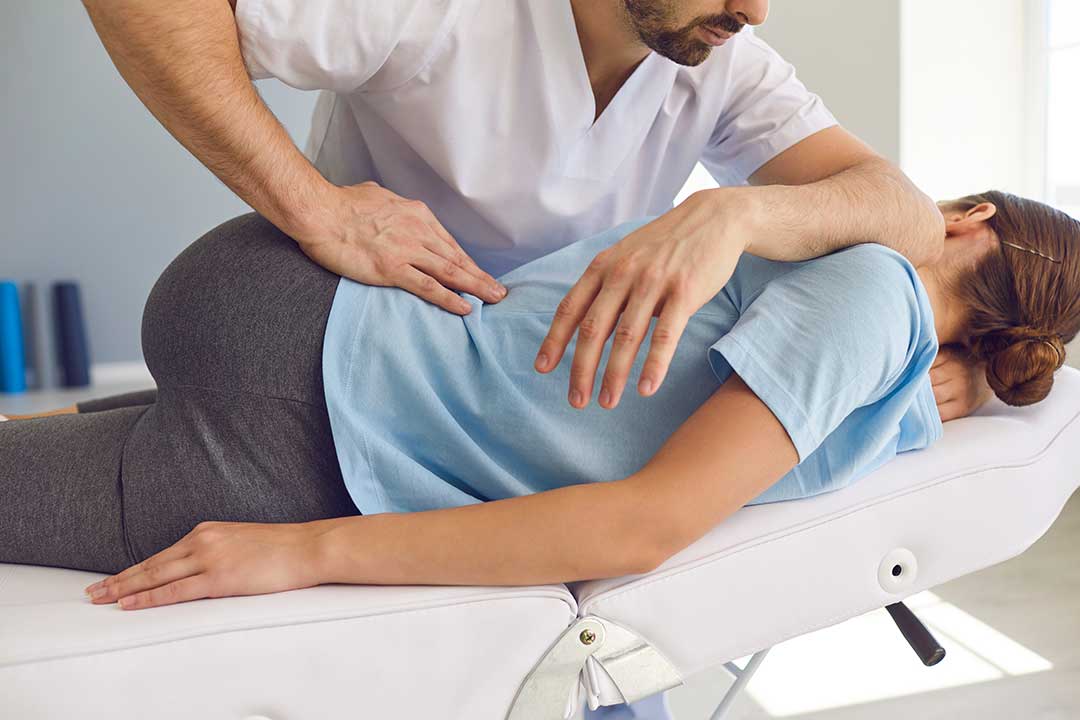
During winter, indoor routines may become more sedentary because of cold temperatures, snow, or reduced outdoor activity. Short movement intervals inside the home can still help maintain mobility.
Can better posture prevent back and neck pain?
Better posture may reduce unnecessary strain, but it cannot prevent all pain. Back and neck symptoms can also arise from injuries, arthritis, disc problems, nerve irritation, inflammatory conditions, stress, or changes in physical activity.
A practical goal is “comfortable alignment,” not perfection. The head should generally remain balanced over the trunk, the shoulders should be relaxed, and the spine should be allowed to keep its natural curves. Occasional slouching is normal; difficulty returning to a comfortable position or pain that repeatedly follows a particular activity deserves attention.
Strengthening the trunk, hips, upper back, and legs can also help the body tolerate daily tasks. Walking, gentle mobility exercises, and gradually increased physical activity are often useful, provided they do not worsen symptoms.
When should posture-related pain be evaluated?
Occasional stiffness after a long day is common. Evaluation becomes more important when pain is severe, persistent, worsening, or interfering with sleep, work, walking, or routine activities.
Seek prompt medical care for back or neck symptoms accompanied by:
- New weakness in an arm or leg
- Loss of bladder or bowel control
- Numbness in the groin or inner thighs
- Fever or unexplained weight loss
- Major trauma
- Unexplained severe pain
- Trouble with balance, speech, vision, or coordination
For less urgent symptoms, keeping a brief record can be helpful. Note when discomfort occurs, which positions or activities affect it, how long it lasts, and whether movement changes the symptoms. This information can help clarify whether the issue relates mainly to sustained posture, workload, sleep, physical conditioning, or another health concern.
What is the most useful posture habit?
The most useful habit is to move before discomfort becomes intense. Change position, relax the shoulders, bring screens closer to eye level, support the feet, and include regular walking or mobility throughout the day.
Healthy posture is not a single pose. It is the ability to use different positions comfortably, recover after activity, and maintain enough strength and mobility for daily life.
