
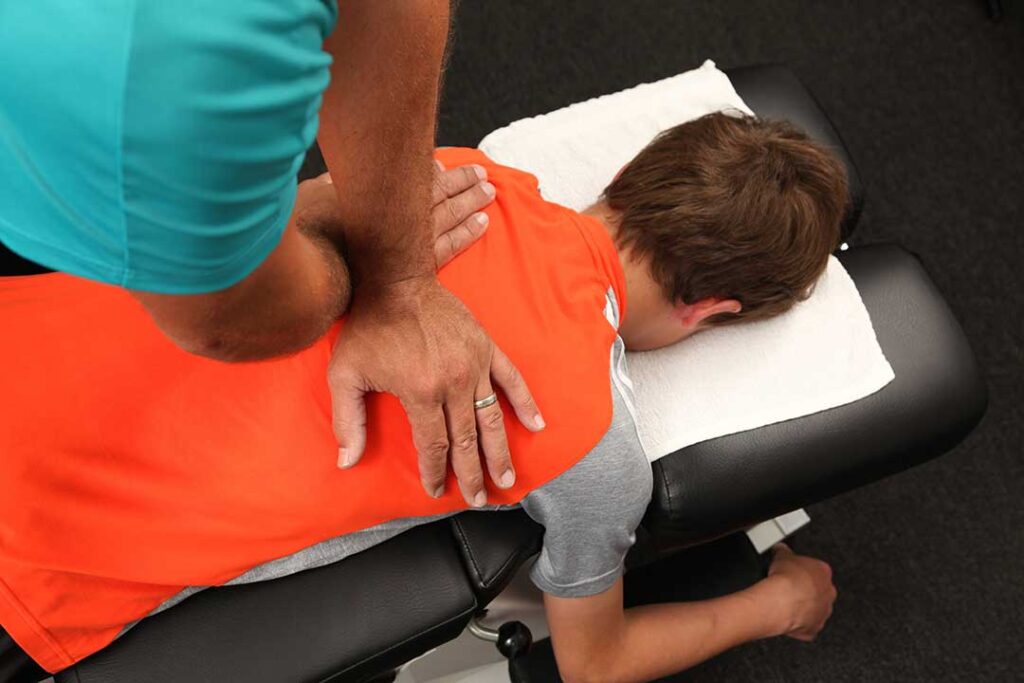
Back pain is often caused by muscle strain, awkward lifting, prolonged sitting, or a gradual buildup of stress on the spine. Most episodes improve with time and gentle movement. However, certain symptoms suggest that pain may involve a nerve, infection, fracture, or another medical condition that should not be managed with home care alone.
Which back pain symptoms require emergency attention?
New bladder or bowel problems, numbness around the groin, or significant weakness in both legs require immediate medical evaluation. These symptoms can indicate pressure on the nerves that control the legs, bladder, and bowel.
Seek emergency care if back pain occurs with:
- New loss of bladder or bowel control
- Difficulty starting urination or inability to empty the bladder
- Numbness or reduced feeling around the genitals, inner thighs, buttocks, or anus
- Rapidly worsening weakness in one or both legs
- Severe pain after a car crash, major fall, or other substantial injury
- Back pain with fainting, severe abdominal pain, chest pain, or trouble breathing
These warning signs are uncommon, but waiting to see whether they improve can create unnecessary risk. Do not drive if weakness, loss of sensation, severe dizziness, or uncontrolled pain makes travel unsafe.
Can pain traveling down the leg be more than a pulled muscle?
Yes. Pain that travels from the lower back into the buttock, thigh, calf, or foot may involve irritation or compression of a spinal nerve. This is often called sciatica, although several conditions can produce similar symptoms.
Nerve-related symptoms may include:
- Burning, electric, shooting, or stabbing pain
- Tingling or pins-and-needles sensations
- Numbness in part of the leg or foot
- Weakness when lifting the foot, climbing stairs, standing on the toes, or rising from a chair
- Pain that becomes worse with coughing, sneezing, or straining
Pain down one leg does not automatically mean an emergency. It does deserve closer attention if it is persistent, worsening, extends below the knee, or is accompanied by weakness. A person who begins tripping, cannot lift the front of the foot normally, or feels that a leg is giving way should seek prompt medical assessment.
What does fever have to do with back pain?
Back pain accompanied by fever, chills, unusual sweating, or a general feeling of illness may signal an infection. Spinal infections are rare, but they can become serious without timely treatment.
The concern is greater when fever occurs with:
- Constant or deep back pain
- Pain that does not ease with rest
- Recent infection, including a urinary infection
- A weakened immune system
- Recent surgery, injection, or significant medical procedure
- Use of medications that suppress the immune system
A warm, red, swollen area on the back also needs medical attention. Do not assume that fever is unrelated simply because the pain began after lifting, exercising, or sleeping in an uncomfortable position.
When could back pain be related to a fracture?
A fracture can occur after a major accident, but weakened bones may fracture after a smaller fall, sudden twist, or ordinary lifting motion. Risk is higher with osteoporosis, long-term steroid use, older age, or a history of previous fractures.
Prompt evaluation is appropriate when pain:
- Begins after a fall, collision, or direct blow
- Is sharply localized over a spinal bone
- Makes standing or walking unusually difficult
- Is severe and does not settle with rest
- Begins after a relatively minor event in someone with fragile bones
Seasonal conditions can add practical challenges for residents of Lynbrook. Wet leaves, icy steps, and slick walkways can lead to falls, while shoveling, carrying salt, or moving outdoor equipment can place sudden stress on the back. Persistent pain after any such incident should not be dismissed as a routine strain.
Is back pain at night a warning sign?
Night pain is not automatically dangerous, but pain that repeatedly wakes a person, becomes worse while lying down, or does not improve with changing position deserves evaluation. Muscle strains often vary with movement and gradually improve. Pain that remains intense at rest is less typical.
Night pain is more concerning when paired with:
- Unexplained weight loss
- Fever or recurring chills
- A personal history of cancer
- New weakness or numbness
- Pain that is steadily worsening over days or weeks
- Fatigue that is unusual for the individual

These features do not prove a serious disease. They indicate that a more complete medical assessment may be needed rather than repeated self-treatment.
How long is it reasonable to monitor back pain at home?
Mild back pain after an identifiable strain can often be monitored for several days while maintaining light activity. Short periods of rest may help, but prolonged bed rest can contribute to stiffness and deconditioning.
Consider medical evaluation if:
- Pain is not clearly improving after one to two weeks
- Symptoms continue beyond several weeks
- Pain is becoming more frequent or severe
- Normal walking, sleeping, work, or household activities are affected
- Repeated episodes keep returning
- Over-the-counter medication is ineffective, unsafe, or causing side effects
People with kidney disease, ulcers, blood-thinning medication, pregnancy, or other medical conditions should not assume that common pain relievers are appropriate. Medication labels and individual medical guidance matter.
Could back pain actually come from somewhere else?
Sometimes pain felt in the back is referred from another part of the body. Kidney problems may cause flank or back pain with fever, urinary burning, blood in the urine, nausea, or changes in urination. Gallbladder, pancreatic, vascular, and abdominal conditions can also produce back discomfort.
Call for urgent medical help when back pain is accompanied by:
- Severe or persistent abdominal pain
- A pulsating sensation in the abdomen
- Fainting or marked weakness
- Vomiting that will not stop
- Blood in the urine or stool
- New chest pressure or shortness of breath
Back pain should be considered alongside the person’s full set of symptoms, not evaluated in isolation.
What should a person do while deciding what to do next?
Record when the pain began, what triggered it, where it travels, and whether numbness or weakness is present. Note fever, recent injuries, illnesses, falls, medication changes, and any bladder or bowel changes. This information can help a clinician identify urgency.
Until serious warning signs have been ruled out, gentle position changes and brief walking may be reasonable if they do not increase symptoms. Avoid heavy lifting, forceful twisting, and exercises that cause spreading pain, numbness, or weakness.
Chiropractic care and other conservative approaches may be appropriate for some uncomplicated mechanical back-pain patterns, but they are not substitutes for urgent medical assessment when red flags are present. The safest first step is recognizing whether the symptoms fit an ordinary strain or require a different level of care.
