

A minor back strain often improves with simple home care, gentle movement, and time. The usual cause is an overstretched or irritated muscle or ligament after lifting, reaching, exercising, bending, or staying in one position too long.
A strain may cause soreness, stiffness, muscle spasms, or pain that worsens with certain movements. It should gradually become easier to move over several days. Home remedies can reduce discomfort, but they should not be used to ignore warning signs of a more serious problem.
What should be done during the first day or two?
For the first 24 to 48 hours, reduce activities that clearly increase pain, but avoid staying in bed for long periods. Short, easy movements around the home are generally better than complete inactivity.
Try these steps:
- Use a cold pack wrapped in a thin towel for about 10 to 20 minutes at a time.
- Repeat cold therapy several times during the day if it reduces pain or swelling.
- Rest from lifting, deep bending, twisting, running, and strenuous household tasks.
- Change positions regularly rather than sitting or lying in one posture for hours.
- Use a comfortable position, such as lying on the side with a pillow between the knees or on the back with the lower legs supported.
Cold therapy should never be placed directly on the skin. Stop if the skin becomes numb, pale, painful, or irritated.
A short period of relative rest is different from bed rest. Remaining in bed for a day or two may be reasonable if movement is very painful, but extended bed rest can increase stiffness and make it harder to resume normal activity.
Is heat or ice better for a back strain?
Either may help, depending on the stage of the strain and the person’s symptoms. Cold is often more soothing soon after a new injury, especially if the area feels irritated or swollen. Heat may be more comfortable after the first day or two when stiffness or muscle spasm is the main problem.
A warm shower, heating pad, or warm compress can relax tight muscles. Use low or moderate heat for about 15 to 20 minutes, and avoid falling asleep while using a heating device.
Some people prefer alternating cold and warmth. There is no requirement to use both. The better choice is the option that provides relief without causing skin irritation or making symptoms worse.
Extra caution is needed with heat or ice if sensation is reduced because of diabetes, nerve problems, or another medical condition. Reduced sensation makes burns and cold injury easier to miss.
Should a person stretch a strained back?
Gentle movement is usually more helpful than forceful stretching. During the first few days, avoid stretches that produce sharp pain, increased tingling, or a stronger muscle spasm.
A reasonable starting routine may include:
- Slow walking for a few minutes at a time.
- Gentle pelvic movements while lying down, if comfortable.
- Easy changes between sitting, standing, and lying positions.
- Calm breathing while allowing the back muscles to relax.
Movement should feel controlled and tolerable. Mild pulling or stiffness can occur, but pain should not steadily intensify during the activity or remain significantly worse afterward.
Do not try to “stretch through” severe pain. A back strain does not heal faster because it is aggressively manipulated, twisted, or pressed.
How can ordinary activities be modified?
Many minor strains are aggravated by the way daily tasks are performed rather than by one major injury. Local households may notice this during seasonal yard work, snow preparation, moving storage items, or extended periods of sitting indoors.
For the next several days:
- Keep frequently used items between waist and shoulder height.
- Bend at the hips and knees rather than rounding the lower back.
- Hold loads close to the body.
- Turn by moving the feet instead of twisting while carrying something.
- Break chores into short periods with standing or walking breaks.
- Avoid lifting from the floor while reaching forward or turning.
- When getting out of bed, roll onto the side, lower the legs, and push up with the arms.
If an activity causes a sudden increase in pain, stop and return to easier movements. Resuming normal tasks gradually is safer than testing the back with one demanding activity.
Can over-the-counter medicine help?
Over-the-counter pain relievers may make it easier to move, sleep, and perform basic activities. Options can include acetaminophen or anti-inflammatory medicines such as ibuprofen or naproxen, but the safest choice depends on a person’s health history and other medications.
Anti-inflammatory medicines may be unsuitable for people with a history of stomach ulcers or bleeding, kidney disease, certain heart conditions, uncontrolled high blood pressure, or medication interactions. They may also require special caution during pregnancy. Acetaminophen can be dangerous in excessive amounts or for people with certain liver conditions.
Read the package directions carefully, avoid combining products with the same active ingredient, and ask a pharmacist whether a medication is appropriate if there is any uncertainty. Medication should support comfortable movement, not permit strenuous activity that would otherwise be painful.
What should not be used as a home remedy?
Several common approaches can prolong irritation or hide important symptoms.
Avoid:
- Prolonged bed rest.
- Heavy lifting to “test” whether the back is healed.
- Forceful twisting or high-velocity self-manipulation.
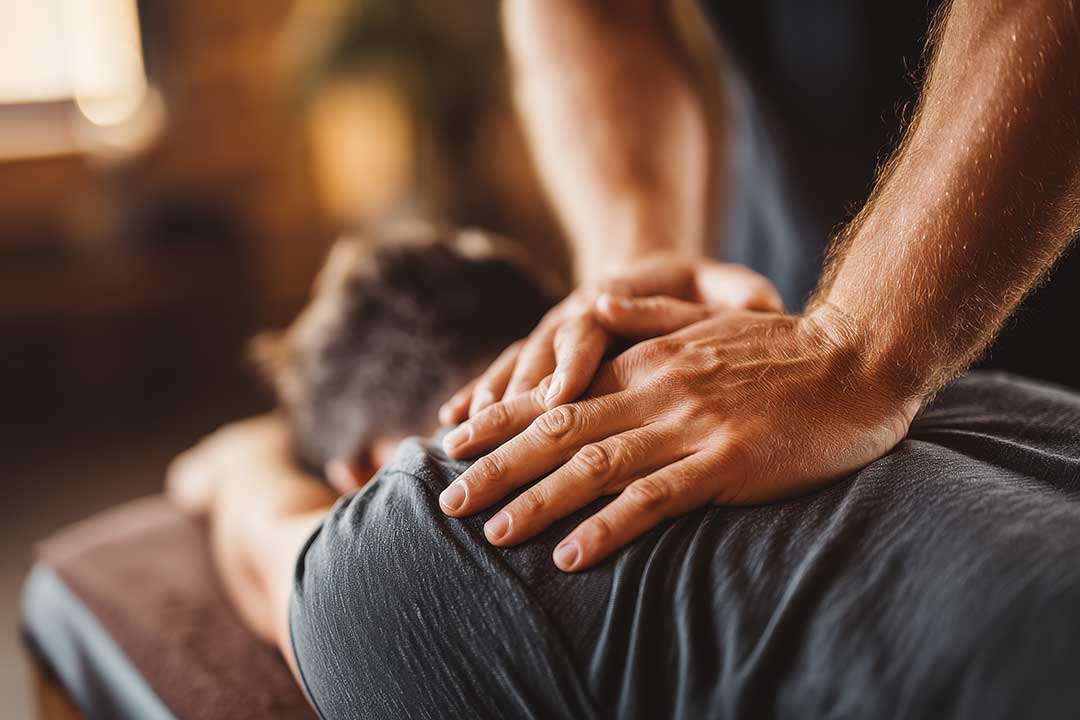
- Deep massage directly over a newly painful area if it increases symptoms.
- Heat applied to numb skin or while sleeping.
- Ice placed directly against the skin.
- Returning immediately to sports, shoveling, or demanding chores because the pain temporarily improves.
A back brace is not automatically helpful for a minor strain. Extended reliance on a brace can encourage guarded movement and does not replace gradual recovery.
When is back pain more than a minor strain?
Seek urgent medical evaluation for back pain accompanied by any of the following:
- New weakness in a leg or foot.
- Numbness around the inner thighs, groin, or buttocks.
- Loss of bladder or bowel control.
- Difficulty starting urination.
- Severe pain after a fall, collision, or other significant injury.
- Fever, unexplained weight loss, or feeling unusually ill.
- Pain with chest symptoms, severe abdominal pain, or fainting.
- Pain that travels down a leg with increasing numbness or weakness.
Prompt medical advice is also appropriate when pain is severe, keeps worsening, prevents normal walking, or does not begin improving after several days. A strain that remains significantly painful for a few weeks deserves evaluation rather than repeated self-treatment.
How long does a minor back strain usually take to improve?
Many uncomplicated strains begin improving within a few days and settle over several weeks. Recovery is often uneven: a person may feel better in the morning and stiffer after sitting, driving, or doing household work.
The most useful signs are gradual improvement in movement, sleep, walking tolerance, and the ability to perform ordinary tasks. Once daily movement is comfortable, gentle strengthening and regular activity can help reduce the chance of another episode.
For residents in Lynbrook, pacing is especially useful during periods of cold weather, when muscles may feel stiff before outdoor chores or commuting. A few minutes of easy walking and controlled movement before lifting or vigorous activity can help the back transition from rest to work.
