

Muscle pain is often described as a knot, tight spot, cramp, or tender area that seems to appear without warning. In many cases, the discomfort involves a trigger point: a sensitive area within a muscle that can hurt when pressed and may send pain to another location.
Understanding how trigger points work can make muscle pain less mysterious. It can also help residents recognize when simple self-care is reasonable and when symptoms require medical attention.
What is a trigger point?
A trigger point is a sensitive, irritable area within a tight band of muscle. Pressing on it may cause pain at the same spot or produce “referred pain,” meaning the discomfort is felt somewhere else along the muscle or nearby region.
For example, a trigger point in the upper shoulder may cause aching near the neck, shoulder blade, or even the side of the head. A tight area in the buttock may contribute to discomfort farther down the leg, although pain traveling into the leg can also result from nerve irritation or other conditions.
Trigger points are not the same as every muscle knot. The term is generally used when a focused area of muscle tenderness is associated with a recognizable pain pattern or movement problem.
What do trigger points feel like?
People often describe trigger-point pain as:
- A dull, aching, or burning sensation
- A firm knot or tight band in the muscle
- Pain that increases when the area is pressed
- Stiffness after sitting, sleeping, or remaining in one position
- Reduced flexibility or range of motion
- Pain that spreads to another area
- Muscle fatigue or a feeling of weakness without true loss of strength
The discomfort may be constant or may appear only during certain movements. Some people notice it while turning the head, lifting an arm, climbing stairs, working at a computer, or carrying groceries.
What causes muscle trigger points?
Trigger points may develop when a muscle is overloaded, held under tension, or used repeatedly without enough recovery. Common contributors include:
- Repetitive work or exercise
- Sudden increases in activity
- Poorly supported sitting or sleeping positions
- Muscle strain or a minor injury
- Weakness in a related muscle group
- Long periods of inactivity
- Stress-related muscle tension
- Cold environments that encourage muscles to remain contracted
In Lynbrook, seasonal temperature changes may influence how people move and use their muscles. Cold weather can lead to more muscle guarding, while snow, ice, or wet conditions may cause people to walk cautiously, climb stairs differently, or perform unfamiliar shoveling and lifting tasks. Indoor routines during colder months can also mean more time sitting in one position.
A trigger point may be a symptom of a larger movement pattern rather than the original problem. Repeatedly treating the tender spot without addressing the activity, posture, strength, or recovery issue that contributed to it may provide only temporary relief.
Why does pain occur somewhere other than the knot?
Referred pain happens because the nervous system can interpret signals from nearby muscles and tissues in overlapping ways. A sensitive muscle may therefore produce discomfort in an area that seems unrelated to the spot being touched.
This is one reason self-diagnosis can be difficult. Pain around the shoulder may involve the neck, upper back, shoulder joint, or nerves. Lower-back discomfort may arise from muscles, joints, discs, or nerves. A painful spot is not always the source of the entire problem.
Pain that travels below the elbow or knee, or that is accompanied by numbness, tingling, or noticeable weakness, deserves more careful evaluation because nerves may be involved.
Are trigger points the same as fibromyalgia?
No. Trigger points are localized areas of muscle sensitivity, while fibromyalgia is a widespread pain condition that may also involve fatigue, sleep problems, and increased sensitivity in multiple parts of the body.
The two conditions can be confused because both may cause tenderness and aching. However, a few painful muscle knots do not by themselves indicate fibromyalgia. Widespread or persistent symptoms should be assessed in the context of a person’s overall health, sleep, medications, activity level, and other symptoms.
What can help a tight, painful muscle at home?
For a mild muscle problem that follows overuse or an uncomplicated strain, gentle care may help:
- Reduce the activity that clearly aggravates the area for a short period.
- Use comfortable heat to relax stiffness, or cold soon after an acute injury if it feels soothing.
- Move gently rather than keeping the area completely still.
- Try slow range-of-motion exercises without forcing pain.
- Change position regularly during desk work, driving, or television viewing.
- Warm up before exercise and increase activity gradually.
- Drink enough fluids, especially during strenuous activity or hot weather.
- Use light pressure or massage only if it does not increase pain afterward.
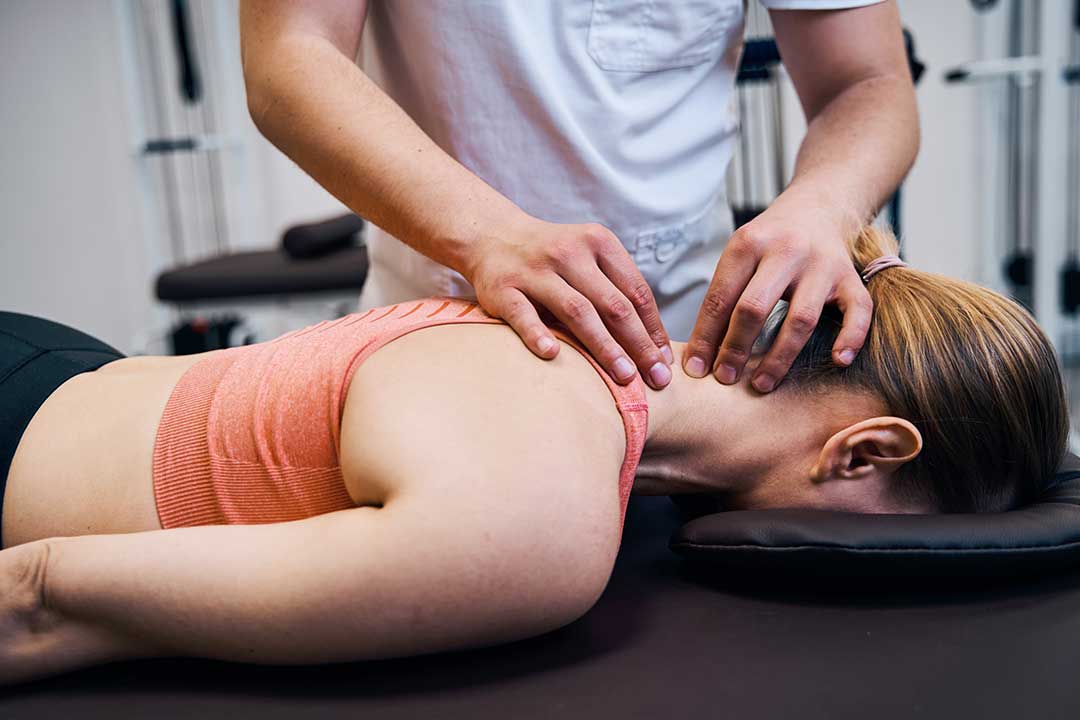
Stretching should feel mild, not sharp or aggressive. Strong pressure on a painful area can irritate an already sensitive muscle and may worsen symptoms. Over-the-counter pain medicines may help some people, but they are not appropriate for everyone. Medical conditions, pregnancy, allergies, kidney disease, stomach ulcers, and medication interactions can affect whether these products are safe.
When should muscle pain be evaluated?
Muscle pain that is severe, unexplained, recurrent, or not improving with reasonable self-care should be evaluated. An examination may be especially appropriate when pain lasts beyond several days, repeatedly returns, or interferes with sleep, work, walking, or normal movement.
Prompt medical attention is warranted for muscle pain accompanied by:
- Fever, redness, warmth, or significant swelling
- A new rash or recent tick bite
- Progressive weakness or inability to move a body part
- Numbness or loss of coordination
- Dark urine after intense exercise
- Shortness of breath, difficulty swallowing, or chest symptoms
- A major fall, collision, or other traumatic injury
- Severe neck stiffness with fever or a severe headache
These signs may point to infection, nerve involvement, circulation problems, a significant injury, medication effects, or another condition that is not simply a trigger point.
How can recurring trigger points be prevented?
Prevention usually focuses on the pattern that keeps irritating the muscle. Helpful habits include building strength gradually, taking movement breaks, adjusting work surfaces, using safe lifting techniques, and allowing recovery between demanding activities.
For people who spend long periods seated, brief movement breaks throughout the day may be more useful than one long stretch at night. During outdoor chores, alternating tasks, avoiding sudden heavy lifting, and taking breaks can reduce strain. Exercise should progress gradually, particularly after illness, inactivity, or an injury.
Trigger points are common, but they should not be used as a catch-all explanation for every ache. A careful look at the pain’s location, timing, triggers, associated symptoms, and response to movement provides a more reliable guide to what may be happening.
