
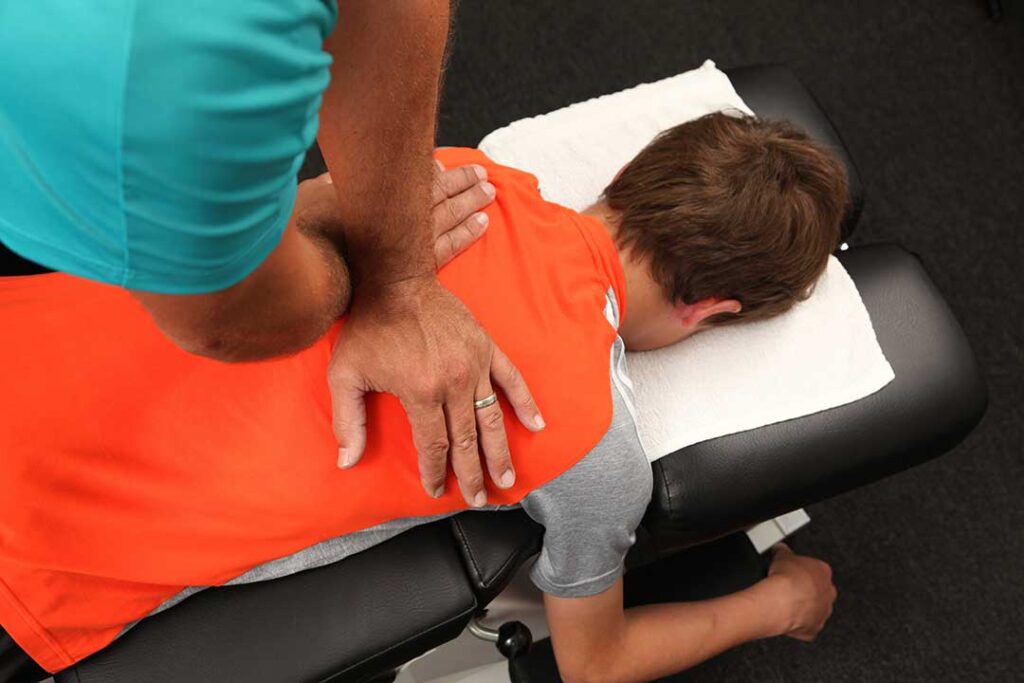
Aging well is less about avoiding every ache or limitation and more about preserving mobility, balance, strength, and independence. Chiropractic care may support these goals for some adults when it is used as part of a broader plan that includes physical activity, medical care, sleep, nutrition, and fall prevention.
Chiropractic care does not stop the aging process, rebuild damaged joints, or treat every cause of pain. Its most useful role is often helping people manage certain musculoskeletal problems so they can keep moving safely and participate in daily activities.
What does healthy aging involve?
Healthy aging means maintaining the ability to do meaningful daily tasks as safely and independently as possible. That may include walking to nearby destinations, climbing stairs, carrying groceries, gardening, caring for family members, or remaining active at home.
Several physical abilities contribute to independence:
- Joint mobility
- Muscle strength
- Balance and coordination
- Walking endurance
- Flexibility
- Confidence with movement
- Recovery after minor strains or periods of inactivity
Some changes, such as reduced muscle mass, slower reaction time, and stiffer joints, become more common with age. They are not reasons to stop moving. Inactivity can lead to further weakness, reduced balance, and greater difficulty completing ordinary tasks.
How can chiropractic care support mobility?
Chiropractic care commonly focuses on the muscles, joints, and nervous system as they relate to movement. Depending on a person’s condition, care may include spinal or joint manipulation, gentle mobilization, soft-tissue techniques, movement education, and recommendations for activity.
For an older adult with uncomplicated mechanical back pain, neck stiffness, or joint-related discomfort, these approaches may help improve comfort and movement in the short term. Better comfort can make it easier to walk, perform strengthening exercises, change positions, or complete household activities.
The goal should not be simply to “put something back in place.” A more practical goal is to improve function: standing with less difficulty, turning the head while driving, getting up from a chair, or walking without guarding every movement.
Results vary. Chiropractic care is not appropriate for every condition, and relief from pain does not necessarily mean that an underlying disease has been corrected.
Can it help with balance and fall prevention?
Chiropractic care may contribute indirectly to fall prevention by addressing pain, stiffness, or restricted movement that affects walking and posture. However, spinal adjustments alone should not be considered a complete fall-prevention program.
Balance depends on many systems, including vision, inner-ear function, leg strength, sensation in the feet, reaction time, medications, and the safety of the home environment. A thorough approach may include:
- Leg and hip strengthening
- Balance exercises performed near a stable support
- Walking practice appropriate to current ability
- Vision and hearing checks
- Review of medicines that may cause dizziness or drowsiness
- Better lighting and clearer walking paths at home
- Secure railings and properly fitted footwear
Seasonal conditions can also affect safety for residents in Lynbrook. Wet leaves, winter precipitation, uneven sidewalks, and slippery entryways can make a previously manageable balance problem more hazardous. Planning for these conditions is often more useful than relying on pain relief alone.
Which older adults should use extra caution?
Older adults may have osteoporosis, arthritis, spinal stenosis, previous fractures, blood-thinning medication, recent surgery, or neurological conditions. These factors do not automatically rule out chiropractic care, but they do affect what techniques and levels of force may be appropriate.
A careful health history should include current symptoms, past injuries, surgeries, medications, diagnosed bone conditions, and changes in balance or strength. Gentle approaches may be considered when forceful techniques are unsuitable.
Certain symptoms need medical evaluation rather than routine musculoskeletal care. These include:
- New weakness or numbness in an arm or leg
- Loss of bladder or bowel control
- Severe or rapidly worsening pain
- Fever, unexplained weight loss, or unusual fatigue
- Pain after a significant fall or collision
- New confusion, fainting, or severe dizziness
- A sudden severe headache or difficulty speaking

These signs may point to a neurological, infectious, vascular, or fracture-related problem.
Does chiropractic care replace exercise?
No. Exercise is one of the central supports of healthy aging, and passive treatment cannot replace strength, balance, and aerobic activity.
A useful weekly routine may combine walking or another moderate activity with strength exercises and balance practice. The appropriate amount depends on health status, experience, medications, and current fitness. Someone who has been inactive may begin with short, manageable periods and increase gradually.
Examples of functional exercises include repeated chair stands, supported heel raises, step practice, resistance-band exercises, and gentle mobility work. Movements should be controlled and should not cause sharp pain, marked shortness of breath, chest pain, faintness, or new neurological symptoms.
Chiropractic care may be most helpful when it supports a person’s ability to participate in these activities rather than becoming the activity itself.
What should residents ask before beginning care?
Older adults can ask practical questions before receiving treatment:
- What condition is being addressed?
- What improvement should be expected, and over what period?
- Which techniques are being considered?
- Are gentler options available?
- How will progress be measured?
- What exercises or daily activities are appropriate?
- What symptoms would require medical evaluation?
- How does the plan account for osteoporosis, medications, surgery, or fall history?
A useful plan should be understandable and should connect treatment to specific functional goals. For example, “walk for 15 minutes with less back discomfort” is more meaningful than a vague promise to improve alignment.
What is the broader role of chiropractic care in aging?
Chiropractic care can be one part of an age-supportive movement plan, particularly for selected muscle and joint complaints. Its value is greatest when it encourages safe activity, respects medical conditions, and focuses on practical function.
Healthy aging also depends on primary medical care, bone-health assessment when appropriate, nutritious food, adequate sleep, social connection, and attention to mood and cognition. Persistent or unexplained symptoms should not be attributed automatically to normal aging.
The most useful question is not whether chiropractic care can reverse aging. It is whether a specific, appropriately cautious approach can help an individual move more comfortably and safely while maintaining the activities that support independence.
