

Back pain can make the first few minutes of the morning feel more difficult than the rest of the day. A stiff or painful back often reacts poorly to sudden twisting, sitting straight up, or standing quickly. The safest approach is to move in stages, keep the spine supported, and use symptoms as a guide.
What is the safest way to get out of bed with back pain?
The safest general method is to roll onto your side, move your legs over the edge of the bed, and use your arms to push your upper body upright. This keeps the shoulders, hips, and spine moving together instead of forcing the lower back to twist.
Try this sequence:
1. Pause before moving. Take a few slow breaths and notice whether the pain is centered in the back or travels into the buttock or leg.
2. Bend your knees slightly. This reduces tension through the lower back.
3. Roll onto your side as one unit. Keep your shoulders and hips moving together rather than rotating the waist separately.
4. Slide both legs toward the edge of the bed.
5. Push up with your arms. At the same time, let your legs lower toward the floor.
6. Sit briefly. Keep both feet supported and avoid bending forward to pull on socks or reach for something.
7. Stand using your legs. Push through the feet and thighs, keeping the torso relatively straight.
If the bed is very low, standing may require more effort from the hips and knees. A firm chair or stable bedside surface can provide support, but it should not be used if it slides, tips, or is not designed to bear weight.
Why does sitting straight up hurt the back?
Sitting straight up from a flat position requires the abdominal and hip muscles to work suddenly while the lower back bends under load. When the back is irritated, that movement can produce a sharp pull or spasm.
The side-roll method distributes the movement across the arms, legs, hips, and trunk. It does not guarantee that pain will disappear, but it usually avoids the abrupt combination of bending and twisting that aggravates many episodes of low back pain.
A common misconception is that the back must remain perfectly rigid. Excessive bracing can make movement feel more difficult. Controlled, gradual motion is generally more useful than holding the entire body stiff.
What should be done before standing?
A few gentle movements may help reduce the feeling of being “stuck,” especially after several hours in one position. These should be comfortable and should not cause leg weakness, increasing numbness, or sharp radiating pain.
While still lying down, a person may try:
- Slowly bending and straightening one knee at a time
- Taking several relaxed breaths while allowing the abdominal muscles to soften
- Gently moving the ankles up and down
- Rolling to the side without forcing the range of motion
Once seated, place both feet on the floor and wait a moment. If the room feels unsteady or the pain is intense, remain seated and ask for assistance rather than trying to walk immediately.
A warm shower may loosen morning stiffness for some people. Others prefer a wrapped cold pack for a short period after a recent strain. Heat or cold should be comfortable, and neither should be applied directly to the skin.
Should a person stay in bed with back pain?
Usually, prolonged bed rest is not helpful for ordinary low back pain. Remaining still for much of the day can increase stiffness, reduce strength, and make the next attempt to move more difficult.
Short periods of rest are reasonable when pain is severe, but gentle activity is generally preferable as symptoms allow. A brief walk around the home, light household movement, or changing positions regularly may be more useful than spending the entire morning in bed.
Local routines can affect this pattern. In colder months, a chilly bedroom or damp clothing after walking outdoors may make muscles feel tighter, while long periods of sitting during commuting, desk work, or household tasks can add to stiffness. Warming up gradually and changing position throughout the day may help prevent the first movement of the morning from becoming the most demanding one.
How should someone bend, dress, or pick things up after getting out of bed?
The first hour of the day is a poor time for sudden lifting. Avoid bending at the waist to pick up laundry, lift a child, move a pet, or reach into a low drawer immediately after standing.
Instead:
- Bring objects closer before lifting.
- Bend through the hips and knees rather than rounding the lower back.
- Keep the item close to the body.
- Turn with the feet instead of twisting while carrying something.
- Sit on a firm chair to put on socks or shoes.
- Avoid lifting while the back is already in a painful spasm.
A mattress that sags significantly, a pillow that forces the neck into an awkward angle, or sleeping in one position for many hours may contribute to morning discomfort. However, replacing bedding is not always the first solution. The pattern of symptoms, daytime activity, strength, and sleeping position all matter.
Does back pain that travels down the leg require extra caution?
Yes. Pain that travels from the lower back into the buttock or leg may involve irritation of a spinal nerve. Numbness, pins-and-needles sensations, or weakness deserve more caution than localized muscle soreness.
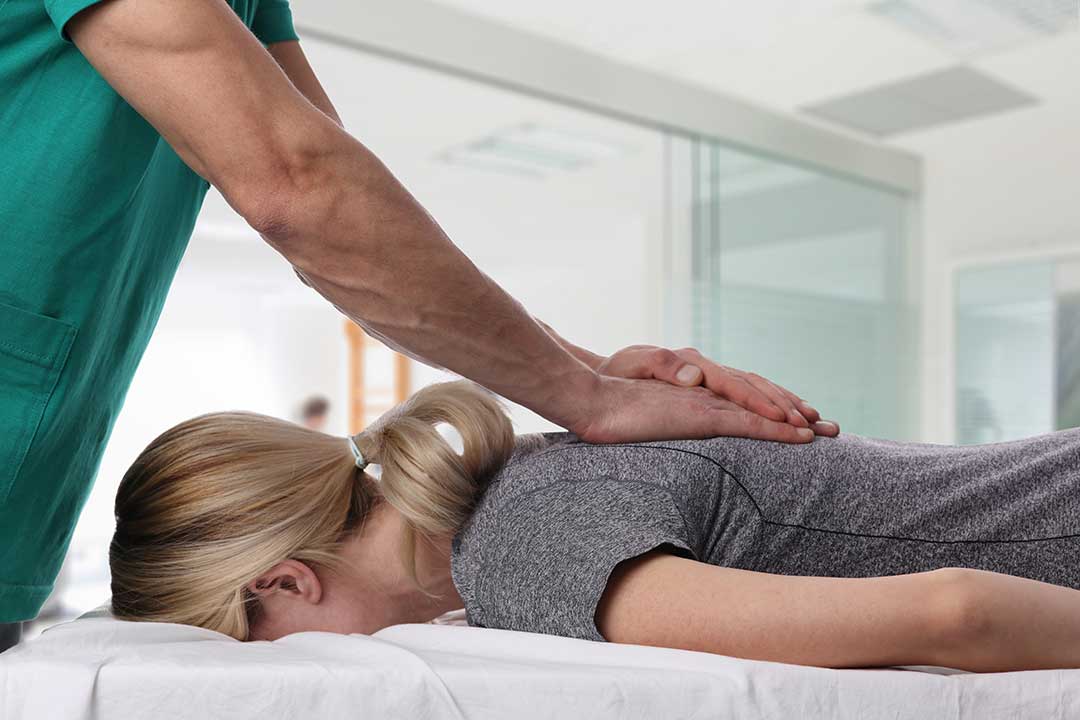
Stop an exercise or movement if it causes symptoms to spread farther down the leg, increases numbness, or produces new weakness. A chiropractor may assess movement and musculoskeletal causes, but symptoms involving significant nerve changes should also be evaluated medically. The appropriate type of care depends on the examination and the person’s health history.
When is morning back pain an urgent problem?
Seek urgent medical evaluation for back pain accompanied by:
- New loss of bladder or bowel control
- Difficulty urinating
- Numbness around the inner thighs, genitals, or buttocks
- Weakness or numbness in both legs
- Severe pain after a fall, collision, or other injury
- Fever, chills, or feeling acutely unwell
- Rapidly worsening pain
- Unexplained weight loss or a history of cancer
Back pain that does not begin improving over several weeks, repeatedly disrupts sleep, or prevents normal daily activities also deserves a clinical evaluation. New pain in someone with osteoporosis, long-term steroid use, or another condition affecting bone strength should not be dismissed as ordinary stiffness.
For many residents, the most useful morning habit is simple: roll, sit, pause, stand, and walk gradually. The goal is not to force the back into a particular position, but to reduce sudden strain while identifying symptoms that need more careful attention.
