
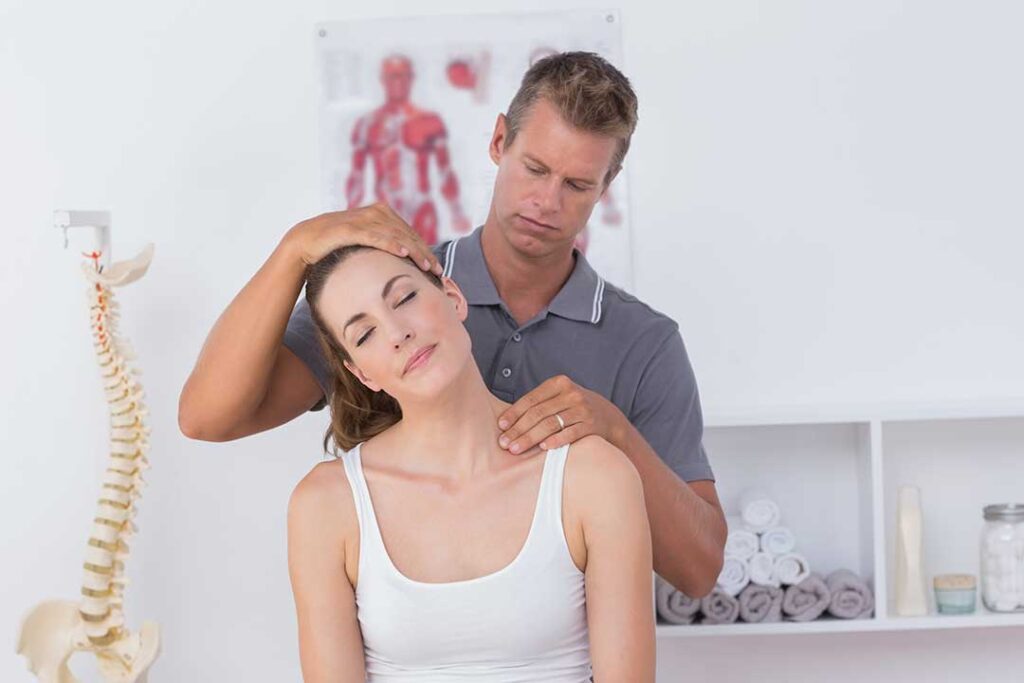
Clicking, popping, or grinding sounds in the neck are common and often harmless, especially when they occur without pain or other symptoms. The medical term for joint noise is crepitus, and it can come from normal pressure changes, moving tendons, tight muscles, or age-related changes in the joints.
Why does the neck click when it moves?
Most neck sounds come from structures that shift as the head turns, tilts, or looks up and down. The sound may originate from the small joints between the neck bones, nearby muscles and tendons, or the soft tissues surrounding the spine.
Common explanations include:
- Pressure changes inside a joint: Small gas bubbles can form or shift in joint fluid, creating a pop or crack.
- Tendons or ligaments moving: A tight tendon or ligament may glide over nearby bone and produce a snapping sound.
- Joint surface changes: Mild wear in the small neck joints can cause rougher clicking, grinding, or crackling.
- Muscle tightness: Tense muscles can change how the neck moves, making sounds more noticeable.
- Recent strain or injury: A sudden movement, fall, collision, or prolonged awkward position can alter normal neck motion.
A click by itself does not show exactly what is happening inside the neck. The sound’s timing, location, frequency, and relationship to pain or movement are more useful clues.
Is neck clicking a sign of arthritis?
Sometimes, but not always. Arthritis and other age-related changes can contribute to clicking or grinding, particularly when the sound is accompanied by stiffness, reduced motion, or discomfort. However, many people have neck noises without significant arthritis or damage.
Neck joints naturally experience repeated movement throughout the day. Years of computer use, driving, physical work, sports, and ordinary aging may make joint sounds more noticeable. That does not automatically mean the neck is deteriorating or that treatment is required.
A rough grinding sensation that is new, persistent, or painful deserves more attention than an occasional painless pop.
Can poor posture or daily habits cause clicking?
Posture usually does not create a serious neck problem by itself, but it can increase muscle tension and change movement patterns. Looking down at a phone, working at a laptop, reading in bed, or driving for long periods may leave the head positioned forward and the upper back rounded.
In homes and workplaces around Lynbrook, seasonal routines can also affect symptoms. Cold weather may encourage people to spend more time indoors, while heating systems, heavier clothing, and reduced outdoor activity can contribute to stiffness or less frequent movement. These factors may make clicking more noticeable without being the underlying cause of a serious condition.
Helpful habits include:
- Raise screens closer to eye level rather than repeatedly bending the head down.
- Change positions regularly instead of holding the neck still for long periods.
- Keep shoulders relaxed while using a phone or computer.
- Use gentle range-of-motion movements rather than forcing a stretch.
- Support the upper back when sitting for extended periods.
- Avoid sleeping with the neck sharply bent or rotated.
Is it safe to crack your own neck?
Occasional natural popping during ordinary movement is generally different from forcefully twisting or pulling the neck to make it crack. Repeated, forceful self-manipulation can strain muscles and ligaments, irritate a nerve, or worsen an existing problem.
A person who feels compelled to crack the neck frequently may be responding to stiffness, muscle tension, poor movement habits, or pain. The sound may provide temporary relief without addressing the reason the neck feels uncomfortable.
Do not force the neck into a fast or extreme rotation. Sudden, aggressive movements are especially inappropriate after an injury or when symptoms travel into an arm.
When is neck clicking more concerning?
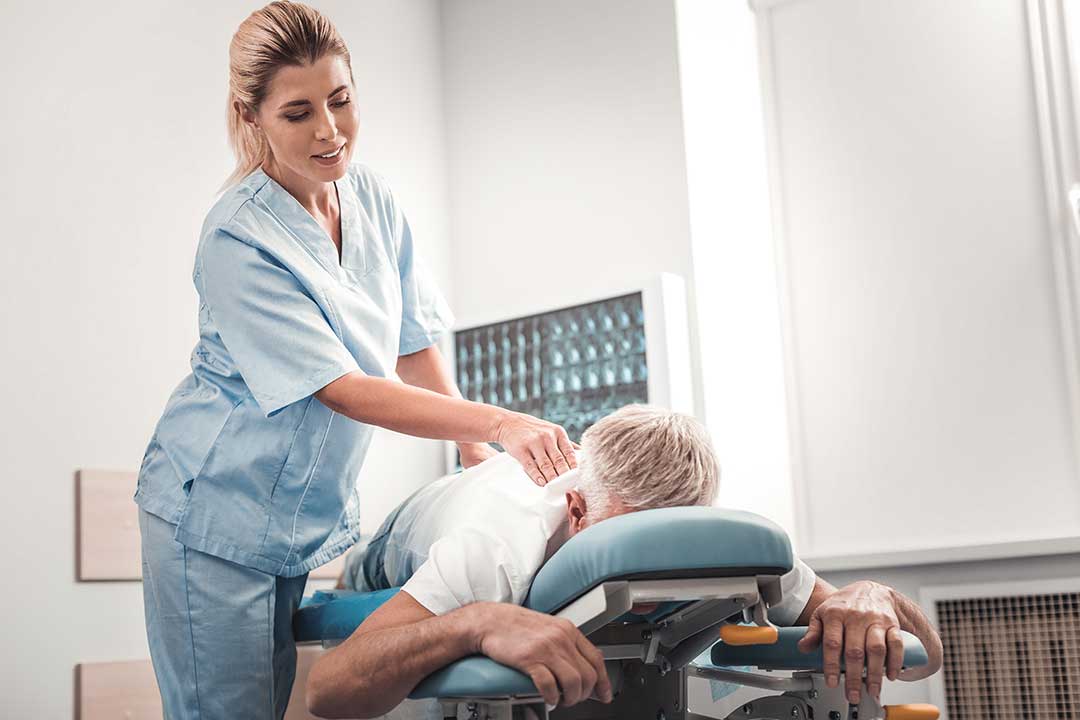
Clicking is more significant when it occurs with pain, swelling, stiffness, weakness, numbness, or a noticeable change in movement. These symptoms can indicate irritation of a joint, muscle, disc, or nerve rather than a harmless joint sound.
Arrange medical evaluation if clicking is:
- Persistent and increasingly painful
- Associated with reduced neck movement
- Accompanied by pain spreading into the shoulder, arm, or hand
- Associated with tingling, numbness, or weakness
- Present after a fall, collision, sports injury, or other trauma
- Accompanied by frequent headaches, balance changes, or coordination problems
A healthcare professional may assess posture, strength, reflexes, sensation, and neck movement. Imaging is not automatically needed for every clicking neck. It is usually considered based on the examination, injury history, duration, and accompanying symptoms.
When should neck symptoms be treated as urgent?
Seek urgent medical attention after a serious injury or when severe neck pain occurs with weakness, trouble walking, loss of coordination, or numbness affecting an arm or leg. Severe neck stiffness with fever, confusion, or a significant headache also requires prompt evaluation.
A sudden severe headache or unusual neurological symptoms after forcefully twisting or cracking the neck should not be ignored. Although uncommon, blood-vessel injuries and other serious conditions can sometimes begin with sudden neck pain and neurological changes.
What can residents do at home?
For mild clicking without warning signs, the most useful approach is usually gentle movement and observation rather than trying to eliminate every sound. Heat may relax tight muscles, while a wrapped cold pack may help after a recent minor strain. Neither should be applied directly to the skin or for prolonged periods.
Gentle turning, tilting, and chin-tucking movements can help maintain comfortable motion, but exercise should stop if it causes sharp pain, radiating symptoms, dizziness, or increased numbness. Medication decisions should account for other health conditions and should follow label directions or guidance from a qualified healthcare professional.
Keeping track of when the clicking occurs can also help. Note whether it appears during computer work, after waking, while driving, during exercise, or only at a particular angle. This information can help distinguish a painless movement sound from a developing mechanical or nerve-related problem.
Does clicking mean the neck needs to be “put back in place”?
No. A clicking sound does not prove that a vertebra is out of alignment. The neck is a complex region made of joints, discs, muscles, ligaments, and nerves, and sound alone cannot identify a specific problem.
The goal of care should be comfortable movement, safe function, and an accurate understanding of symptoms—not producing a particular cracking sound. Persistent or painful symptoms deserve an individualized examination rather than repeated forceful adjustments or self-treatment based only on noise.
