
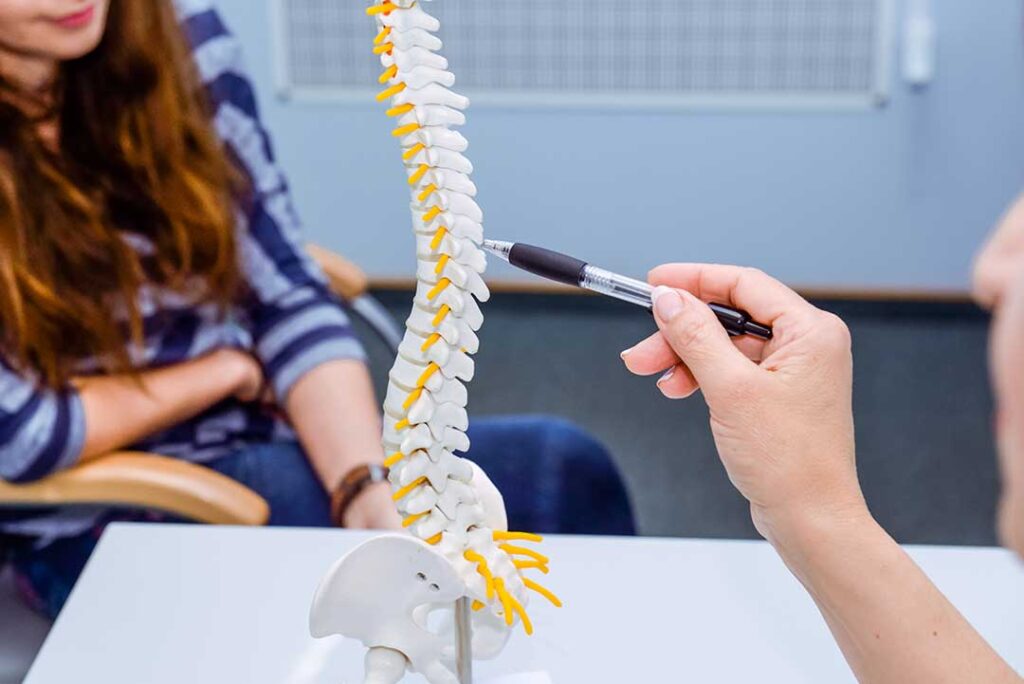
Daily chores can place more stress on the spine than expected. Repeated bending, reaching, lifting, twisting, pushing, and standing in one position may irritate the muscles and joints of the back, especially when tasks are done quickly or with an awkward load.
For residents of Lynbrook, NY, household routines may include carrying laundry on stairs, moving seasonal storage bins, clearing outdoor areas, shoveling after winter weather, gardening, and maintaining compact indoor and outdoor spaces. The goal is not to avoid these activities, but to organize them in ways that reduce unnecessary strain.
What makes an ordinary chore risky for the back?
The greatest risk usually comes from a combination of factors rather than weight alone. A relatively light object can become difficult to handle if it is far from the body, lifted from the floor, carried up steps, or moved while the torso is twisted.
Common stress factors include:
- Bending forward repeatedly
- Reaching above shoulder height
- Turning while carrying an object
- Lifting with one hand
- Holding a load away from the body
- Working in a crouched or kneeling position for a long time
- Repeating the same motion without breaks
- Pushing or pulling an object that catches on the ground
Fatigue also matters. As muscles tire, posture and coordination often become less precise. A task that felt manageable at the beginning may become risky near the end.
How should a person lift a household object?
Prepare before lifting. Clear the path, check whether the object is stable, and decide where it will be placed. If the load is bulky, difficult to grip, or too heavy to manage comfortably, reduce its size or use assistance rather than forcing the lift.
A safer lifting sequence is:
- Stand close to the object with feet about shoulder-width apart.
- Bend through the hips and knees rather than folding sharply at the waist.
- Keep the chest facing the object.
- Grip it securely with both hands when possible.
- Bring the object close to the body before standing.
- Rise smoothly without jerking.
- Turn by moving the feet instead of twisting the trunk.
- Set the object down by bending the hips and knees again.
“Lift with your legs” is useful advice, but it does not mean the back should remain rigid or that the legs can safely handle any weight. The load, distance, shape, repetition, and available space all affect the level of risk.
What is the safest way to handle laundry, groceries, and storage bins?
For laundry, avoid carrying an overfilled basket against one hip. A smaller load carried close to the body is usually easier to control. If stairs are involved, keep one hand available for the railing and make more than one trip when needed.
Grocery bags should be distributed between both hands when practical. Several lighter bags are generally easier to manage than one heavy bag. Keep the weight close to the sides of the body, avoid swinging the bags, and pause before climbing stairs if grip or balance is becoming difficult.
Storage bins are often awkward because they are large even when not especially heavy. Before lifting one from a low shelf, slide it toward the edge, squat or kneel with support, and bring it close before standing. Avoid lifting a bin while reaching forward with straight arms.
For objects stored overhead, do not stretch from the floor while holding weight. Use a stable step platform designed for that purpose, keep the object close, and avoid placing heavy items above shoulder level.

How can cleaning chores be easier on the spine?
Vacuuming, mopping, changing bedding, and cleaning a bathtub often involve long periods of reaching and bending. Adjust the handle so the tool can be used with a mostly upright posture. Move the feet with the tool instead of repeatedly twisting from the waist.
When cleaning low surfaces, alternate between kneeling, squatting, and sitting on a stable low seat rather than remaining bent forward. Place frequently used supplies where they can be reached without repeated deep bending.
Changing sheets can be particularly demanding because the mattress requires reaching across and pulling against resistance. Walk around the bed when possible, lift one corner at a time, and avoid twisting while tugging a fitted sheet into place.
A short pause every several minutes can help prevent fatigue. Changing position is often more useful than trying to maintain one “perfect” posture for an extended period.
What should residents know about outdoor chores and winter tasks?
Outdoor work combines uneven surfaces, bending, carrying, and unpredictable resistance. In a dense residential area such as Lynbrook, narrow walkways, steps, parked vehicles, fences, and limited storage space may make it harder to position the body safely.
For gardening, bring the work closer rather than repeatedly reaching forward. Use a kneeling pad or stable seat, switch sides periodically, and avoid twisting while pulling weeds or moving soil. Divide soil, mulch, leaves, and debris into smaller containers.
Snow and ice can increase both strain and fall risk. Before moving snow, clear footwear and choose a stable stance. Push small amounts forward when possible instead of lifting a full shovel. If lifting is necessary, keep the shovel load modest, hold it near the body, and avoid throwing snow over the shoulder or twisting to the side.
Do not rush outdoor chores after precipitation. A slippery surface changes the demands on the back because the body must work harder to maintain balance.
Is bending itself harmful?
No. Bending is a normal movement, and occasional bending does not automatically injure the spine. Problems are more likely when bending is combined with a heavy load, twisting, repetition, sudden force, or fatigue.
It is also unnecessary to keep the back perfectly straight during every chore. A more practical goal is to vary positions, stay within a comfortable range, move smoothly, and avoid holding one awkward posture for too long.
Protective movement is less about finding one flawless technique and more about reducing the total amount of force and repetition placed on the body.
When should back pain after chores be taken seriously?
Mild soreness may improve with relative rest, gentle movement, and avoiding the activity that caused the irritation. Prolonged bed rest can make stiffness worse for many people, so comfortable light activity is often preferable if it does not increase symptoms.
Seek prompt medical evaluation for back pain accompanied by significant weakness, numbness that spreads into a leg, loss of bladder or bowel control, numbness around the inner thighs or groin, fever, unexplained weight loss, or pain after a serious fall or impact. New or worsening symptoms should not be ignored.
For recurring discomfort, pay attention to the task pattern. Pain that repeatedly appears after lifting laundry, shoveling, cleaning, or gardening may indicate that the load, technique, workspace, or schedule needs to be changed.
A practical daily approach
Before starting a chore, ask three questions: Can the load be made smaller? Can the task be brought closer to waist height? Can the movement be changed so that twisting, reaching, or repeated bending is reduced?
Those adjustments often provide more protection than relying on willpower or a back brace. Planning the task, changing positions, taking brief breaks, and respecting early signs of fatigue can help household work remain manageable throughout the year.
