

Why sports-related back injuries happen
Sports-related back injuries often develop from repeated stress rather than a single dramatic accident. Sudden twisting, poor landing mechanics, muscle fatigue, limited hip mobility, and increasing training volume can all place extra strain on the muscles, joints, discs, and ligaments of the spine.
Athletes in Lynbrook, NY may move between outdoor fields, school gyms, courts, and home workouts throughout the year. Seasonal changes can affect preparation: cold muscles may feel stiffer during winter activity, while heat and humidity can contribute to fatigue during summer practices. A safe routine should account for both the sport and the environment.
Common back problems include:
- Muscle strains from lifting, sprinting, or forceful rotation
- Irritation caused by repeated extension, such as in gymnastics or certain swimming strokes
- Lower-back stress related to poor landing or jumping technique
- Overuse pain from practicing too often without adequate recovery
- Pain that begins in the back but is influenced by tight hips, weak abdominal muscles, or limited movement in the upper back
What should athletes do before practice or competition?
A gradual warm-up is more useful than beginning with intense stretching or full-speed drills. Spend about 10 to 15 minutes increasing body temperature and rehearsing the movements used in the sport.
A practical warm-up may include:
- Easy jogging, brisk walking, or cycling
- Controlled side steps and backward movement
- Arm swings and gentle trunk rotations
- Bodyweight squats or lunges
- Sport-specific movements performed at reduced speed
- A few progressively harder practice repetitions
Static stretching, in which a position is held for an extended period, may be more appropriate after activity or during a separate flexibility session. Before competition, dynamic movements that resemble the sport are usually easier to integrate into a warm-up.
A warm-up should not create sharp pain, numbness, or a feeling of instability. Those symptoms are reasons to stop and reassess rather than push through.
How can strength training reduce back strain?
A strong back is helpful, but the goal is not to isolate the lower back. The spine functions with the hips, pelvis, abdominal muscles, shoulders, and legs. Balanced conditioning improves the body’s ability to control force during running, jumping, contact, and rotation.
Useful training categories include:
- Core endurance: Exercises such as dead bugs, bird dogs, side planks, and controlled bridges can teach the torso to remain stable.
- Hip and leg strength: Squats, split squats, step-ups, and hip hinges help transfer work away from the lower back.
- Upper-back strength: Rows and other pulling exercises support posture and control during throwing, swimming, and contact sports.
- Mobility: Gentle work for the hips, ankles, and upper back can reduce the tendency to compensate through the lumbar spine.
Technique matters more than the amount of weight. During lifting, keep the load close to the body, bend through the hips and knees, and avoid twisting while carrying something heavy. Young athletes should learn movement patterns before adding resistance or intensity.
How quickly should training increase?
Training loads should rise gradually. A sudden increase in practice time, running distance, weight lifted, or competitive games can overwhelm tissues that have not had time to adapt.
This is especially relevant after:
- A long break from organized sports
- An illness or period of inactivity
- A change to a larger or more demanding league
- A new position that requires different movements
- A tournament, camp, or stretch of multiple games
Increasing only one major factor at a time can make problems easier to identify. For example, adding distance and speed in the same week may make it difficult to determine which change triggered pain. Coaches, parents, and athletes should also distinguish normal muscle tiredness from pain that alters movement.
Does hydration affect back injury risk?
Hydration does not directly prevent every back injury, but dehydration and heat stress can contribute to fatigue, reduced coordination, and poor technique. As an athlete tires, the muscles that stabilize the trunk may respond more slowly, increasing the likelihood of awkward lifting, landing, or contact.
Drink regularly before and during activity, particularly during warm, humid weather. Outdoor athletes should have access to water and planned breaks rather than waiting until thirst becomes intense. Practices may need adjustment during hot conditions, especially for younger athletes or anyone returning after time away.
Adequate meals and sleep also support recovery. A tired athlete may have slower reactions and less control even when strength and flexibility are otherwise adequate.
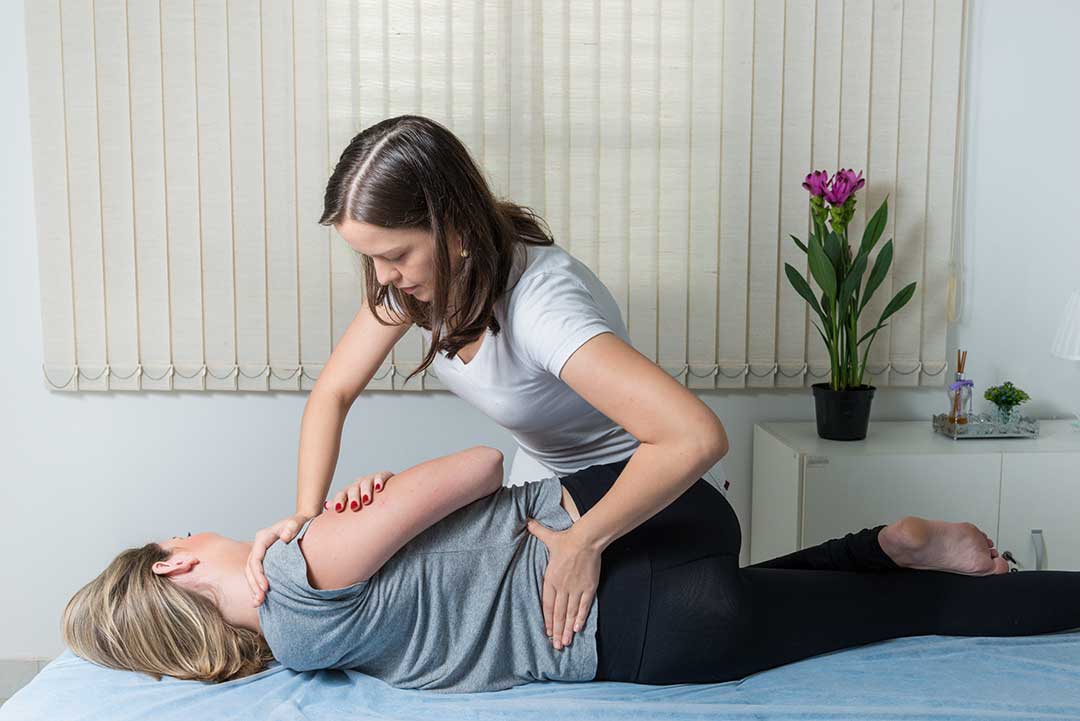
What technique mistakes commonly cause back pain?
Back pain often reflects how a movement is performed, not simply the movement itself. Common examples include:
- Landing with the trunk leaning sharply forward or to one side
- Rotating forcefully while the feet remain planted
- Lifting with a rounded back and straight legs
- Arching the lower back excessively during overhead movements
- Continuing a drill after fatigue has changed posture
- Repeating one-sided movements without conditioning the opposite side
The remedy is not always to avoid bending, twisting, or arching. These movements are normal parts of many sports. The safer approach is to develop control, use appropriate speed, and build strength for the demands of the activity.
Video review can sometimes reveal movement changes that an athlete does not feel. A coach or qualified clinician may help identify whether the issue involves foot placement, hip control, trunk stability, or timing.
How should athletes respond to early warning signs?
Mild soreness after unfamiliar activity may improve with rest and gentle movement. Pain that grows during practice, causes limping, changes technique, or continues into daily activities deserves more attention.
Stop the activity and seek medical evaluation promptly for:
- Numbness, tingling, or weakness in an arm or leg
- Pain traveling down the leg
- Loss of bladder or bowel control
- Severe pain after a collision or fall
- Fever, unexplained weight loss, or feeling unusually ill
- Back pain that is worsening or does not improve with reasonable rest
Athletes should not use pain medication to mask symptoms and then return to full activity without addressing the cause. A gradual return is generally safer than moving directly from rest to competition.
When is it safe to return to sports?
Return should be based on function rather than a calendar date. An athlete should be able to walk, bend, rotate, jog, and perform sport-specific drills without significant pain or compensatory movement. Strength and coordination should also be close to normal.
A staged return may begin with low-intensity practice, followed by more demanding drills, limited contact or competition, and finally full participation. If symptoms return at any step, reduce the workload and reassess.
For children and teenagers, back pain should not be dismissed as a normal part of growth. Persistent, recurring, or activity-limiting pain deserves evaluation, particularly when the athlete participates in repetitive extension or rotation activities.
How can households in Lynbrook support safer sports habits?
The home environment can reinforce injury prevention without making it complicated. Keep a regular sleep schedule during busy seasons, prepare water and appropriate meals before practices, and avoid packing several intense activities into the same day whenever possible.
During colder months, allow extra time for gradual warm-up before outdoor exercise. During hot or humid weather, plan breaks and pay attention to unusual fatigue, dizziness, headache, or confusion. These signs require stopping activity and addressing possible heat illness.
The most reliable prevention strategy is consistent preparation: build strength gradually, practice sound technique, recover between hard sessions, and respond early when pain changes how the body moves.
