

Arthritis can make ordinary activities—walking, climbing stairs, opening jars, or standing for long periods—more difficult. The most useful approach is usually not a single treatment, but a combination of movement, joint protection, strength-building, symptom monitoring, and appropriate medical care.
For residents in Lynbrook, NY, seasonal changes can also affect daily routines. Cold temperatures may increase stiffness for some people, while snow, ice, wet sidewalks, and uneven surfaces can raise the risk of slips and joint strain. A thoughtful plan can help maintain mobility without pushing painful joints too hard.
What type of arthritis is causing the symptoms?
The first step is identifying the type of arthritis. Osteoarthritis commonly affects the knees, hips, hands, spine, and other joints through gradual changes in cartilage and surrounding tissues. Rheumatoid arthritis, psoriatic arthritis, gout, and other inflammatory conditions require different forms of evaluation and treatment.
Common osteoarthritis symptoms include:
- Aching or soreness after activity
- Stiffness after sitting or sleeping
- Reduced range of motion
- Swelling or tenderness
- Pain that varies with activity and rest
Symptoms such as prolonged morning stiffness, warmth and redness in several joints, unexplained fatigue, fever, or rapidly increasing swelling should not be assumed to be ordinary “wear and tear.” These signs may point to inflammatory arthritis or another condition that needs medical evaluation.
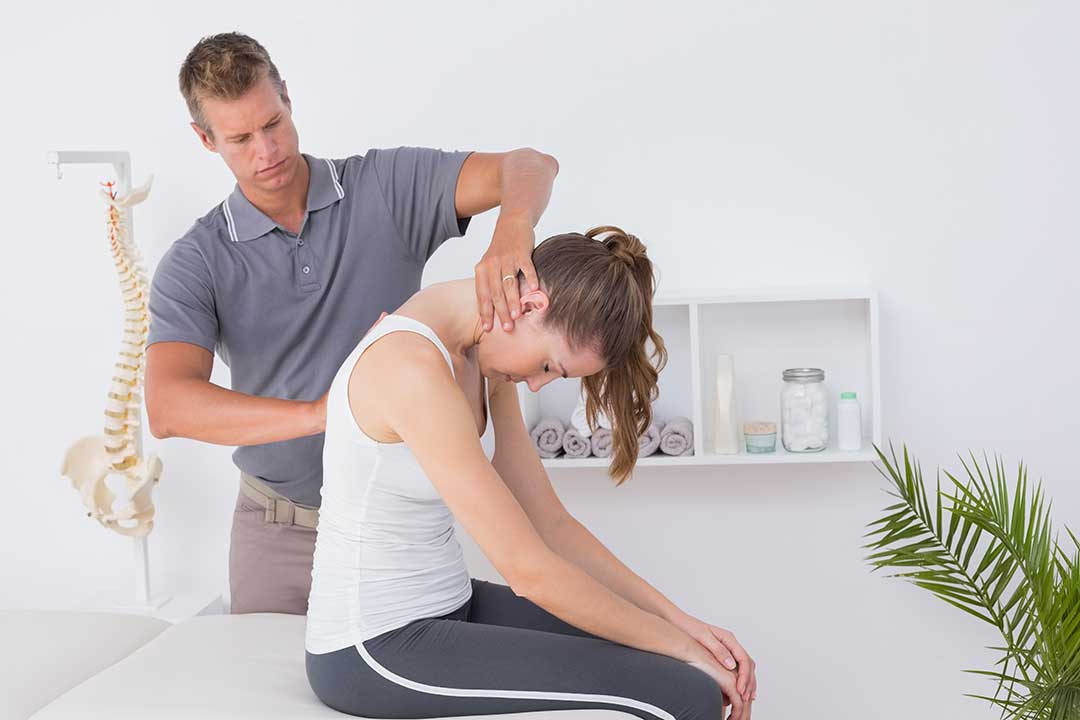
A chiropractor may assess movement, posture, muscle balance, and how the spine or nearby joints contribute to discomfort. That assessment does not replace diagnosis by a physician or other qualified medical provider, especially when symptoms are new, widespread, or worsening.
Can chiropractic care help arthritis pain?
Chiropractic care may help some people move more comfortably by addressing restricted motion, muscle tension, spinal mechanics, and movement habits. Treatment is generally most appropriate when it is gentle, individualized, and combined with active self-care.
For arthritis, the goal should not be to “put cartilage back” or reverse joint degeneration. No manual technique can restore worn cartilage. A more realistic goal is improving functional movement, reducing protective muscle tension, and helping a person participate in exercise and daily activities.
Depending on the affected area, care may include:
- Gentle mobilization rather than forceful manipulation
- Soft-tissue techniques for tense muscles
- Mobility exercises for the spine or nearby joints
- Strengthening for muscles that support painful joints
- Guidance on posture, lifting, walking, or work habits
- Recommendations for pacing activities during flare-ups
People with osteoporosis, spinal instability, recent fractures, advanced joint disease, bleeding disorders, or certain neurological conditions may need modified care or medical clearance before manual treatment. Neck manipulation also deserves particular caution because it is not appropriate for everyone.
What exercises are safest for arthritic joints?
Movement is usually helpful, even though complete rest can feel appealing during a painful period. Regular physical activity can reduce stiffness, improve strength, support balance, and make daily tasks easier.
Start with activities that create little impact on the joints:
- Walking at a comfortable pace
- Stationary cycling
- Water exercise or swimming
- Gentle range-of-motion exercises
- Tai chi or balance practice
- Light resistance-band exercises
- Short stretching sessions
A practical starting point may be five to ten minutes of movement once or twice a day. The duration can increase gradually if symptoms remain manageable. People do not need to complete a long workout to benefit from activity.
Strength training is especially useful because stronger muscles help support and unload arthritic joints. For knee arthritis, this may involve strengthening the thighs and hips. For back or neck discomfort, the focus may include the trunk, shoulder blades, and postural muscles. Exercises should be selected according to the joint involved and adjusted if they cause sharp pain, increasing swelling, numbness, or weakness.
Some soreness after beginning a new routine can occur. Pain that is severe, persists into the following day, or steadily worsens is a reason to reduce the intensity and seek individualized advice.
How can heat, cold, and pacing reduce symptoms?
Heat and cold can serve different purposes. Warmth may ease stiffness and make movement more comfortable, particularly in the morning or before exercise. A warm shower, heating pad used safely, or warm clothing may help during colder months.
Cold may be useful after activity when a joint feels swollen or irritated. A cold pack should be wrapped in cloth and used for a limited period rather than placed directly on the skin. People with reduced sensation, circulation problems, or difficulty recognizing temperature should use extra caution.
Pacing is equally important. Instead of completing all household work, gardening, or errands in one session, divide tasks into smaller blocks. Alternate sitting and standing, avoid staying in one position for too long, and take brief movement breaks during desk work or television viewing.
During winter, allow extra time for warm-up before walking outdoors. Supportive footwear, clear pathways, handrails, and careful attention to icy surfaces can reduce fall risk. Indoor walking and mobility exercises may be safer when weather conditions are poor.
Does weight affect arthritis pain?
Body weight can influence stress on weight-bearing joints such as the knees, hips, ankles, and lower back. For people carrying excess weight, even modest weight reduction may decrease joint loading and improve movement. The purpose is not rapid dieting; gradual, sustainable changes are more realistic.
Helpful habits may include:
- Building meals around vegetables, fruit, lean protein, beans, and whole grains
- Limiting highly processed foods and sugary drinks
- Using smaller portions without skipping needed nutrition
- Combining dietary changes with low-impact activity
- Focusing on strength and function rather than the scale alone
A registered dietitian or medical provider can help account for diabetes, heart disease, medications, food access, and other health considerations.
When should arthritis symptoms be evaluated promptly?
Certain symptoms should not be managed only with home exercise or manual care. Prompt medical evaluation is appropriate for:
- A hot, red, suddenly swollen joint
- Fever accompanying joint pain
- A joint that becomes difficult or impossible to use
- New weakness, numbness, loss of coordination, or bowel or bladder changes
- Pain after a significant fall or accident
- Unexplained weight loss or severe fatigue
- Symptoms that are steadily worsening despite rest and self-care
People with rheumatoid arthritis or another inflammatory condition should maintain regular medical follow-up because early treatment can help protect joints and reduce long-term disability.
How should chiropractic care fit into an arthritis plan?
The safest role for chiropractic care is usually supportive rather than standalone. A well-rounded plan may include medical diagnosis, prescribed medication when appropriate, physical therapy or exercise instruction, nutrition support, and strategies for managing daily activities.
Before treatment, share the complete health history, including joint replacements, osteoporosis, cancer, blood-thinning medication, recent injuries, inflammatory arthritis, and neurological symptoms. Ask what type of technique is being considered, what improvement is realistic, and how progress will be measured.
Arthritis management works best when the plan helps a person remain active without ignoring warning signs. Gentle movement, gradual strengthening, joint protection, and timely evaluation can support mobility through the changing seasons and the demands of everyday life.
