

What is a spinal adjustment?
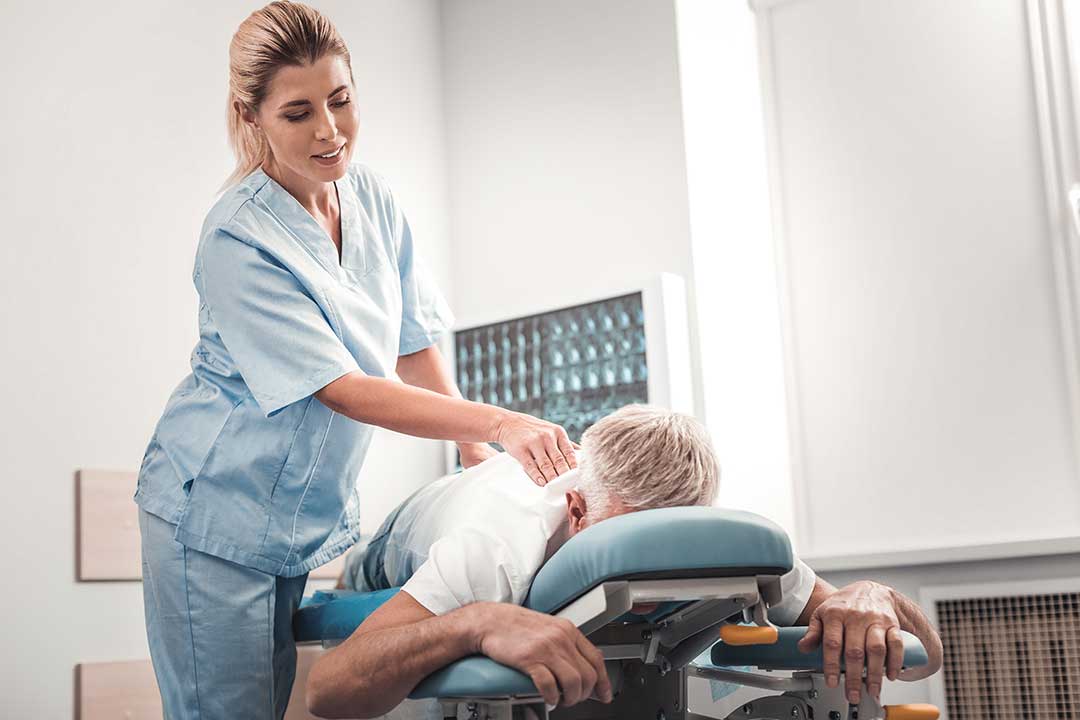
A spinal adjustment is a hands-on technique that applies a controlled force to a spinal joint. The goal is usually to influence movement, reduce sensitivity, and improve comfort—not to “put a bone back into place.”
The term *spinal adjustment* is often used interchangeably with *spinal manipulation*, although techniques vary. A higher-speed, short-range thrust is commonly called manipulation. Gentler movements performed within a joint’s normal range are generally described as mobilization. Both may be used for back or neck-related musculoskeletal symptoms.
During an adjustment, the force may affect several tissues at once:
- Small joints between the vertebrae
- Muscles and connective tissue around the spine
- Sensory nerves that detect pressure, movement, and pain
- The way the brain and spinal cord process signals from the treated area
The response is not purely mechanical. Pain is influenced by sleep, stress, past injuries, physical activity, and the nervous system’s level of sensitivity. That is why two people with similar imaging findings may respond differently to the same technique.
What causes the popping sound?
The familiar popping sound is usually called a cavitation. It occurs when a spinal joint is moved quickly and the pressure within the joint changes, producing a gas bubble in the joint fluid.
The sound does not mean that a vertebra has been “realigned,” and it is not necessary for an adjustment to be effective. Some techniques do not produce a sound at all. Research has shown that cavitation can occur along with temporary separation, or gapping, of joint surfaces, but the sound itself is not a measurement of treatment success.
A person may feel looser afterward because joint movement, muscle activity, and pain processing can change briefly. The perceived improvement may come from a combination of mechanical and neurological effects rather than from a permanent structural correction.
How might adjustments affect pain?
The leading scientific explanation is that an adjustment changes the flow of sensory information from the spine to the nervous system. A rapid, controlled movement stimulates receptors in joints, muscles, and surrounding tissues. Those signals may temporarily influence how the spinal cord and brain interpret pain.
Studies have observed short-term changes in pressure sensitivity after spinal manipulation, including in areas away from the treated region. This supports the possibility of a broader nervous-system response, although the exact biological process is still being studied.
Other possible effects include:
- Temporarily improved movement in a stiff spinal segment
- Reduced protective muscle guarding
- Changes in muscle tone
- Increased confidence with normal movement
- A short-term reduction in pain-related sensitivity
These effects do not necessarily mean that the original cause of pain has been permanently corrected. For lasting improvement, movement practice, strength, sleep, work habits, and gradual return to activity may matter just as much.
What does the evidence say about back and neck pain?
For low-back pain, spinal manipulation is one of several nondrug approaches that may provide modest improvements in pain and physical function. Research does not show that it is universally superior to exercise, physical therapy, self-management education, medication, or other appropriate conservative care.
Evidence for chronic low-back pain generally suggests small to moderate short-term benefits, with results varying among individuals and studies. International guidance considers spinal manipulative therapy a possible part of care for some adults with chronic primary low-back pain, usually alongside education and exercise rather than as a stand-alone solution.
For neck pain, manipulation or mobilization may help some people, but the evidence is less consistent than many advertisements imply. Treatment should be based on the person’s symptoms, medical history, examination findings, and risk factors.
Adjustments are not established treatments for unrelated internal conditions such as high blood pressure, digestive disease, or infections. Research on these uses has not demonstrated clear benefits.
Why might results vary from person to person?
Pain is not determined by an X-ray or MRI alone. A scan may show arthritis, disc changes, or mild narrowing even in someone who has no symptoms. Conversely, significant discomfort may occur without a major structural abnormality.
Response can also vary based on:
- Whether the pain is acute, persistent, or recurring
- The amount of sleep and daily stress
- Physical demands at work or home
- Recent lifting, driving, exercise, or a fall
- Fear of movement or prolonged guarding
- Other health conditions and medications
For residents managing snow, ice, damp weather, or seasonal household tasks, symptoms may flare after shoveling, carrying, prolonged sitting, or sudden slips. An adjustment may reduce discomfort for some people, but it does not replace gradual conditioning, safe lifting, appropriate footwear, or attention to balance and fall prevention.
Are spinal adjustments safe?
Most reported side effects are temporary and mild, such as soreness, stiffness, fatigue, or a temporary increase in pain. These effects commonly resolve within about a day. Serious complications are considered rare, but they have been reported, and the level of risk depends partly on the person’s health and the body region treated.
Neck manipulation deserves particular caution. Rare reports have described cervical artery dissection, a tear in an artery wall that can lead to stroke. Research has not established in every case whether the manipulation caused the problem, because artery dissection can also occur after ordinary neck movement, injury, coughing, or vomiting. Sudden neck pain or headache that is unusual, severe, or accompanied by neurological symptoms requires urgent medical evaluation.
Before any adjustment, relevant information includes:
- Recent trauma, including a fall or vehicle collision
- Osteoporosis or known bone weakness
- Cancer, infection, or inflammatory disease
- Blood-clotting problems or use of blood thinners
- Numbness, weakness, or worsening symptoms
- Prior surgery or significant spinal disease
- Pregnancy or other conditions requiring modified positioning
When should back or neck pain be evaluated urgently?
Pain should not be managed with an adjustment alone when warning signs suggest a potentially serious condition. Prompt medical evaluation is appropriate for new bowel or bladder loss, numbness in the groin region, progressive weakness, severe pain after major trauma, unexplained fever, a history of cancer, or unexplained weight loss.
Emergency symptoms may include sudden facial drooping, trouble speaking, fainting, severe imbalance, new vision changes, or weakness on one side of the body. These symptoms are not typical muscle or joint complaints.
The science supports a measured view: spinal adjustments may provide short-term relief for some musculoskeletal pain, particularly low-back pain, but they are not a universal correction for every spinal problem. Their potential value is best understood as one possible tool within broader, individualized care that considers movement, recovery, health history, and safety.
