

Athletes in Lynbrook, NY participate in many forms of physical activity, from school and recreational sports to distance running, cycling, strength training, dance, and seasonal outdoor exercise. Chiropractic adjustments may help some athletes manage musculoskeletal pain and movement restrictions, but they are not a replacement for training, rehabilitation, medical evaluation, or appropriate rest.
The most useful role of an adjustment is usually symptom support: reducing discomfort, improving short-term joint movement, and helping an athlete participate in a broader recovery plan.
What is a chiropractic adjustment?
A chiropractic adjustment, also called spinal manipulation, uses a controlled force to move a joint through a specific range of motion. Adjustments may be directed at the spine or other joints, depending on the person’s symptoms, examination findings, and medical history.
An adjustment is different from general stretching or massage. It is also different from spinal mobilization, which uses slower or gentler movement without a quick thrust.
For athletes, treatment may focus on areas affected by repetitive loading, such as the lower back, neck, pelvis, hips, shoulders, or extremities. The goal should be based on a clear functional problem rather than the assumption that every athlete needs routine “realignment.”
Can adjustments reduce sports-related pain?
They may help with some types of musculoskeletal pain, especially when pain is related to restricted movement or mechanical irritation. Research supports modest short-term improvements for certain forms of acute or chronic low-back pain, although results vary from person to person.
Athletes may experience symptoms from:
- Repeated bending, lifting, jumping, or twisting
- Sudden increases in training volume
- Poor recovery between practices or competitions
- Prolonged sitting after training or during school and work
- Contact, falls, or awkward landings
- Limited mobility in the hips, ankles, shoulders, or upper back
An adjustment may reduce discomfort enough to make walking, daily activities, or prescribed exercises easier. That benefit should be viewed as one part of care, not proof that the underlying injury has been corrected.
Pain after a collision, fall, or forceful impact requires additional caution. Severe pain, swelling, deformity, weakness, numbness, loss of coordination, or difficulty bearing weight may indicate an injury that needs prompt medical assessment before any manipulation is considered.
Do chiropractic adjustments improve athletic performance?
The evidence does not support the idea that adjustments reliably make healthy athletes stronger, faster, or more powerful. Some small studies have reported short-term changes in range of motion, muscle activation, or performance tests, but the findings are inconsistent and do not establish a lasting competitive advantage.
A person may feel more mobile after treatment, particularly if a stiff joint or painful movement had been limiting activity. Feeling looser can be useful before mobility work or exercise, but it should not be confused with improved conditioning or injury-proofing.
Performance still depends primarily on training quality, technique, sleep, nutrition, recovery, strength, cardiovascular fitness, and sport-specific preparation.
How might adjustments support recovery?
When pain or stiffness limits normal movement, an adjustment may help an athlete resume gentle activity or rehabilitation exercises. This can be useful during a gradual return to training, provided the activity level is appropriate.
For example, a runner with mild, non-traumatic low-back stiffness may find that treatment makes walking and prescribed mobility exercises more comfortable. A recreational athlete with upper-back stiffness after long periods of sitting may notice easier trunk rotation during a warm-up.
Recovery should also include:
- A gradual increase in training load
- Strengthening of the muscles that support the affected area
- Sport-specific movement retraining
- Adequate sleep and hydration
- Warm-ups that match the demands of the activity
- Rest or modified activity when symptoms worsen
Manual treatment alone has not been shown to replace active rehabilitation. Exercise is generally a central part of recovery because it builds the strength, coordination, and tolerance needed for a return to sport.
Can adjustments prevent athletic injuries?
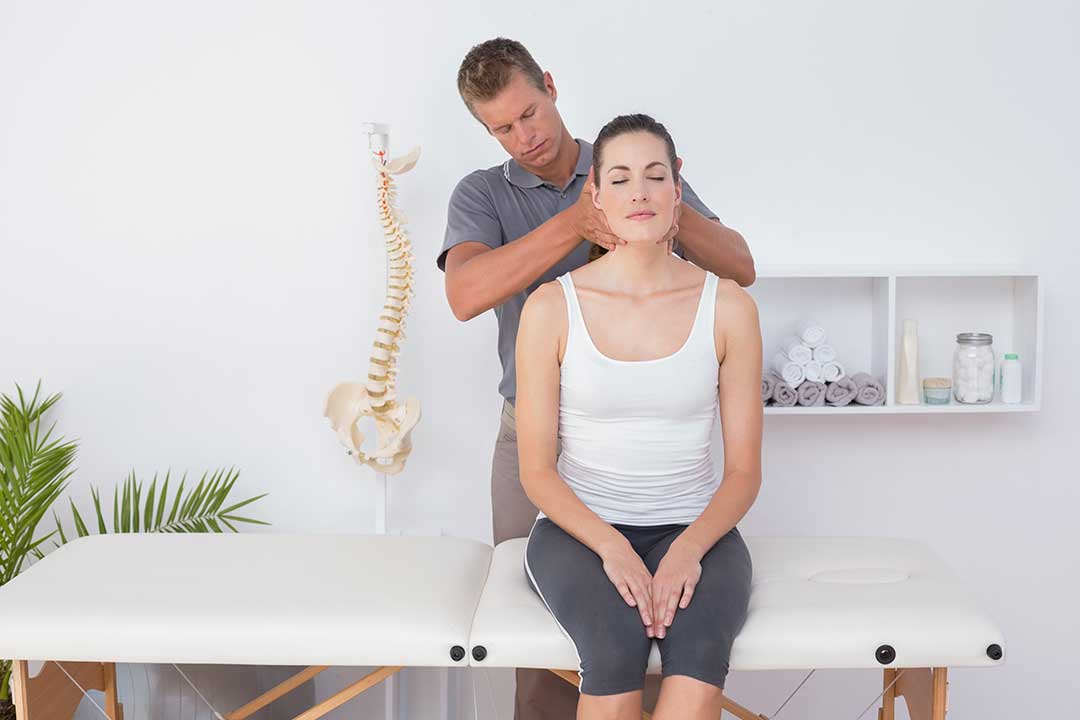
There is not enough reliable evidence to say that routine adjustments prevent sports injuries. Regular treatment may help an athlete notice stiffness or movement limitations, but prevention requires more than joint manipulation.
Training errors are common contributors to overuse problems. Increasing mileage, lifting weight, practice time, or intensity too quickly can place more stress on muscles, tendons, joints, and bones than the body can handle.
In a dense suburban community, athletes may also move between school, work, home, indoor facilities, and outdoor streets or fields with little recovery time between activities. Seasonal changes can add practical challenges: cold weather may reduce warm-up time, while hot and humid conditions can increase fatigue and affect hydration needs.
A sound prevention plan usually includes conditioning, technique practice, appropriate equipment, rest days, and attention to early symptoms.
Are chiropractic adjustments safe for athletes?
Most people experience no serious problems, but temporary soreness, stiffness, headache, or a brief increase in pain can occur after spinal manipulation. These effects commonly resolve within a day or two.
Safety depends on appropriate screening. A complete history should include recent injuries, surgeries, osteoporosis, inflammatory conditions, blood-clotting problems, neurological symptoms, medications, and any history of serious trauma.
Neck manipulation deserves particular caution. Serious complications are rare, but serious neurological events and injuries involving blood vessels in the neck have been reported. The relationship between neck manipulation and certain artery injuries remains debated, but the potential risk should be discussed openly.
An athlete should seek urgent medical care for symptoms such as:
- New weakness or numbness
- Loss of balance or coordination
- Severe or worsening neck or back pain
- Loss of bladder or bowel control
- Fainting, confusion, or unusual severe headache
- Chest pain or difficulty breathing
- Signs of a fracture or major joint injury
These symptoms should not be managed with an adjustment as the first response.
When might an athlete consider an adjustment?
An adjustment may be reasonable as an optional part of care for a diagnosed or evaluated musculoskeletal problem, particularly when the goal is short-term pain relief or improved movement. It should fit within a plan that may include exercise, activity modification, and monitoring.
Athletes should be cautious about treatment based only on vague claims about toxins, permanent misalignment, or the need for indefinite routine adjustments. A clear explanation should be available for what problem is being treated, what improvement is expected, and how progress will be measured.
For young athletes, parents or guardians should understand the proposed treatment and make sure serious injuries have been properly assessed. Children and teenagers with suspected concussion, neck injury, fracture, or significant pain need appropriate medical evaluation rather than immediate manipulation.
The practical question is not whether every athlete needs chiropractic adjustments. It is whether a specific adjustment, used selectively and safely, may help a particular person move more comfortably while the larger priorities—diagnosis, rehabilitation, conditioning, and recovery—remain in place.
