
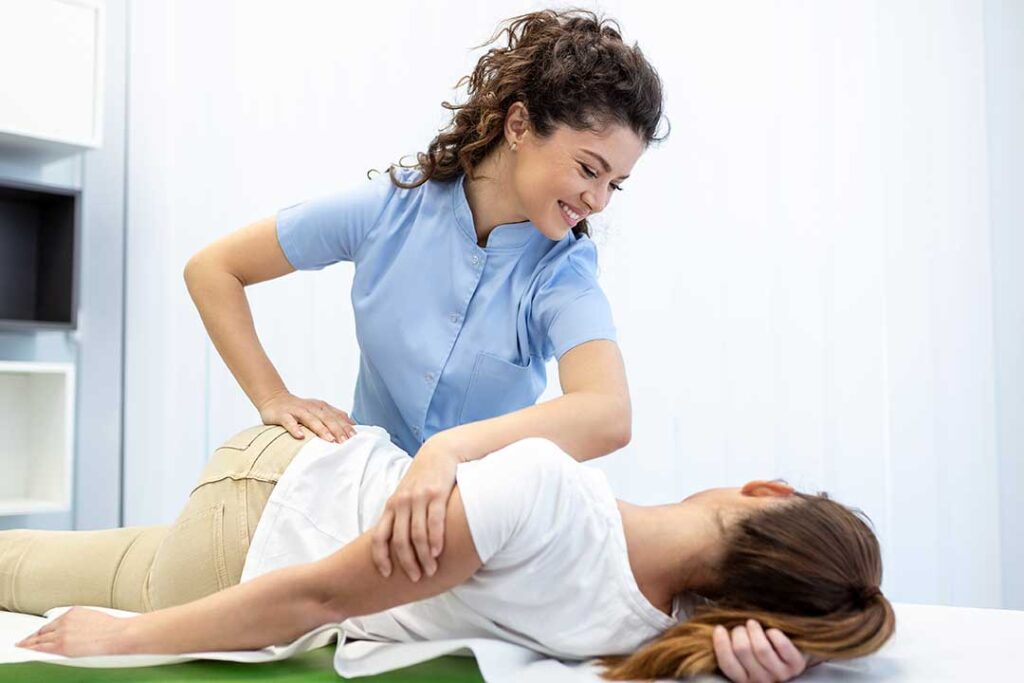
Minor back strains often improve with simple home care, especially when discomfort begins after lifting, gardening, shoveling, exercise, prolonged sitting, or an awkward movement. The main goals are to calm irritation, maintain gentle movement, and avoid activities that repeatedly stress the area.
What does a minor back strain feel like?
A minor strain usually causes localized aching, tightness, tenderness, or muscle spasm in the lower or middle back. Pain may become more noticeable when bending, standing up, twisting, coughing, or changing position.
A strain is more likely when symptoms began during or shortly after a specific activity. Pain that travels down a leg, causes numbness or weakness, or is accompanied by other unusual symptoms may have a different cause and should not be treated as a simple muscle strain without medical guidance.
Should ice or heat be used first?
Either cold or warmth may help, but they serve different purposes. Cold can be useful during the first day or two when the area feels newly irritated, swollen, or especially sore. Heat may be more comfortable when stiffness and muscle tightness are the main problems. MedlinePlus advises using a barrier between the skin and a cold pack and avoiding direct contact with ice.
Try one of these approaches:
- Apply a cold pack wrapped in a thin towel for about 15 to 20 minutes.
- Use a heating pad on a low setting or take a comfortably warm shower.
- Check the skin regularly and stop if it becomes very red, numb, or painful.
- Do not fall asleep with a heating pad in place.
There is no requirement to choose only cold or only heat. The more useful option is the one that reduces discomfort without irritating the skin or making symptoms worse.
Is bed rest helpful for a strained back?
Extended bed rest usually is not helpful. Briefly reducing activity during the first day may be reasonable, but staying in bed for more than a short period can increase stiffness and make ordinary movement feel more difficult. Remaining gently active, as tolerated, is generally preferred when there are no warning signs.
Gentle options include:
- Taking short walks around the home.
- Changing position every 30 to 60 minutes.
- Moving slowly between sitting, standing, and lying down.
- Using a comfortable chair that supports the lower back.
- Stopping any movement that sharply increases pain.
For residents in Lynbrook, seasonal tasks can contribute to strains. Cold weather may encourage people to remain seated for long periods, while spring cleanup, summer yard work, and winter snow removal can involve repeated bending, lifting, and twisting. Break larger chores into smaller portions rather than trying to finish everything at once.
How should sleeping position be adjusted?
The most comfortable sleep position varies, but support can reduce pressure on sore muscles. Side sleepers may benefit from placing a pillow between the knees. People who sleep on their backs can try placing a pillow beneath the knees. A mattress does not need to be replaced solely because of a brief strain; comfort and support matter more than a particular mattress type.
Getting out of bed may be easier by rolling onto one side, moving the legs over the edge, and pushing up with the arms rather than bending sharply at the waist.
Can stretching help?
Gentle movement may help, but forceful stretching immediately after an injury can aggravate a strain. During the first few days, prioritize comfortable walking and easy changes in position. Avoid deep forward bends, strong twisting, sit-ups, heavy lifting, and stretches that produce sharp or spreading pain.
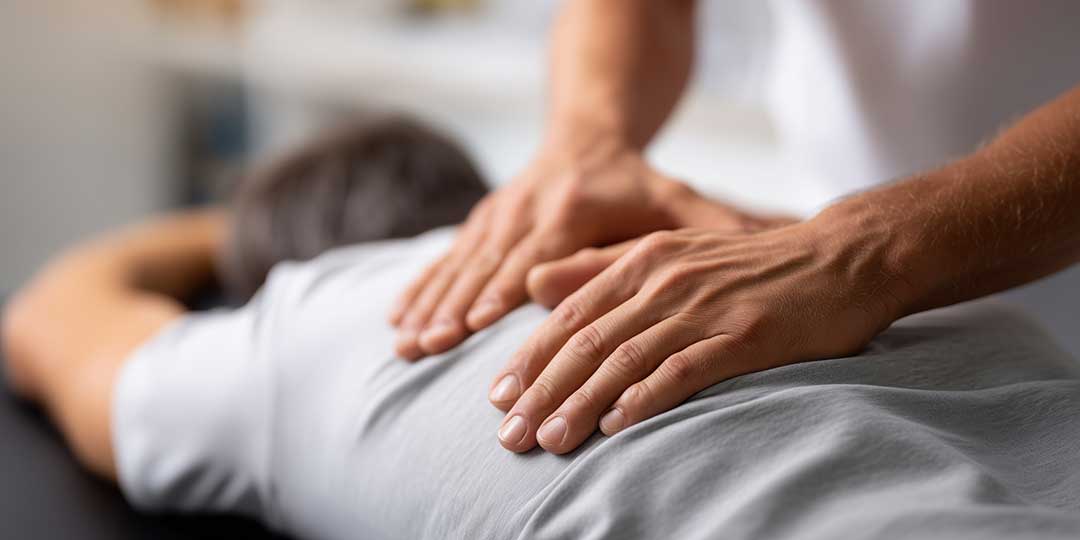
As soreness settles, light mobility may be appropriate. Examples include slow pelvic tilts while lying down, gentle knee movements, or a short walk on level ground. Exercise should be gradual and should not cause worsening pain later that day or the next morning. Exercise and strengthening routines may need to be adapted to the individual, particularly when symptoms persist or return.
Are over-the-counter pain relievers safe?
Some people use acetaminophen or anti-inflammatory medicines such as ibuprofen or naproxen for short-term relief. These medicines are not appropriate for everyone. Anti-inflammatory drugs may be risky for people with a history of stomach ulcers or bleeding, kidney disease, certain heart conditions, uncontrolled high blood pressure, or medication interactions. Follow the package directions and do not combine products that contain the same active ingredient.
A pharmacist or medical professional can help determine whether a medication is suitable, especially during pregnancy, for older adults, or for anyone taking blood thinners or other regular medicines.
What should be avoided while the back heals?
A minor strain can linger if the same stress is repeated. For several days, avoid:
- Heavy lifting from the floor.
- Twisting while carrying an object.
- Sudden jerking movements.
- High-impact exercise.
- Long periods of sitting without movement breaks.
- Carrying a child, laundry basket, or bag on one side when it increases pain.
When lifting becomes necessary, keep the object close to the body, bend through the hips and knees, and avoid rotating while holding the load. Awkward objects may be more hazardous than heavy ones, especially in compact homes, stairways, garages, and narrow storage areas.
When does back pain need prompt medical attention?
Seek urgent medical help for back pain with new loss of bladder or bowel control, numbness around the groin or buttocks, significant weakness, or numbness and tingling affecting both legs. These symptoms can signal a serious nerve problem.
Prompt evaluation is also appropriate when pain follows a significant fall or collision, begins suddenly and severely, worsens rapidly, or occurs with fever, chills, unexplained weight loss, or a general feeling of illness. Back pain that is not improving after several days of careful home treatment, or that repeatedly returns, also deserves medical assessment.
A minor strain should gradually become easier to manage. If walking, sleeping, or ordinary household activities remain difficult, the symptoms may need a more specific evaluation rather than continued self-treatment.
