
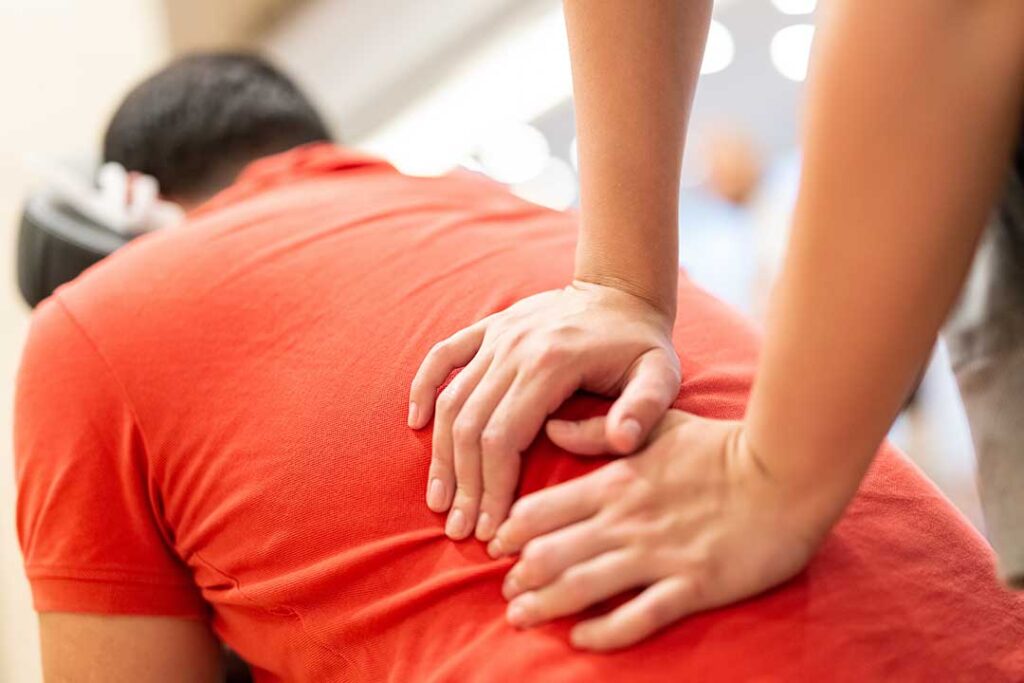
Why does hydration matter for spinal health?
Hydration supports the normal function of the tissues that help the spine move, absorb force, and remain stable. Drinking enough fluid does not prevent every cause of back or neck pain, but it helps maintain the body systems involved in spinal movement and recovery.
The spinal column includes vertebrae, muscles, ligaments, nerves, and intervertebral discs. Discs sit between the vertebrae and act partly as shock absorbers. Their inner tissues contain a high proportion of water, and their fluid content changes naturally throughout the day.
Adequate hydration also supports circulation, muscle function, joint lubrication, and temperature regulation. These effects matter because the muscles around the spine must contract and relax efficiently during walking, lifting, sitting, and other daily activities.
How are spinal discs affected by water?
Intervertebral discs do not receive blood flow in the same way as many other tissues. Their ability to exchange fluid and nutrients is influenced by pressure, movement, and changes in body position.
During the day, standing, sitting, walking, and lifting place pressure on the discs. Some fluid moves out under sustained loading. During rest, especially while lying down, the discs gradually draw fluid back in. This daily pattern is normal and helps the discs respond to ordinary mechanical demands.
Drinking water does not directly “refill” a damaged disc or reverse arthritis. However, dehydration may add to overall physical stress, especially when combined with heat, strenuous activity, illness, or inadequate rest. Hydration is best understood as one part of maintaining healthy tissue function—not as a stand-alone treatment for back pain.
Can dehydration cause back pain?
Mild dehydration is not usually the sole cause of back pain. Back discomfort can arise from many factors, including muscle strain, prolonged sitting, awkward lifting, joint irritation, nerve compression, injury, and medical conditions.
Dehydration can contribute indirectly. When the body loses more fluid than it replaces, muscles may fatigue more easily and become more vulnerable to cramping. Reduced exercise tolerance can also change movement patterns, causing a person to brace, slump, or avoid normal activity. These changes may increase strain on the neck and back.
People may be more likely to become dehydrated during hot, humid weather, outdoor work, extended exercise, fever, vomiting, or diarrhea. In Lynbrook, NY, summer heat and humidity can make fluid loss less obvious, particularly for people walking, gardening, exercising outdoors, or working in poorly ventilated spaces.
How much water should a person drink?
There is no single amount that fits every adult. Fluid needs vary with body size, age, activity level, diet, medications, health conditions, temperature, and sweating.
A practical approach is to drink regularly throughout the day rather than waiting until intense thirst develops. Helpful habits include:
- Keep water available during work, commuting, errands, and exercise.
- Drink with meals and after waking.
- Increase fluid intake gradually during hot weather or increased activity.
- Pay attention to thirst, dry mouth, headache, unusual fatigue, and darker-than-usual urine.
- Replace fluids lost through sweating, vomiting, or diarrhea.
Water is sufficient for most routine daily activities. Electrolyte drinks may have a role during prolonged, vigorous exercise or heavy sweating, but many contain substantial sugar or sodium. They are not automatically better than water for ordinary hydration.
People with kidney disease, heart failure, liver disease, or fluid restrictions should follow individualized medical guidance rather than deliberately increasing water intake.
Does coffee or tea cause dehydration?
Moderate amounts of caffeinated coffee and tea can contribute to daily fluid intake. Caffeine may increase urination somewhat, but typical consumption does not automatically cancel out the fluid in the beverage.
The larger concern is relying on caffeinated drinks instead of drinking enough water, particularly during hot weather or strenuous activity. Alcohol is different: it can promote fluid loss and may impair awareness of thirst, balance, and safe movement. Alcohol is not an appropriate way to rehydrate after exercise or outdoor work.
Sugary drinks can provide fluid, but frequent consumption may add excess calories without offering special benefits for spinal health.
What is the connection between hydration, movement, and chiropractic care?
Hydration works best alongside regular, comfortable movement. Gentle walking, position changes, mobility exercises, and properly paced strengthening can help the body tolerate everyday spinal loading.
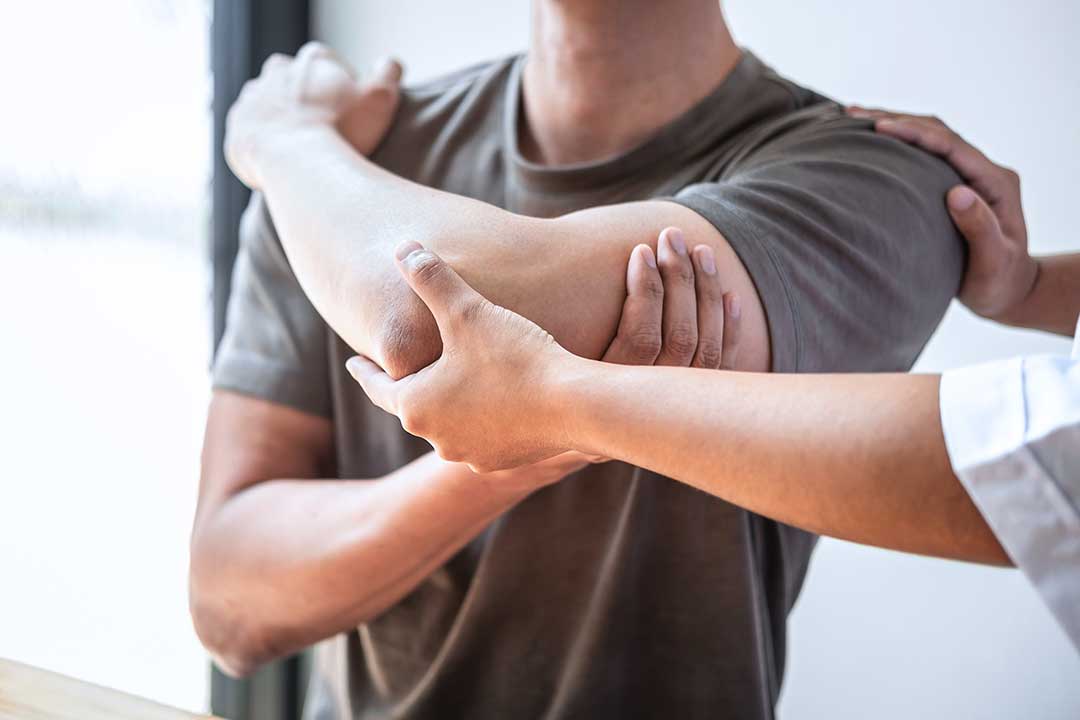
Remaining in one position for hours may contribute to stiffness even when a person drinks enough water. Area residents who work at desks, drive for long periods, or spend much of the day seated may benefit from standing briefly, changing positions, and taking short walking breaks.
Hydration may also support tolerance for exercise or mobility work, but it does not make every exercise appropriate. New activity should be increased gradually, especially after an injury or a long period of inactivity.
A common misconception is that drinking extra water can correct poor posture, repair a disc, or eliminate chronic pain. It cannot. Hydration is supportive, while persistent symptoms require attention to the broader picture, including movement habits, sleep, workload, medications, and possible medical causes.
When is back pain more than a hydration issue?
Back or neck pain should not be attributed to dehydration when symptoms are severe, persistent, or associated with warning signs. Prompt medical evaluation is especially important for:
- New weakness, numbness, or loss of coordination
- Loss of bladder or bowel control
- Numbness around the groin or inner thighs
- Severe pain after a fall, crash, or other injury
- Fever, unexplained weight loss, or significant illness
- Pain that is constant, worsening, or present at night
- Severe dehydration symptoms such as confusion, fainting, inability to keep fluids down, or very little urination
These symptoms may indicate a problem requiring more than changes in fluid intake.
Practical hydration habits for local daily life
For many households, the simplest routine is to drink water at regular intervals and adjust intake to the day’s conditions. Keep a bottle nearby during outdoor chores, take water on walks, and drink before and after exercise rather than trying to compensate all at once.
During hot weather, combine hydration with shade, breathable clothing, rest periods, and reduced exposure during the hottest part of the day. Avoid forcing excessive amounts of water quickly; too much fluid can also disturb the body’s electrolyte balance.
Healthy spinal care is built from several basics: adequate fluids, regular movement, sensible lifting, restorative sleep, and attention to symptoms that do not resolve. Hydration supports that foundation, but it is only one part of maintaining a resilient, functional spine.
