
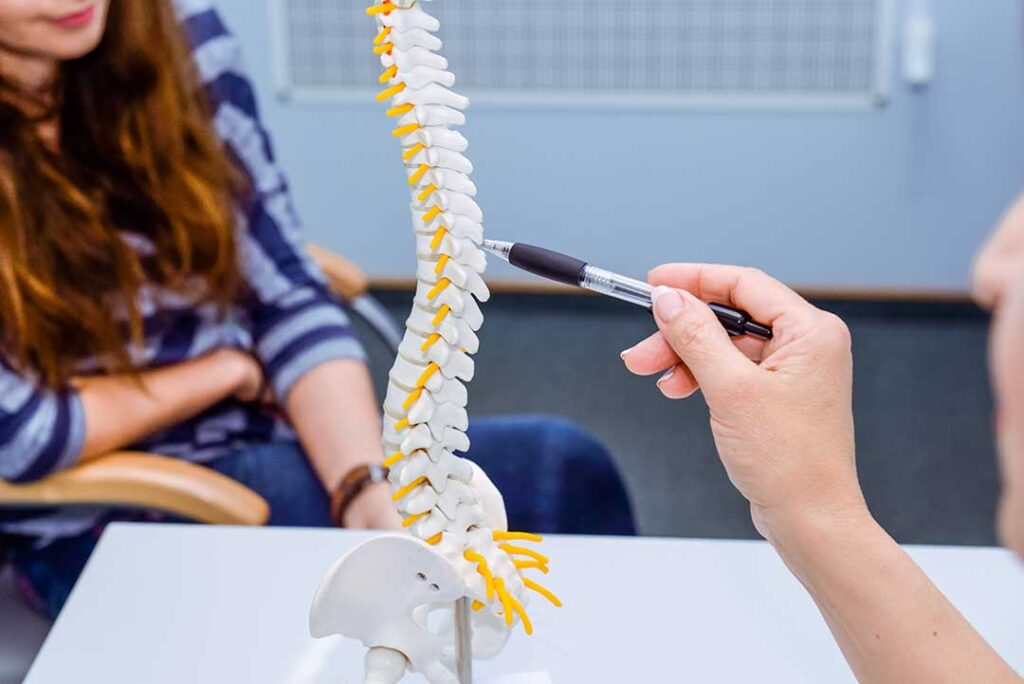
Hydration is often discussed in relation to energy, digestion, and exercise, but it also supports the tissues that help the spine move and absorb daily stress. Drinking enough fluid does not prevent every back problem or reverse spinal degeneration, yet it helps the body maintain normal muscle function, joint lubrication, circulation, and temperature control.
For residents of Lynbrook, NY, hydration can become especially relevant during humid summer weather, outdoor activity, long commutes, household chores, or indoor heating during colder months. The goal is not to force large amounts of water. It is to maintain steady fluid intake that matches the body’s needs.
How does hydration affect the spine?
Hydration supports the muscles, joints, connective tissues, and intervertebral discs that work together to protect and move the spine. Spinal discs contain a high proportion of water, particularly in the softer inner portion that helps distribute pressure between vertebrae.
The discs naturally lose some water during the day as the spine is loaded by standing, walking, sitting, and lifting. They regain fluid during periods of rest, especially overnight. This daily change is normal. Drinking water does not instantly “refill” a disc, but adequate hydration provides the body with the fluid needed for normal tissue maintenance.
Hydration also supports:
- Muscle contraction and relaxation
- Normal nerve signaling
- Blood flow to working tissues
- Joint lubrication
- Regulation of body temperature
- Recovery after physical activity
A dehydrated body may be more prone to fatigue, headache, muscle cramping, dizziness, or reduced exercise tolerance. These effects can indirectly influence spinal comfort because tired muscles may provide less support during lifting, walking, or prolonged sitting.
Can dehydration cause back pain?
Dehydration is not usually the sole cause of back pain, but it can contribute to discomfort in certain situations. Low fluid intake may increase fatigue, muscle cramping, and general physical strain. If a person is exercising, working outdoors, or performing repetitive tasks while dehydrated, the muscles supporting the spine may tire more quickly.
Pain can also be mistaken for dehydration-related discomfort. A backache may result from prolonged sitting, an awkward sleeping position, lifting technique, an injury, arthritis, disc irritation, or another medical condition. Drinking water may be sensible, but it should not be treated as a complete explanation or cure for persistent pain.
Severe or sudden back pain, pain after a fall, leg weakness, loss of bladder or bowel control, fever, unexplained weight loss, or numbness in the groin area requires prompt medical attention.
How much water should an adult drink?
There is no single amount that fits every adult. Fluid needs vary with body size, diet, activity level, medications, illness, temperature, pregnancy, and perspiration.
A practical approach is to drink regularly throughout the day and use thirst, urine color, and activity level as general guides. Pale-yellow urine commonly suggests adequate hydration, while consistently dark urine may indicate the need for more fluids. Urine color is not a perfect test, especially when certain vitamins, foods, or medications affect it.
Water is a straightforward choice, but other fluids and water-rich foods also contribute. Milk, unsweetened beverages, soups, fruits, and vegetables can all provide fluid. Drinks high in sugar may add unnecessary calories, while alcohol can interfere with normal hydration.
People with kidney disease, heart failure, liver disease, or fluid restrictions should follow individualized guidance from their medical team rather than increasing water intake on their own.
Why does local weather matter?
Seasonal conditions can change hydration needs even when a person does not feel especially thirsty. During warm, humid days, sweat may evaporate less efficiently, making the body work harder to cool itself. Outdoor walking, gardening, recreational activity, and physical work can increase fluid loss.
Cold weather also deserves attention. People may drink less because they do not feel hot, while indoor heating can contribute to dry mouth and increased fluid loss through breathing. Long periods indoors may also lead to fewer regular breaks for water.
Helpful habits include:
- Drinking water with meals and snacks
- Carrying a refillable bottle during errands or outdoor activities
- Taking fluids before, during, and after exercise
- Drinking more during heat, illness, or heavy sweating
- Limiting reliance on alcohol and very sugary drinks
- Keeping water accessible at a desk or near a frequently used chair

The objective is consistent intake, not excessive intake.
Does drinking more water repair spinal discs?
No. Drinking extra water cannot reverse a herniated disc, eliminate arthritis, rebuild damaged cartilage, or restore discs affected by long-term degeneration.
Disc hydration is influenced by more than fluid intake. Age, genetics, mechanical loading, sleep, movement patterns, body weight, smoking, injuries, and overall health all play roles. Research on disc rehydration often examines rest, movement, spinal loading, or surgical approaches—not simply drinking water.
Hydration is best understood as one part of general spinal care. It works alongside regular movement, adequate sleep, balanced nutrition, strength, flexibility, and safe body mechanics.
What is the connection between hydration and exercise?
Movement helps the spine by maintaining muscle strength and supporting normal joint motion. Hydration helps the body tolerate that movement by supporting circulation, temperature control, and muscle function.
For ordinary daily activity or moderate exercise, water is usually sufficient. During prolonged, intense exercise or heavy sweating, fluid and electrolyte needs may differ. Drinking excessively fast can also be unsafe because it may dilute sodium levels in the blood. Forced water intake is not a substitute for responding to thirst and the conditions of the activity.
Before outdoor activity, consider the temperature, humidity, duration, shade, clothing, and access to fluids. During hot weather, take breaks and avoid waiting until intense thirst, dizziness, weakness, or cramping develops.
Can hydration help people who sit for long periods?
Hydration alone will not offset prolonged sitting, but regular water breaks can encourage position changes. Standing briefly, walking through the home, and gently moving the hips, shoulders, and upper back can reduce stiffness associated with remaining in one position.
People who work at a desk or spend long periods driving may benefit from pairing water intake with movement reminders. A brief break every hour can provide an opportunity to change posture, walk safely, and check whether discomfort is related to position rather than thirst.
Avoid sharply increasing fluids solely to create frequent bathroom trips. The more useful habit is to drink normally and use natural breaks as reminders to move.
When is back discomfort a reason to seek medical care?
Hydration may be part of self-care for mild, short-lived muscle tightness, but persistent or worsening symptoms deserve evaluation. Medical attention is particularly important for back pain accompanied by weakness, numbness, fever, unexplained weight loss, trauma, abdominal symptoms, or changes in bladder or bowel function.
For everyday spinal health, the most dependable approach is balanced: drink enough to avoid dehydration, remain physically active within personal limits, vary prolonged positions, and avoid assuming that water alone can solve a spinal problem.
