

Pregnancy-related back pain is common, but severe, sudden, or persistent pain should not be dismissed. Changes in posture, weight distribution, joints, muscles, and ligaments can all contribute to discomfort. In Lynbrook, NY, practical adjustments at home, gentle movement, and timely medical guidance can help many pregnant people stay more comfortable.
Why does pregnancy cause back pain?
Pregnancy can affect the back in several ways. As the uterus grows, the body’s center of gravity shifts forward. This may encourage an increased curve in the lower back, which can strain muscles and joints.
Pregnancy hormones also loosen ligaments around the pelvis and spine. This natural process helps prepare the body for childbirth, but it may reduce joint stability and contribute to aching in the lower back, hips, buttocks, or pelvic region.
Back pain may become more noticeable after standing for long periods, climbing stairs, lifting household items, sitting at a computer, or walking on uneven surfaces. Seasonal habits can also matter locally; icy sidewalks, wet pavement, and heavier winter clothing may change walking patterns and increase muscle strain.
What are safe ways to relieve back pain at home?
The safest approach is usually a combination of posture changes, gentle activity, supportive positioning, and avoiding movements that aggravate symptoms.
Improve standing and sitting posture
Try to stand with the chest comfortably lifted, shoulders relaxed, knees slightly bent, and feet placed about hip-width apart. Avoid leaning backward to counterbalance the abdomen.
When sitting, choose a chair with back support. A small cushion or rolled towel behind the lower back may help. Keep both feet supported when possible, and change positions regularly rather than remaining seated for long stretches.
For tasks such as meal preparation or folding laundry, alternate between standing and sitting. If standing for several minutes, placing one foot on a low, stable step can reduce strain temporarily.
Use safe lifting habits
Pregnancy is not the time to lift awkward or heavy objects unnecessarily. For lighter items:
- Stand close to the object.
- Widen the feet for balance.
- Bend at the knees and hips rather than bending at the waist.
- Keep the back as neutral as possible.
- Lift with the legs and hold the item close to the body.
- Avoid twisting while carrying.
Laundry baskets, pet supplies, grocery bags, and small children can be surprisingly difficult to lift safely. Asking for help is reasonable, especially later in pregnancy or when pain is already present.
Try side-lying support at night
Many pregnant people find side sleeping more comfortable than lying flat on the back or stomach. A pillow between the knees can keep the hips and pelvis in a more comfortable position. Another pillow under the abdomen or behind the back may reduce pulling and rolling.
A regular pillow can work; specialized pregnancy pillows are not required. The goal is support, not forcing the body into a rigid position. If a sleeping position causes numbness, sharp pain, dizziness, or shortness of breath, change position and discuss the symptoms with the pregnancy care team.
Can exercise help pregnancy-related back pain?
Yes. For many uncomplicated pregnancies, gentle physical activity can strengthen the muscles that support the back, hips, abdomen, and legs. Walking, water exercise, and pregnancy-appropriate stretching may be useful.
Activity should feel manageable rather than painful. Begin slowly, particularly if exercise has been limited. A brief walk on level ground may be more appropriate than a long outing over uneven terrain. Indoor movement can be a practical option during periods of snow, ice, heat, or heavy rain.
A gentle hands-and-knees stretch may help some people:
1. Place the hands beneath the shoulders and knees beneath the hips.
2. Keep the head aligned with the spine.
3. Slowly draw the abdomen inward and round the back slightly.
4. Hold briefly without straining.
5. Return to a neutral back position.
Stop if the movement causes pain, cramping, dizziness, bleeding, fluid leakage, or unusual shortness of breath. Anyone with pregnancy complications, activity restrictions, or a high-risk pregnancy should ask the obstetric care team which exercises are appropriate before beginning.
Are heat, cold, massage, or support belts safe?
A warm—not hot—heating pad or warm water bottle may relax sore muscles. Use the lowest comfortable setting, place a towel between the heat source and skin, and limit the duration. Avoid falling asleep with a heating pad.
A cold pack wrapped in cloth may help after activity or when the area feels inflamed. Short applications are generally preferable to prolonged exposure. Do not place ice directly on the skin.
Gentle massage can temporarily reduce muscle tension. Pressure should be comfortable, and the person providing the massage should know that the recipient is pregnant. Abdominal massage and forceful techniques should be avoided unless specifically recommended by the pregnancy care team.
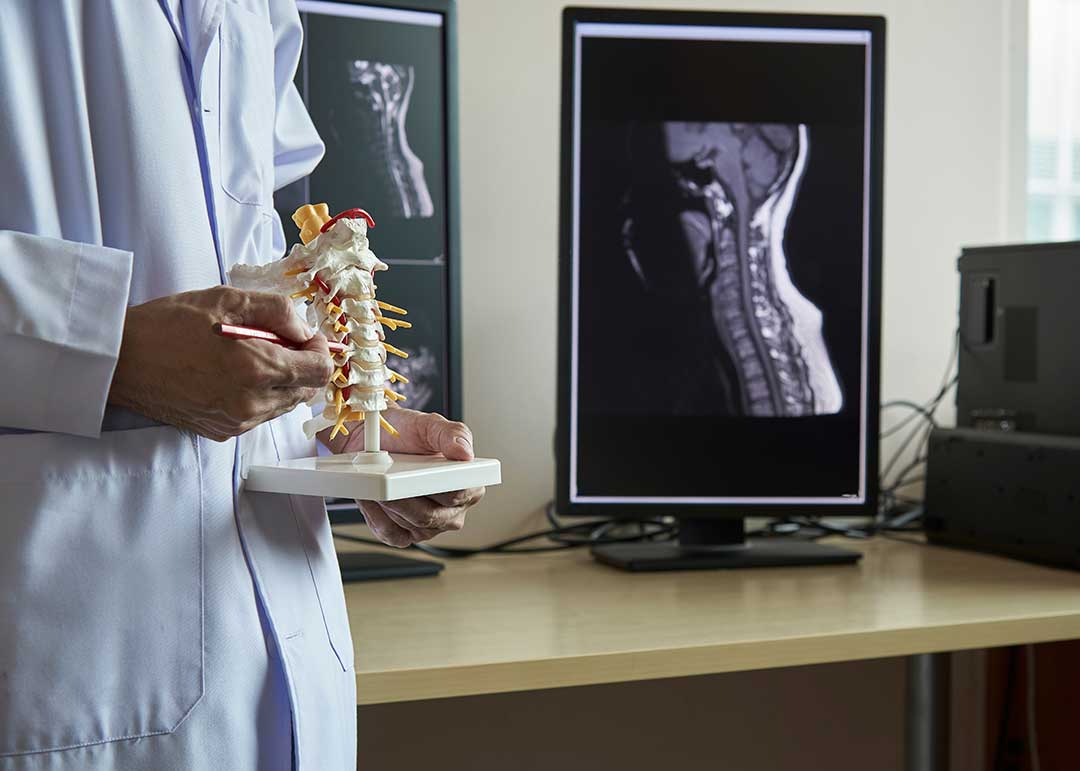
Pregnancy support garments or pelvic belts may help some people, although they do not work equally well for everyone. They should feel supportive rather than tight, restrictive, or painful. Positioning and fit can be discussed with an obstetric clinician, physical therapist, or appropriately trained prenatal care provider.
Can chiropractic care be used during pregnancy?
Some pregnant people consider chiropractic care for back or pelvic discomfort. If this is being considered, the pregnancy and any complications should be disclosed before treatment. Care should be provided only by a licensed practitioner with appropriate training and experience in pregnancy-related musculoskeletal concerns.
Gentle, pregnancy-adapted techniques may be considered in some cases, but forceful manipulation, treatment over areas of concern, or care that increases pain is not appropriate. Chiropractic care should not replace evaluation for symptoms that could indicate labor, infection, injury, or another medical condition.
A physical therapist with experience in pregnancy may also provide individualized instruction on posture, movement, pelvic support, and exercises.
Which pain medicines are safe during pregnancy?
Pain medicine should not be chosen casually during pregnancy. Some commonly used medicines may be unsuitable at certain stages or for people with particular medical conditions.
Ask the obstetric care team or pharmacist before taking prescription medicine, over-the-counter pain relievers, muscle rubs, or herbal products. Do not assume that a product is safe simply because it is sold without a prescription.
When should back pain be checked urgently?
Back pain during pregnancy can occasionally be a sign of a condition requiring prompt attention. Contact the pregnancy care team promptly for severe pain, pain that continues for more than two weeks, or pain following a fall or other injury.
Urgent medical advice is especially important if back pain occurs with:
- Vaginal bleeding or fluid leakage
- Fever or chills
- Burning or pain during urination
- Regular tightening or contractions
- New pelvic pressure
- Numbness, weakness, or difficulty walking
- Loss of bladder or bowel control
- Severe abdominal pain
- Dizziness, fainting, or unusual shortness of breath
Back pain that is mild and clearly linked to posture or activity often improves with rest, gentle movement, and support. Pain that is escalating, accompanied by other symptoms, or interfering with normal activity deserves medical evaluation rather than continued self-treatment.
