

Chiropractic care often raises practical questions: Is an adjustment safe? Can it make pain worse? Are neck adjustments dangerous? What health conditions should be disclosed first?
The short answer is that spinal manipulation is generally considered low risk for many adults when used appropriately, but it is not risk-free or suitable for every situation. Safety depends on the person’s health history, the body area being treated, the technique used, and whether warning signs are recognized before treatment begins.
Is chiropractic care generally safe?
For many people with common musculoskeletal problems, chiropractic treatment may be a reasonable non-drug option. Spinal manipulation is most often used for conditions such as low-back pain, neck discomfort, stiffness, and certain joint or muscle complaints.
The most common reactions are temporary and mild, including:
- Soreness or increased tenderness
- Short-term stiffness
- Temporary fatigue
- Mild headache
- A brief increase in pain
These effects often improve within a day. A reaction that is severe, worsening, or accompanied by new neurological symptoms should not be treated as a routine response.
Safety also depends on the type of care. Gentle mobilization, stretching, soft-tissue work, exercise instruction, and low-force techniques are different from a rapid thrust adjustment. A person can ask what technique is being considered and whether a lower-force option is appropriate.
Are neck adjustments dangerous?
Neck manipulation deserves more careful discussion than treatment of many other areas. Rare but serious problems, including injury to a blood vessel in the neck and stroke, have been reported after neck manipulation. Research has not established a simple cause-and-effect relationship in every case, and similar artery injuries can occur after events such as sports injuries, whiplash, forceful coughing, or severe vomiting.
The risk appears to be very low, but “very low” does not mean zero. Anyone considering neck manipulation should receive a clear explanation of potential benefits, alternatives, and warning signs. It is also reasonable to ask whether treatment can begin with non-thrust methods such as gentle movement, exercise, posture guidance, or soft-tissue techniques.
A sudden, unusual headache or neck pain that feels different from previous episodes should be medically evaluated rather than treated as an ordinary muscle strain. Emergency symptoms can include:
- Facial drooping or weakness on one side
- Trouble speaking or understanding speech
- Sudden loss of balance or coordination
- New double vision or severe dizziness
- Numbness or weakness in an arm or leg
- Difficulty swallowing
These symptoms require urgent medical attention.
Who should use extra caution?
A complete health history is one of the most important parts of safe care. Certain conditions may increase the chance of injury or change which techniques are appropriate.
Extra caution may be needed with:
- Recent fractures, dislocations, or significant falls
- Severe osteoporosis or fragile bones
- Known cancer affecting the bone
- Suspected spinal cord compression
- Serious inflammatory or infectious illness
- Blood-clotting disorders
- Use of blood-thinning medication
- Recent surgery
- A known aneurysm or vascular disorder
- Progressive numbness, weakness, or loss of coordination
- Pregnancy, especially when symptoms are unusual or severe
This does not automatically mean that all hands-on care is unsafe. It means treatment may need to be modified, delayed, or coordinated with medical evaluation. People should disclose medications, prior surgeries, major injuries, chronic diseases, and recent diagnostic findings before any adjustment.
Can an adjustment cause pain or injury?
An adjustment can cause temporary soreness, much like other forms of physical treatment. A brief ache does not necessarily indicate harm. However, severe pain, steadily increasing symptoms, bruising, marked weakness, or loss of function should not be ignored.
The possibility of injury is influenced by several factors:
- Excessive force or an unsuitable technique
- Treating an area that has not been properly assessed
- An unrecognized fracture or serious disease
- Poor communication about pain or pressure
- Continuing treatment despite new warning signs
- Failure to account for age, bone health, medication, or recent trauma
A safe approach includes explaining what will happen, checking comfort during treatment, and stopping or changing course when symptoms do not fit an ordinary musculoskeletal problem.
Does a popping sound mean the spine was “put back in place”?
No. The popping or cracking sound sometimes heard during an adjustment is usually related to a rapid change in pressure within a joint, which can produce gas bubbles. It does not prove that a bone moved out of place and does not by itself show that treatment was successful.
Pain relief, improved movement, better function, and progress over time are more meaningful measures than sound. People should be cautious of claims that every symptom is caused by a “misaligned” spine or that repeated adjustments are necessary to maintain general health without a clear, individualized reason.
What should residents ask before treatment?
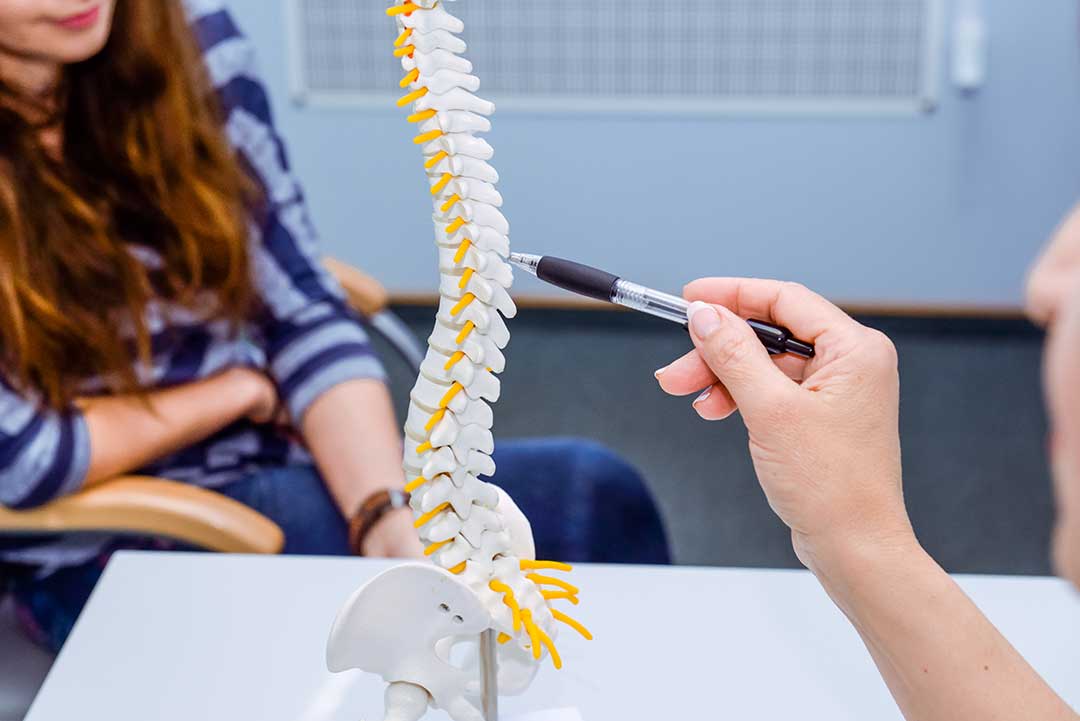
A short conversation can clarify whether the proposed care is appropriate. Useful questions include:
- What condition is being treated?
- What technique will be used?
- Are there non-thrust alternatives?
- What benefits are reasonably expected?
- What side effects are common?
- Which symptoms would require medical evaluation?
- How will progress be measured?
- What happens if the treatment does not help?
- Does the health history or medication list change the plan?
A person should feel free to decline a technique that has not been explained or that causes discomfort. Informed consent is not a formality; it is part of safe care.
When should chiropractic treatment wait?
Treatment should generally wait until a serious problem has been assessed when pain follows a major fall, collision, or other trauma, or when symptoms suggest infection, fracture, nerve compression, or a vascular emergency.
Examples of symptoms needing prompt medical assessment include:
- New or worsening weakness
- Loss of bladder or bowel control
- Numbness in the groin or inner thighs
- Fever with severe back or neck pain
- Unexplained weight loss with persistent pain
- Severe nighttime pain
- Fainting, chest pain, or shortness of breath
- Sudden neurological changes
In Lynbrook, seasonal conditions can add practical risks. Winter ice, wet sidewalks, basement stairs, and hurried commuting can contribute to falls and strains. Pain after a fall should not automatically be treated as a routine “adjustment” problem, particularly when there is swelling, bruising, restricted movement, or difficulty bearing weight.
How can someone make care safer?
The safest plan is individualized and conservative. It should match the diagnosis, use the least forceful effective approach, and include clear instructions about activity and follow-up.
People can improve safety by:
- Bringing an accurate medication and health-history list
- Reporting recent injuries, falls, or unusual symptoms
- Describing pain honestly rather than minimizing it
- Asking about alternatives to neck thrust techniques
- Following activity instructions without pushing through sharp or escalating pain
- Reassessing care if symptoms are not improving
- Seeking medical evaluation when red-flag symptoms appear
Chiropractic care may help some musculoskeletal complaints, but it is not a substitute for emergency care, diagnostic testing, surgery, or treatment of conditions outside its scope. The most reliable decisions come from matching the treatment to the actual problem, discussing risks openly, and recognizing when another form of medical evaluation is needed.
