
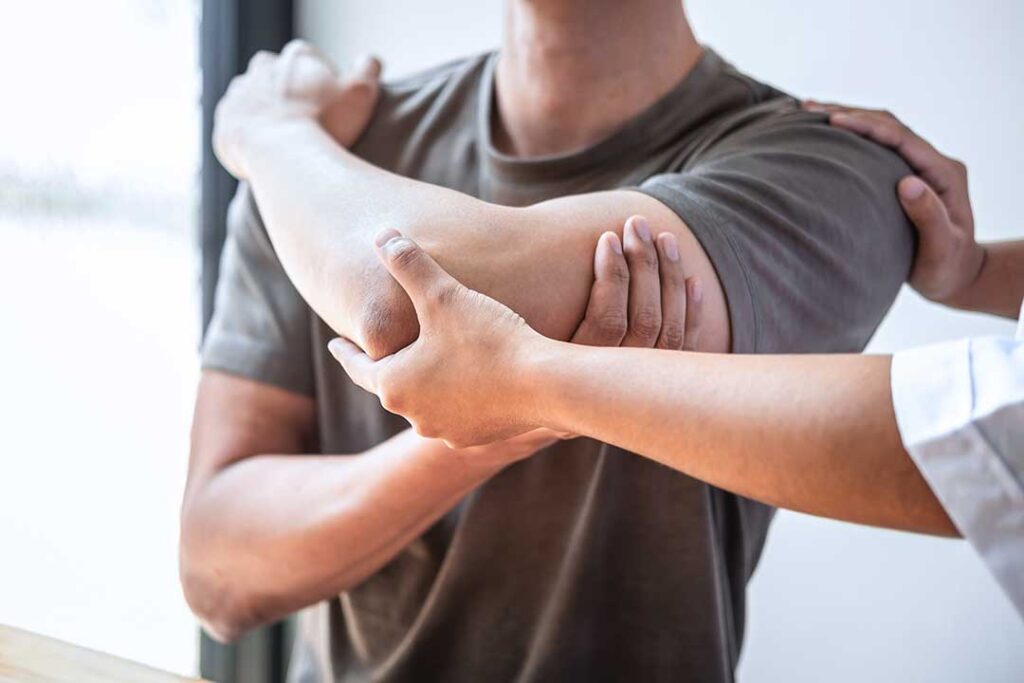
What are at-home mobility exercises?
At-home mobility exercises are gentle movements that help joints move comfortably through an available range of motion. Unlike strength training, which focuses on producing force, mobility work emphasizes controlled movement, coordination, and reducing stiffness.
For residents of Lynbrook, mobility exercises can be useful after long periods of sitting, commuting, desk work, household tasks, or seasonal outdoor activities. They require little space and usually no equipment.
Mobility exercises should feel controlled rather than forceful. A mild stretch or sense of movement is generally acceptable, but sharp pain, numbness, tingling, dizziness, or increasing symptoms are reasons to stop.
How often should mobility exercises be performed?
Most people can practice gentle mobility exercises daily or several times per week. A short routine of five to ten minutes may be more practical and sustainable than an occasional long session.
A simple approach is:
- Perform mobility exercises after waking, during a work break, or before recreational activity.
- Move slowly enough to notice how the body responds.
- Complete five to ten repetitions per movement unless otherwise stated.
- Breathe normally instead of holding the breath.
- Stay within a comfortable range rather than forcing a joint farther.
Mobility work is not meant to leave the body exhausted. It should help movement feel easier immediately or over time without causing a flare-up later in the day.
Which exercises help loosen the neck and upper back?
Gentle neck and upper-back movements may help people who spend time reading, using screens, driving, or working at a desk. These exercises should be performed upright with the shoulders relaxed.
Neck rotation
Sit or stand tall. Slowly turn the head to the right as if looking over the shoulder, then return to the center. Repeat on the left. Keep the chin level and avoid pushing into discomfort.
Chin tucks
Look straight ahead and gently draw the chin backward, as if creating a small double chin. Do not tilt the head down. Hold for three to five seconds, then relax.
Upper-back rotation
Sit near the front of a chair with the feet planted. Cross the arms over the chest and slowly rotate the upper body to one side without lifting the hips. Return to the center and repeat on the other side.
These movements should come primarily from the neck or upper back, not from straining the lower back or shrugging the shoulders.
What can help stiff shoulders?
Shoulder mobility often responds well to slow, supported movements. People who carry bags, perform home repairs, or spend the day with their arms in front of them may notice stiffness in this area.
Shoulder circles
Lift the shoulders gently toward the ears, move them backward, lower them, and then bring them forward in a smooth circle. Complete several circles in each direction.
Wall slides
Stand facing a wall with the forearms or hands resting lightly against it. Slowly slide the arms upward only as far as comfortable, then lower them. Keep the ribs from flaring and avoid forcing the shoulders overhead.
Pendulum movement
Support one hand on a table or countertop. Allow the opposite arm to hang loosely and make small circles with it. The movement should come from a gentle shift of the body rather than active swinging.
If shoulder motion is sharply painful, catches repeatedly, or causes weakness, mobility exercises should be paused until the problem is better understood.
Which movements are useful for the hips and lower back?
Hip mobility can support comfortable walking, stair use, bending, and getting up from a chair. The lower back often moves more easily when the hips and upper back are also moving well.
Seated hip hinge
Sit near the edge of a sturdy chair with the feet slightly wider than hip-width. Keeping the spine long, lean the chest forward from the hips, then return to an upright position. This rehearses bending without rounding deeply through the back.
Supported hip flexor stretch
Stand facing a counter or wall for balance. Place one foot slightly behind the other and gently bend the front knee while keeping the back heel lifted or lowered as comfortable. Shift the pelvis forward slightly until a stretch is felt at the front of the rear hip.
Pelvic tilts
Lie on the back with the knees bent and feet on the floor. Gently flatten the lower back toward the floor, then release into a neutral position. The movement should be small and controlled.
Figure-four stretch
While seated, place one ankle over the opposite thigh. Keep the back relatively straight and lean forward slightly until a stretch is felt around the outer hip. Avoid pressing down forcefully on the knee.
People with recent injuries, significant leg weakness, or pain traveling below the knee should not use stretching as a way to push through symptoms.
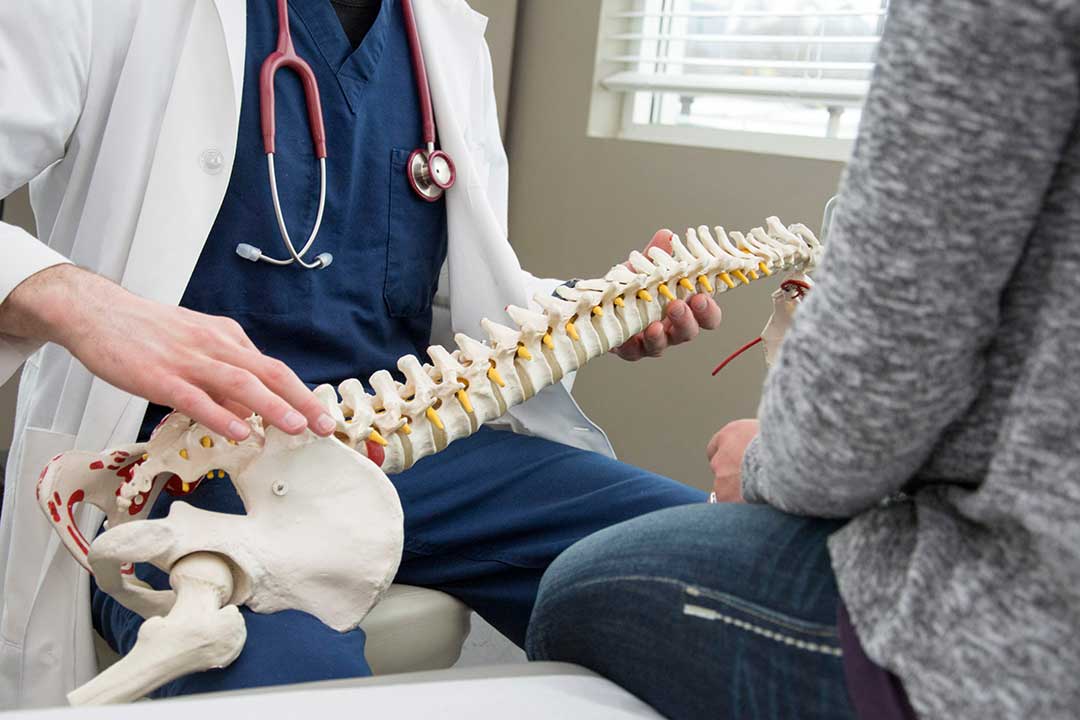
How can ankle and leg mobility be maintained at home?
Ankle movement affects balance, walking, squatting, and the ability to move comfortably over uneven surfaces. This can be especially useful during colder months when people may spend more time indoors and become less active.
Ankle circles
While seated or standing with support, lift one foot and slowly circle the ankle in both directions. Keep the movement smooth rather than quick.
Calf stretch
Face a wall and place both hands on it. Step one foot back, keep the heel grounded if comfortable, and gently bend the front knee. Maintain a steady position without bouncing.
Sit-to-stand
Use a sturdy chair. Place the feet under the knees, lean slightly forward, and stand up. Slowly sit back down. Use the hands only if needed for balance or control.
This exercise combines hip, knee, and ankle movement. It should be performed on a clear, non-slippery surface.
Should mobility exercises be done before or after activity?
Either timing can be appropriate, depending on the goal. Before walking, gardening, household chores, or exercise, use gentle movements such as shoulder circles, ankle circles, hip hinges, and controlled sit-to-stands.
After activity, slower stretches may feel more comfortable because the body is already warm. Long, forceful stretches are not necessary before movement and may be less suitable when the body is cold or stiff.
In a home with tight hallways, stairs, or limited floor space, standing exercises near a stable counter may be safer than floor-based movements. Clear loose rugs, cords, and clutter before beginning.
What mistakes should be avoided?
Common problems include moving too quickly, holding the breath, stretching aggressively, and assuming soreness means the exercise is working. Mobility should not require bouncing or forcing a joint to its limit.
Also avoid treating every symptom as ordinary stiffness. Medical evaluation is appropriate for symptoms such as:
- Sudden or severe pain
- New numbness, tingling, or weakness
- Loss of balance or coordination
- Pain following a fall or collision
- Loss of bladder or bowel control
- Fever, unexplained weight loss, or feeling seriously unwell
- Symptoms that steadily worsen or interfere with ordinary activities
For recurring discomfort without emergency warning signs, tracking which movements help or aggravate symptoms can provide useful information. A routine should be adjusted when pain consistently increases during the exercise or remains worse afterward.
How can a simple routine fit into daily life?
A practical routine might include neck rotations, shoulder circles, upper-back rotations, hip hinges, ankle circles, and five controlled sit-to-stands. The full sequence can take less than ten minutes.
Rather than waiting for stiffness to become pronounced, attach mobility work to an existing habit such as morning coffee, a lunch break, or preparing for an evening walk. Consistent, comfortable movement is generally more useful than occasional aggressive stretching.
