
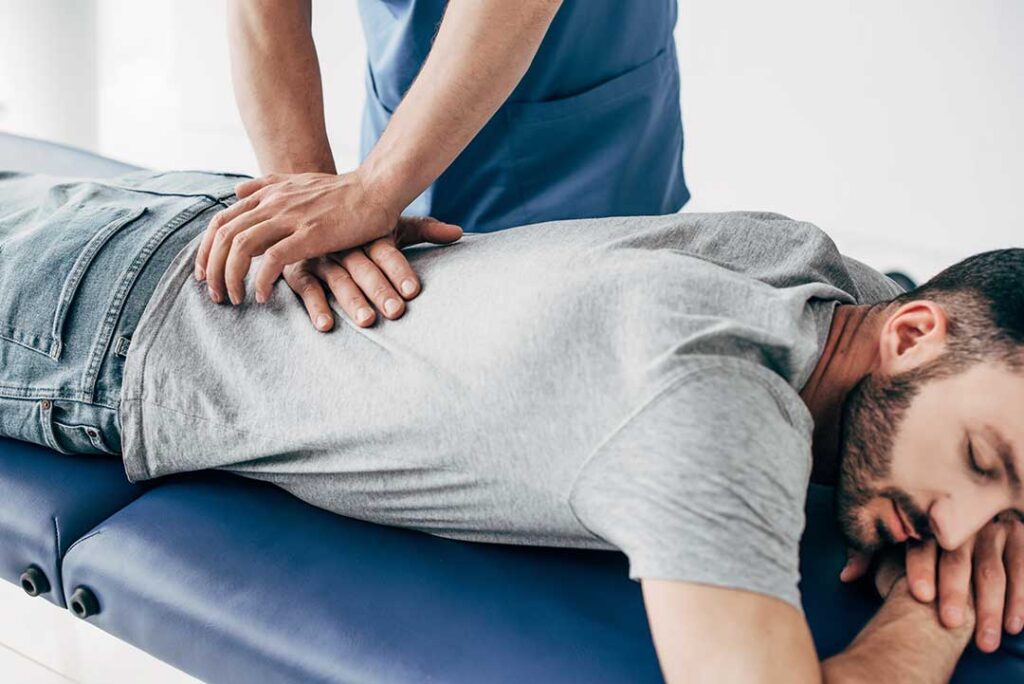
Back strength is not just about the muscles directly alongside the spine. The abdomen, hips, buttocks, and upper legs all help stabilize the back during walking, lifting, sitting, and everyday household tasks. A balanced routine can improve movement and may reduce the strain associated with long periods of sitting or sudden physical effort.
For local residents, back exercises can be especially useful before seasonal activities such as moving outdoor furniture, gardening, carrying groceries, or shoveling after winter storms. The goal is not to push through pain. It is to build strength gradually while keeping movements controlled.
What exercises help strengthen the back?
The most useful beginner exercises combine gentle trunk control with hip and abdominal strengthening. They can usually be performed at home with a firm surface and no special equipment.
Start with five to eight repetitions of each exercise. As the movements become easier, gradually work toward 10 to 15 repetitions. Slow, steady movement is more valuable than completing a high number of repetitions quickly.
Pelvic tilts
Pelvic tilts help a person learn how to gently engage the abdominal muscles and control the position of the lower back.
1. Lie on the back with the knees bent and feet flat on the floor.
2. Keep the shoulders relaxed.
3. Gently tighten the abdomen and flatten the lower back toward the floor.
4. Hold for about five seconds, then release.
5. Repeat five to 10 times.
The movement should be subtle. Avoid pressing forcefully or holding the breath.
Bridge exercises
Bridges strengthen the buttocks and the muscles that support the hips and lower spine. Stronger hip muscles can reduce the amount of work placed on the lower back during lifting and walking.
1. Lie on the back with knees bent and feet about hip-width apart.
2. Tighten the abdominal and buttock muscles.
3. Lift the hips slowly until the body forms a comfortable line from the shoulders toward the knees.
4. Pause for one or two seconds.
5. Lower the hips with control.
Begin with five repetitions. Stop if the exercise produces sharp back pain, cramping, or pain traveling down the leg.
Bird-dog
The bird-dog exercise trains balance and coordination while strengthening the back, abdomen, hips, and shoulders.
1. Start on the hands and knees, with the hands under the shoulders and knees under the hips.
2. Brace the abdomen gently.
3. Extend one leg backward without arching the lower back.
4. If balance allows, extend the opposite arm forward.
5. Hold for a few seconds, then return to the starting position.
6. Alternate sides.
A smaller movement is appropriate at first. Some people may find it easier to extend only one leg or one arm at a time.
Wall sits
Wall sits strengthen the thighs and buttocks, which help support the back during standing, stair climbing, and lifting.
1. Stand with the back against a wall and feet slightly forward.
2. Slide down only as far as comfortable.
3. Keep the knees aligned with the feet rather than allowing them to fall inward.
4. Hold for 10 to 20 seconds.
5. Slowly return to standing.
There is no need to lower into a deep squat. A shallow position can provide an effective starting point.
Hip hinges
A hip hinge teaches the body to bend from the hips rather than rounding repeatedly through the lower back. This is useful for lifting laundry baskets, gardening supplies, packages, and other household items.
1. Stand with the feet about hip-width apart.
2. Place the hands across the chest or along the sides of the hips.
3. Keep the spine in a comfortable neutral position.
4. Push the hips backward while slightly bending the knees.
5. Return to standing by pressing through the feet and tightening the buttocks.
Practice without lifting anything until the motion feels natural. When carrying an object, keep it close to the body and avoid twisting.
Should stretching be included?
Yes. Strengthening and mobility work often complement each other. Gentle stretching may help reduce stiffness, particularly after sitting at a desk, driving, or spending time on household projects.
Useful options include:
- A gentle knee-to-chest stretch, performed one leg at a time
- A controlled cat-cow movement on the hands and knees
- A relaxed hamstring stretch with the knee slightly bent
- A short walk to warm the muscles before strengthening exercises
Stretching should feel mild rather than forceful. Bouncing, sudden twisting, or pushing into severe discomfort can aggravate symptoms.

How often should these exercises be done?
For many adults, a short routine two or three times per week is a practical starting point. Light walking can be added on most days, as tolerated. People who have been inactive may benefit from beginning with only one or two exercises and adding more gradually.
Consistency matters more than intensity. Ten minutes of controlled movement performed regularly is generally more sustainable than an exhausting workout done occasionally.
A warm-up can be as simple as walking around the home for several minutes, gently moving the arms, or marching in place. Afterward, allow time for the breathing and muscles to return to normal rather than stopping abruptly after strenuous activity.
What common mistakes should be avoided?
Several habits can make back exercises less effective or increase discomfort:
- Holding the breath during effort
- Moving too quickly
- Overarching or rounding the back excessively
- Adding weights before mastering body position
- Continuing an exercise that causes sharp, electric, or radiating pain
- Exercising intensely after a long period of inactivity
- Remaining in bed for extended periods because of ordinary back soreness
Mild muscle fatigue can be expected. Increasing pain during the exercise or pain that continues to worsen afterward is a reason to stop and reassess the routine.
When is back pain a reason to seek medical evaluation?
Exercise is not appropriate as a substitute for evaluation when warning signs are present. Prompt medical attention is appropriate for back pain accompanied by new weakness, numbness in both legs, loss of bladder or bowel control, numbness around the groin, fever, unexplained weight loss, or pain following a serious fall or collision.
Evaluation is also sensible when pain is severe, repeatedly returns, travels below the knee, interferes with sleep, or does not begin improving after several weeks of self-care. People with osteoporosis, a recent fracture, recent surgery, significant arthritis, or other medical conditions should ask a qualified healthcare professional which exercises are suitable before beginning.
How can back strength support everyday life in Lynbrook?
Back-friendly movement is useful beyond formal exercise. During winter, snow and ice can make shoveling and carrying more demanding. Use a shovel that is manageable, push snow when possible, take frequent breaks, and avoid twisting while lifting heavy loads.
At home, alternate sitting and standing, keep frequently used items within easy reach, and use the legs and hips when lifting. During gardening, change positions regularly instead of remaining bent forward for long periods.
The safest routine is one that fits current ability, progresses slowly, and leaves the body feeling worked but not injured.
