

Residents of Lynbrook, NY often compare chiropractic care and massage therapy when dealing with back pain, neck tension, headaches, stiffness, or discomfort after work and daily activities. Although both approaches may involve hands-on treatment, they differ in training, goals, techniques, and the types of problems they are designed to address.
Neither approach is automatically better for every person. The more suitable option depends on whether the main concern involves joints and movement, muscles and soft tissue, an injury, a long-term condition, or symptoms that require medical evaluation.
What is the main difference between chiropractic care and massage therapy?
Chiropractic care generally focuses on the relationship between the spine, joints, movement, and the nervous system. Massage therapy focuses primarily on muscles, connective tissue, circulation, relaxation, and areas of soft-tissue tension.
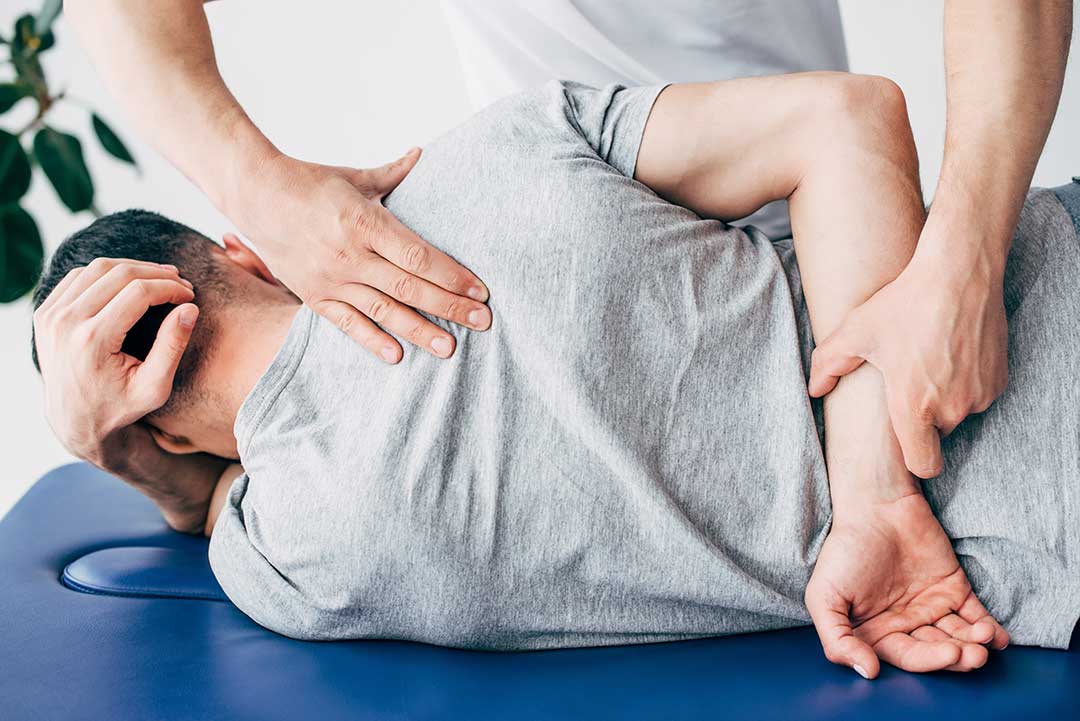
A chiropractor may evaluate posture, joint motion, spinal movement, and functional limitations. Treatment may include spinal manipulation, mobilization, stretching, exercise guidance, or other supportive techniques.
A massage therapist typically uses methods such as kneading, compression, gliding strokes, stretching, or sustained pressure. The goal may be to reduce muscle tightness, improve comfort, support relaxation, or temporarily improve range of motion.
The two approaches can overlap. Some chiropractic visits include soft-tissue work, and some massage therapists use movement-based techniques. The title of the provider does not always describe every method used during a session, so asking what a treatment involves can help avoid confusion.
How do the treatments differ in practice?
Chiropractic treatment often begins with a health history and physical assessment. The provider may ask about pain location, onset, previous injuries, medications, daily activities, and symptoms such as numbness or weakness.
Depending on the findings, treatment may involve:
- Manual adjustment or manipulation of a joint
- Gentle mobilization to improve movement
- Soft-tissue techniques
- Stretching or strengthening exercises
- Advice about posture, lifting, sitting, or activity modification
Massage therapy usually begins with a discussion of the client’s goals, areas of discomfort, pressure preferences, and relevant health conditions. Treatment commonly takes place on a padded table and may focus on a specific region, such as the shoulders, lower back, hips, or legs.
Massage techniques may include:
- Swedish or relaxation massage
- Deeper pressure for persistent muscle tightness
- Trigger-point work
- Myofascial techniques
- Assisted stretching
- Localized treatment for overused muscles
The experience can also feel different. Chiropractic care may include brief, targeted movements intended to affect joint mobility. Massage is generally more continuous and directed toward muscles and soft tissues.
Which option may be more appropriate for back or neck pain?
For muscle tightness caused by prolonged sitting, repetitive tasks, exercise, or stress, massage may provide short-term relief. This can be relevant for people who spend long periods at a desk, commute regularly, perform household work, or experience seasonal changes in activity.
Chiropractic care may be considered when stiffness or discomfort appears connected to restricted joint movement, difficulty turning or bending, or changes in how the spine and other joints function. Some people seek it for low-back pain, neck pain, or certain types of headache.
Research on both approaches suggests that benefits can vary. Spinal manipulation and massage may offer mild to moderate relief for some people with low-back pain, but neither treatment is a universal solution. Exercise, sleep, ergonomic changes, medical care, and gradual return to normal activity may also be important.
Pain that follows a fall, collision, lifting injury, or other sudden event deserves careful assessment. Treatment should not be based only on the location of the pain.
Is one treatment better for muscle tension?
Massage therapy is usually more directly aimed at muscle tension. It may help when the dominant symptoms are soreness, tight bands of muscle, stress-related shoulder tension, or discomfort after physical activity.
Chiropractic treatment may also include work on muscles, but its evaluation commonly considers how joints move and how the body functions as a whole. If muscle tension is occurring because of altered movement, limited joint mobility, or protective guarding around an irritated area, a broader assessment may be useful.
Muscle tightness can also be a response to an underlying problem. Persistent spasms, pain that travels down an arm or leg, numbness, or noticeable weakness should not be treated as ordinary tension without further evaluation.
Can chiropractic care and massage therapy be used together?
They can sometimes be used as complementary approaches, but combining treatments is not automatically necessary. The main concern should be whether each treatment has a clear purpose and whether the person’s health history makes it appropriate.
For example, massage may help reduce soft-tissue tension while an exercise program addresses strength and movement. Chiropractic treatment may focus on joint mobility while other care addresses sleep, work habits, or an underlying medical condition.
Using several treatments at once can make it difficult to know which one helped or caused a flare-up. A gradual approach is often easier to evaluate than starting multiple new therapies simultaneously.
What safety issues should Lynbrook residents consider?
Both treatments are generally considered low risk for many healthy adults when performed appropriately, but they are not risk-free.
Temporary soreness, fatigue, stiffness, or a mild increase in discomfort can occur after either treatment. Vigorous massage may be unsuitable for people with certain bleeding conditions, fragile bones, open wounds, active skin problems, or medications that increase bleeding risk.
Spinal manipulation requires particular caution for people with significant osteoporosis, recent fractures, serious joint instability, certain neurological conditions, or symptoms suggesting a more serious spinal problem. Neck manipulation deserves careful discussion because rare but serious complications have been reported.
Pregnancy, recent surgery, cancer treatment, blood-clotting disorders, unexplained weight loss, fever, and significant chronic illness should be disclosed before hands-on care. The appropriate technique may need to be modified, postponed, or avoided.
Urgent medical evaluation is more appropriate than massage or chiropractic treatment for symptoms such as:
- New loss of bladder or bowel control
- Progressive weakness
- Numbness in the groin or inner thighs
- Severe pain after major trauma
- Chest pain, shortness of breath, or fainting
- Fever with severe back or neck pain
- A sudden, unusual headache or neurological change
What questions should someone ask before treatment?
A short conversation can clarify whether a treatment is suitable. Useful questions include:
- What problem is this treatment intended to address?
- What techniques will be used?
- Are there alternatives that do not involve forceful movement or deep pressure?
- What side effects are common?
- What symptoms would mean treatment should stop?
- How will progress be measured?
- Should another type of medical evaluation occur first?
The clearest distinction is simple: chiropractic care is generally centered on joints, spinal movement, and functional assessment, while massage therapy is primarily centered on muscles and soft tissues. For many common aches, either may provide temporary relief, but persistent, severe, unexplained, or neurologic symptoms call for broader medical attention rather than repeated hands-on treatment alone.
