
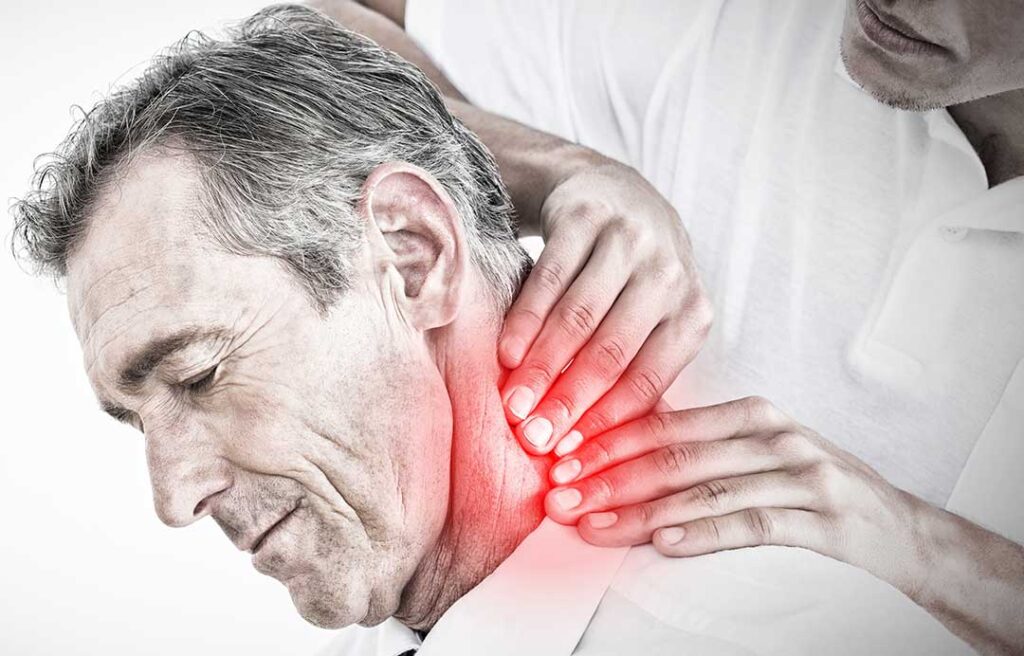
What does spinal health have to do with quality of life?
Spinal health affects more than whether a person has back or neck pain. The spine supports movement, balance, posture, and the protection of the spinal cord and nerve structures. When discomfort or limited mobility develops, ordinary activities such as sleeping, working, driving, exercising, or caring for family members may become more difficult.
For residents of Lynbrook, NY, spinal health can also shape how comfortably people manage daily routines in a busy suburban environment. Commuting, prolonged sitting, household chores, lifting, walking, and seasonal outdoor maintenance can all place repeated demands on the back and neck.
A healthy spine does not mean perfect posture or never experiencing soreness. It generally means having enough mobility, strength, coordination, and recovery capacity to perform daily activities without persistent limitations.
How can spinal problems affect daily activities?
Spinal discomfort often changes the way a person moves. Someone with low back pain may avoid bending, lifting, walking longer distances, or participating in recreation. Neck pain can make it harder to turn the head while driving, work at a computer, or sleep comfortably.
These changes can create a cycle:
- Pain leads to less movement.
- Less movement can reduce strength and flexibility.
- Reduced strength may make ordinary tasks feel more demanding.
- Increased effort can contribute to fatigue, guarding, and additional discomfort.
The result is not always severe disability. Sometimes the effect is more subtle: taking frequent breaks, avoiding stairs, declining social activities, or needing extra time to complete routine tasks. Over weeks or months, these small restrictions can influence mood, sleep, work performance, and independence.
Why are sleep, stress, and spinal pain connected?
Back and neck symptoms commonly interfere with sleep, especially when turning in bed or maintaining one position becomes uncomfortable. Poor sleep can make pain feel more intense and may reduce energy for physical activity the following day.
Stress can also influence how the body experiences discomfort. During stressful periods, people may tighten the muscles around the shoulders, neck, and lower back, breathe shallowly, or spend more time sitting still. These responses do not mean that pain is imaginary. They show that pain is affected by the interaction of muscles, nerves, sleep, mood, and daily habits.
Improving sleep routines, taking regular movement breaks, and using relaxation methods may support recovery. These steps are not substitutes for evaluation when symptoms are persistent, severe, or unusual, but they can be useful parts of a broader health plan.
Does posture cause spinal pain?
Posture can contribute to strain, but there is no single “perfect” posture that prevents all pain. A position that is comfortable for one person may be tiring for another, and staying in any position too long can cause stiffness.
Common sources of strain include:
- Looking down at a phone for extended periods
- Working at a desk without changing position
- Sitting in a car for a long commute
- Sleeping with the neck unsupported
- Reaching, lifting, or twisting repeatedly
- Carrying a heavy bag on one side
The practical goal is not rigid posture. It is variety. Adjust the chair, screen, and work surface so the head is not continually pushed forward. Keep frequently used items within easy reach. Stand, walk, or gently move the joints during long periods of sitting.
In area homes, seasonal tasks such as moving outdoor furniture, shoveling, gardening, or carrying storage containers may place sudden demands on muscles that are not accustomed to the activity. Breaking a task into smaller portions and using the legs and hips during lifting can reduce unnecessary stress on the lower back.
What types of movement support spinal health?
Regular movement helps maintain strength, flexibility, balance, and confidence. Walking is often a practical starting point because it requires little equipment and can be adjusted in duration and pace. Other options may include swimming, cycling, strength exercises, mobility work, or activities that improve balance.
A useful routine usually includes several components:
- Aerobic movement: Supports general fitness and circulation.
- Strength training: Builds the muscles that help control the trunk, hips, and shoulders.
- Mobility exercises: Help maintain comfortable movement through the hips, upper back, and neck.
- Balance practice: May reduce fall risk, particularly as people age.
- Recovery time: Allows the body to adapt instead of repeatedly aggravating symptoms.
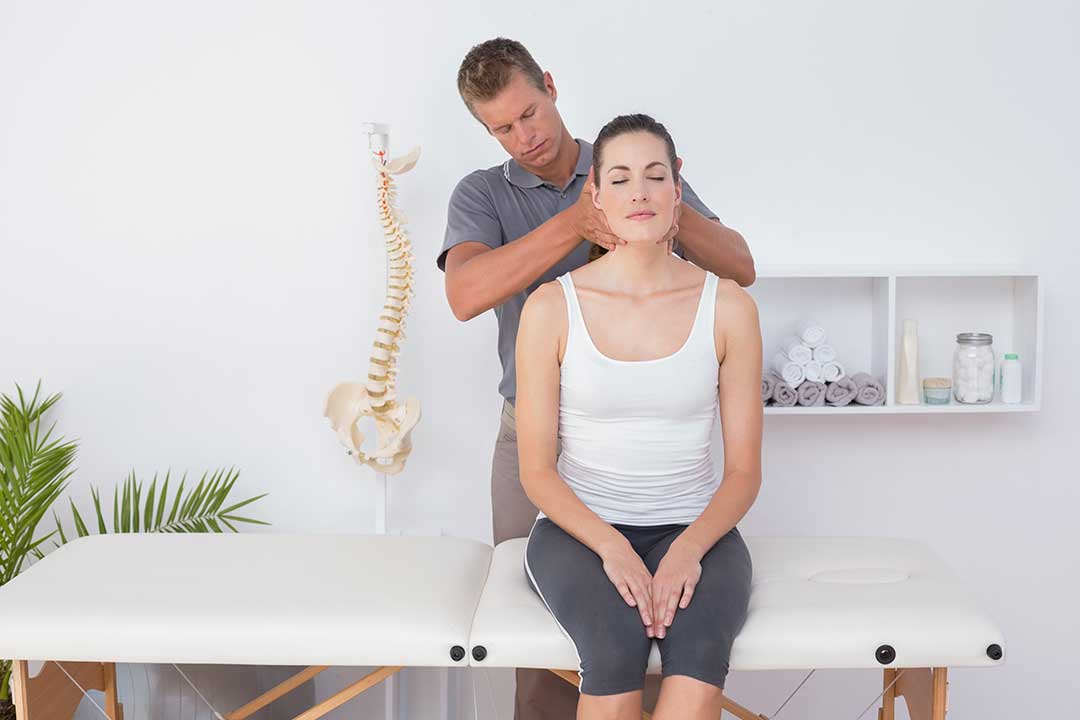
Exercise should be increased gradually. New or worsening pain is a reason to modify the activity rather than push through it. People with an injury, significant medical condition, weakness, or symptoms extending into an arm or leg may need individualized guidance before beginning a new routine.
Can spinal health affect mental and social well-being?
Persistent pain can narrow a person’s life. A resident may stop attending gatherings, playing with children, exercising, or pursuing hobbies because those activities seem likely to increase symptoms. This loss of participation can contribute to frustration, low mood, and isolation.
The relationship also works in the other direction. Anxiety, depression, ongoing stress, and poor sleep can increase sensitivity to pain and make recovery more difficult. Addressing these factors is not an admission that symptoms are “all in the head.” It is recognition that the nervous system, emotional health, and physical function are closely connected.
Maintaining safe social activity, staying involved in enjoyable routines, and setting manageable movement goals can help preserve quality of life while a spinal problem is being addressed.
When should back or neck symptoms be evaluated promptly?
Most episodes of ordinary back soreness improve with time and appropriate activity modification. However, certain symptoms require prompt medical attention because they may indicate nerve involvement, infection, fracture, or another condition needing urgent assessment.
Seek prompt care for spinal pain accompanied by:
- New loss of bladder or bowel control
- Numbness around the inner thighs or groin
- Significant weakness in an arm or leg
- Trouble walking or maintaining balance
- Fever, unexplained weight loss, or a history of cancer
- Pain after a serious fall or blow
- Severe pain that does not ease in any position
- Pain that is progressively worsening or repeatedly wakes a person at night
Pain traveling below the knee or into an arm, especially with numbness or weakness, also deserves evaluation. A health professional can help determine whether the symptoms are related to muscles, joints, discs, nerves, or another source.
How can residents protect spinal health over time?
Spinal health is supported by consistent habits rather than a single posture, stretch, or treatment. Practical steps include staying physically active, changing positions regularly, using safe lifting mechanics, maintaining a comfortable workstation, getting adequate sleep, and avoiding tobacco.
It is also useful to pay attention to function. Can the person walk, sleep, work, bend, lift, and participate in normal activities? These questions often provide a clearer picture than pain intensity alone.
The goal is not to eliminate every sensation from the back or neck. A healthier standard is the ability to move with confidence, recover from ordinary exertion, and take part in the activities that give daily life structure and meaning.
