
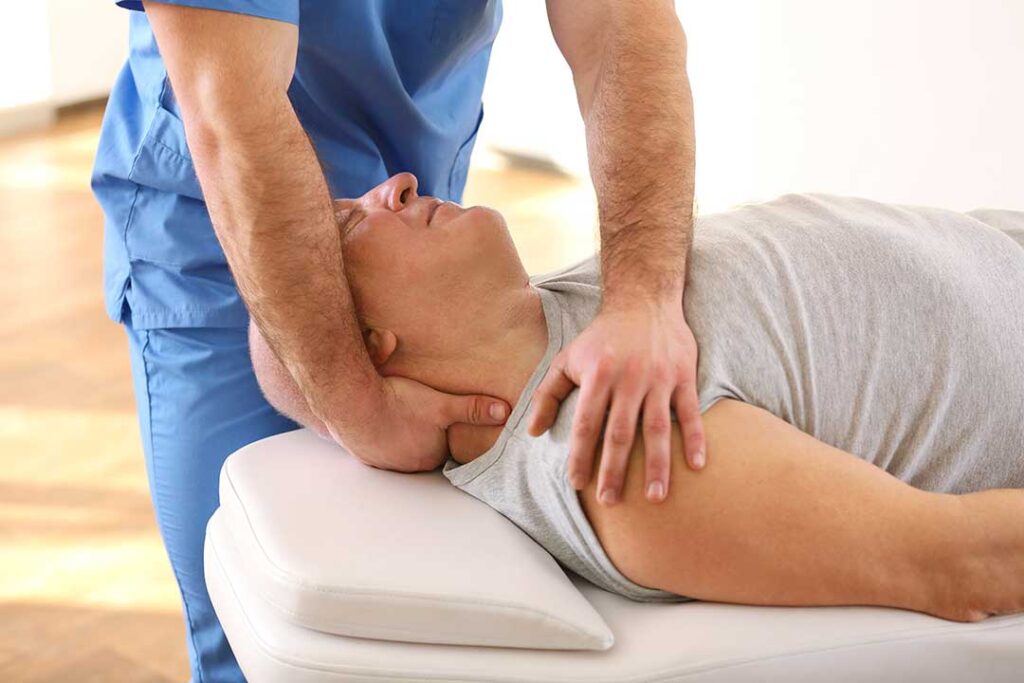
Scoliosis is a three-dimensional change in the shape of the spine that can involve sideways curvature and rotation of the vertebrae. Chiropractic care may help some people manage discomfort, stiffness, movement limitations, and related muscle tension, but current evidence does not show that spinal adjustments reliably straighten a structural scoliosis curve or prevent it from progressing.
For residents in Lynbrook, NY, the most useful approach is to understand the type and severity of the curve, identify symptoms that need medical evaluation, and view chiropractic treatment—if used—as one part of a coordinated care plan rather than a substitute for scoliosis monitoring.
What is scoliosis?
Scoliosis is generally defined as a spinal curve measuring at least 10 degrees on an X-ray, along with rotation of the spine. It can develop during childhood or adolescence, arise from age-related spinal changes, or occur because of conditions affecting the nerves, muscles, or bones.
Common signs include:
- One shoulder or hip appearing higher than the other
- An uneven waistline
- A prominent shoulder blade
- Clothes hanging unevenly
- The trunk shifting to one side
- Back fatigue, stiffness, or pain
A visible asymmetry does not always mean that a person has scoliosis. Differences in leg length, muscle tension, posture, or pelvic position can create an appearance that resembles a curve. A physical examination and, when appropriate, imaging help distinguish a structural curve from a temporary postural pattern.
Can chiropractic care straighten scoliosis?
Usually, no. Chiropractic adjustments may temporarily influence joint motion, muscle tension, or a person’s sense of alignment, but there is not strong evidence that routine spinal manipulation corrects the underlying structural curve.
This distinction matters because scoliosis is not simply a collection of “misaligned” joints. The spine may be curved and rotated in several directions, and the bones, discs, muscles, and surrounding tissues may all contribute to the person’s posture and symptoms.
Research on spinal manipulation for adolescent scoliosis has been limited by small studies, inconsistent treatment methods, and a lack of long-term follow-up. As a result, chiropractic care should not be presented as a proven method for reversing scoliosis, replacing bracing, or eliminating the need for orthopedic evaluation.
What symptoms might chiropractic treatment help?
Chiropractic care may be considered for selected symptoms, particularly when the goal is comfort and function rather than changing the curve itself. Possible targets include:
- Mechanical low-back pain
- Neck or upper-back tension
- Stiffness after sitting or standing
- Muscle guarding
- Reduced range of motion
- Difficulty tolerating ordinary activities
Care may involve gentle manual techniques, mobility work, soft-tissue treatment, advice about movement, and exercises. The exact approach should depend on age, symptoms, medical history, bone health, neurological findings, and whether the curve is stable.
A person may feel less pain after treatment without having any meaningful change in the spinal curvature. Symptom improvement is valuable, but it should not be confused with correction of scoliosis.
How does care differ for children and adults?
Children and adolescents require particular caution because scoliosis may progress while the skeleton is still growing. A child with a new asymmetry, persistent pain, or suspected curve may need evaluation by a pediatrician, orthopedic clinician, or other qualified medical professional. Monitoring often includes repeat examinations and, when indicated, X-rays taken over time.
For growing adolescents, evidence-supported management may include observation for smaller curves, specialized bracing for selected moderate curves, and surgery for certain severe or progressive curves. Chiropractic treatment should not delay those options or replace recommended follow-up.
Adults may develop degenerative scoliosis as discs and facet joints change with age. Others have curves that began during adolescence. Adult care often focuses on pain control, strength, balance, walking tolerance, and maintaining independence. Physical therapy, appropriately selected exercise, medication, injections, or surgery may be considered depending on symptoms and nerve involvement.
What should a careful evaluation include?
A responsible evaluation should look beyond posture alone. It may include:
- The age when the curve or symptoms began
- Previous X-rays or other imaging
- Changes in height, balance, walking, or coordination
- Pain location, duration, and severity
- Numbness, tingling, or weakness
- Bowel or bladder changes
- History of osteoporosis, fractures, cancer, infection, or inflammatory disease
- Current medications and other health conditions
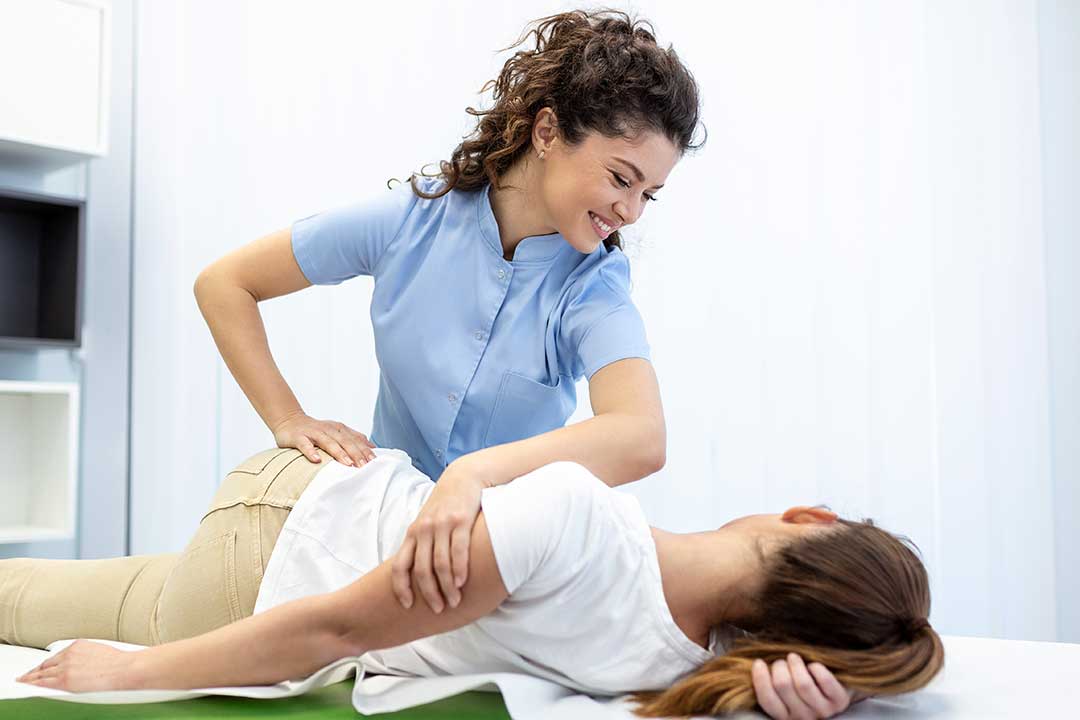
The Cobb angle, measured on a standing spinal X-ray, is commonly used to describe curve size. However, the number alone does not determine how a person feels or what treatment is appropriate. Growth status, curve location, progression, balance, pain, and neurological symptoms also matter.
When is chiropractic treatment not enough?
Certain symptoms require prompt medical assessment rather than routine conservative care. These include:
- New or worsening leg weakness
- Numbness that is spreading or severe
- Loss of balance or difficulty walking
- Changes in bowel or bladder control
- Severe pain after a fall or other injury
- Fever, unexplained weight loss, or feeling acutely ill
- Significant pain that repeatedly wakes a person at night
- A rapidly changing spinal appearance in a child or teenager
These signs can indicate nerve compression, fracture, infection, or another condition that may not be explained by ordinary mechanical scoliosis.
What exercises are generally useful?
Most people with scoliosis should not avoid all physical activity. Walking, swimming, cycling, strength training, and other activities may be appropriate when adjusted to the person’s abilities and symptoms. Prolonged inactivity can contribute to deconditioning and make daily tasks harder.
Exercise selection should be individualized. A rehabilitation program may address trunk strength, hip strength, breathing mechanics, balance, flexibility, and movement habits. Scoliosis-specific exercise methods, including three-dimensional approaches, may be discussed with a clinician or physical therapist familiar with spinal deformity.
Exercises should not be prescribed solely from an online curve diagram. A movement that feels comfortable for one person may aggravate another, particularly when nerve symptoms, osteoporosis, or significant spinal degeneration is present.
How can local routines affect symptoms?
Seasonal habits in the community can influence discomfort even though they do not cause scoliosis. Long periods of sitting during winter, carrying heavy bags, shoveling, lifting storage items, or spending extended time driving may increase muscle fatigue. In homes with stairs or limited storage space, repeated lifting and awkward reaching can also expose an existing weakness.
Practical measures include using both backpack straps, dividing heavy loads, changing position regularly, warming up before demanding chores, and building activity gradually after periods of inactivity. These steps may reduce strain, but they do not correct a structural spinal curve.
What is the most balanced answer?
Chiropractic care may have a role in managing pain, stiffness, and movement-related symptoms for some people with scoliosis. It should not be described as a reliable way to straighten the spine, stop curve progression, or replace medical monitoring, bracing, specialized rehabilitation, or surgery when those treatments are indicated.
The safest plan begins with an accurate assessment, clear treatment goals, and communication among the relevant healthcare professionals. For children and teenagers especially, a suspected or changing curve deserves timely evaluation because treatment decisions depend heavily on growth and progression.
