
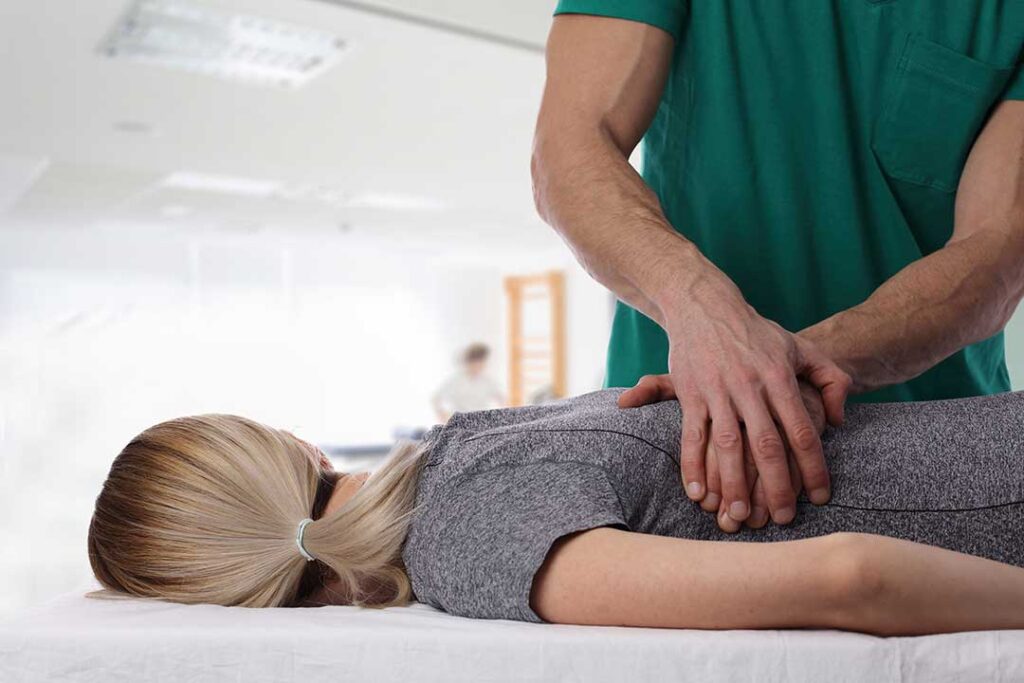
High heels can change how the feet, legs, pelvis, and spine work together. For some people, wearing them occasionally causes only temporary foot or calf discomfort. For others, especially after several hours of standing or walking, heels may contribute to low back soreness, muscle fatigue, balance problems, or pain that continues after the shoes are removed.
The effect depends on more than heel height. Time spent wearing the shoes, walking surface, shoe fit, body mechanics, prior injuries, muscle strength, and individual sensitivity all matter.
How can high heels affect the lower back?
High heels shift the body’s weight forward toward the balls of the feet. To remain upright, a person may adjust the ankles, knees, hips, pelvis, and trunk. These changes can increase activity in muscles that help stabilize the spine.
The body may respond by:
- Tilting the pelvis or changing its position
- Increasing tension in the calf muscles and Achilles tendon
- Bending the knees slightly
- Adjusting the curve of the lower back
- Taking shorter steps and reducing ankle movement
- Using more effort to maintain balance
These adaptations are not automatically harmful. The spine is designed to move and adjust. However, holding altered positions for a long period can create fatigue, particularly in the muscles around the lower back, hips, and legs.
A common misconception is that high heels always force the lower back into a dramatically increased arch. Research has found mixed results regarding changes in lumbar curvature. The more consistent concern is that heels alter overall movement and muscle use, which may increase discomfort in susceptible individuals.
Does wearing high heels cause chronic back pain?
Not necessarily. High heels are one possible contributor, not a universal cause of chronic back pain.
Research has identified associations between high-heel use and musculoskeletal discomfort, but studies differ in design, participant age, heel height, and wearing habits. A person may wear heels regularly without developing back pain, while someone else may experience symptoms after a short period.
Back pain is influenced by many factors, including:
- Previous strains or injuries
- Weakness or poor endurance in the hips and trunk
- Limited ankle mobility
- Long periods of standing
- Repeated lifting or bending
- Sleep, stress, and general activity levels
- Foot problems such as bunions or forefoot pain
High heels may amplify an existing movement problem rather than create a new spinal condition. For example, someone with tight calves and limited ankle motion may compensate more noticeably when the heel is elevated.
Why does pain sometimes appear after a special event?
Pain may develop after a wedding, formal gathering, work function, or evening that involves several hours of standing. The issue is often cumulative exposure rather than one brief moment in heels.
Standing on hard surfaces, walking across uneven pavement, and moving between indoor and outdoor areas can add to the physical demand. In Lynbrook, seasonal weather can also affect footing. Wet sidewalks, snow, slush, and icy surfaces increase the need for balance and cautious stepping, making narrow or unstable heels more challenging.
Pain that appears later in the evening may come from muscle fatigue. Discomfort the following morning may reflect irritated soft tissues in the feet, calves, hips, or back rather than a serious spinal injury.
Which types of heels place less stress on the body?
No single shoe design is ideal for everyone, but some features generally improve stability and reduce the amount of compensation required.
A lower, wider heel is usually easier to control than a tall, narrow heel. A shoe with a secure strap or firm fit may reduce sliding inside the shoe. A broader toe area can reduce crowding at the front of the foot, while cushioning may improve comfort on hard floors.
Helpful considerations include:
- Choosing the lowest heel that meets the activity’s needs
- Using a wider heel base rather than a narrow point
- Avoiding shoes that pinch the toes or allow the foot to slide forward
- Alternating heels with supportive, comfortable footwear
- Sitting periodically during long events
- Taking shorter, controlled steps on uneven or slippery surfaces
- Allowing enough space for the toes to spread naturally
A platform does not always eliminate strain. Although it may reduce the difference in height between the heel and the front of the foot, the shoe can still be heavy, unstable, or difficult to walk in.
Can stretching and strengthening reduce discomfort?
They may help, particularly when discomfort is related to muscle fatigue or limited mobility. Stretching should feel gradual rather than forceful.
Useful areas to address include the calf muscles, hamstrings, hip flexors, and the muscles around the hips. Strengthening the gluteal muscles and trunk can improve endurance during standing and walking. Balance exercises may also be useful for people who frequently feel unsteady in elevated footwear.
A simple routine might include:
- Gentle calf stretching after removing the shoes
- Controlled heel raises while holding a stable surface
- Bridges or other hip-strengthening movements
- Short walks in comfortable footwear
- Light mobility exercises for the ankles and hips
Exercise should not significantly increase pain, cause new numbness, or produce weakness. Persistent symptoms may require an individualized assessment to determine whether the main source is the back, hip, foot, or another structure.
Should someone stop wearing high heels if back pain develops?
Reducing use for a period is reasonable if heels clearly worsen symptoms. Switching to stable footwear, limiting standing time, and avoiding uneven walking surfaces may help the irritated tissues settle.
It is also useful to observe patterns. Consider whether pain occurs only after several hours, appears with certain heel heights, or continues on days when different shoes are worn. Keeping brief notes can help identify whether footwear is a meaningful trigger.
Pain that repeatedly returns, interferes with sleep or normal activities, or does not improve after reducing the aggravating activity deserves medical attention. A chiropractor, physician, physical therapist, or other qualified clinician may evaluate movement, strength, joint mobility, and possible nerve involvement. The appropriate provider depends on the symptoms and the person’s medical history.
When is back pain a warning sign?
Most footwear-related soreness is not an emergency. However, urgent medical evaluation is appropriate for back pain accompanied by:
- New loss of bladder or bowel control
- Numbness around the inner thighs, buttocks, or genital area
- Significant or worsening weakness in a leg
- Numbness or weakness in both legs
- Severe pain after a fall or other injury
- Fever, unexplained weight loss, or feeling seriously unwell
These symptoms may indicate a condition that is not simply related to shoes.
High heels do not automatically damage the spine, and avoiding them is not the only path to back comfort. The practical goal is to manage exposure, improve stability, pay attention to early symptoms, and choose footwear that fits the activity and walking conditions. For local residents balancing work, events, commuting, and seasonal outdoor surfaces, those decisions can make a noticeable difference in how the back feels by the end of the day.
