

Muscle pain can come from overuse, stress, minor injury, prolonged sitting, or changes in activity. A trigger point is a particularly sensitive area within a tight band of muscle that may hurt when pressed and sometimes send pain to another location.
For residents of Lynbrook, NY, common routines such as commuting, desk work, household tasks, recreational exercise, and seasonal outdoor activity can all contribute to muscle tension. Understanding how trigger points behave can make it easier to recognize ordinary muscle strain, choose sensible self-care, and notice symptoms that deserve medical attention.
What is a trigger point?
A trigger point is a tender, irritable spot within a muscle or the surrounding connective tissue, called fascia. It may feel like a small knot, firm band, or unusually sensitive area.
Trigger points are often described in two ways:
- Active trigger points hurt during ordinary movement or at rest and may produce pain elsewhere.
- Latent trigger points may not hurt unless the area is pressed, stretched, or used repeatedly.
The term is commonly associated with myofascial pain. “Myo” refers to muscle, while “fascial” refers to the connective tissue that surrounds and supports muscles. Trigger points are not the same as a muscle tear, joint injury, nerve disorder, or disease affecting the entire body.
Why can a small knot cause pain somewhere else?
Trigger points can produce referred pain, meaning the painful sensation is felt away from the irritated muscle. For example, a tight area in the upper shoulder may contribute to pain near the neck, temple, or upper back. A trigger point in a hip or buttock muscle may be felt farther down the leg without involving a spinal nerve.
Referred pain can make self-diagnosis difficult. The most uncomfortable location is not always the source. This is one reason a careful evaluation considers movement, strength, sensation, recent activity, posture, and the pattern of symptoms rather than focusing only on the most painful spot.
What commonly causes trigger points?
Trigger points may develop when a muscle is repeatedly loaded without enough recovery. A single injury can also leave a sensitive area behind, particularly if normal movement changes while the tissue heals.
Common contributors include:
- Repetitive lifting, reaching, gripping, or bending
- Holding the head or shoulders in one position for long periods
- Sudden increases in walking, running, gardening, or exercise
- Sleeping in an awkward position
- Poorly adjusted workstations or prolonged device use
- Stress-related muscle tightening, jaw clenching, or raised shoulders
- Weakness or limited mobility in nearby muscles
- Returning to activity too quickly after a period of inactivity
Cold weather does not directly create a trigger point, but chilly conditions can encourage muscle guarding and reduced movement. During colder months, people may also spend longer indoors, sit more, or change their usual exercise routine. These factors can make stiffness more noticeable.
What does trigger-point pain feel like?
The pain is often deep, dull, aching, tight, or burning. Pressing the area may reproduce the familiar pain or cause a brief twitch in the muscle. Some people notice reduced flexibility, a feeling of heaviness, or discomfort that increases after a long workday.
Muscle pain related to a trigger point may improve temporarily with gentle movement, warmth, light stretching, or changing position. It can return if the activity or posture that keeps irritating the muscle is not addressed.
Pain that is widespread, accompanied by significant fatigue, or associated with fever, rash, unexplained weight changes, or marked weakness may have a different cause. A tender spot alone does not establish a diagnosis.
How are trigger points evaluated?
There is no single blood test or scan that confirms an ordinary trigger point. Evaluation usually begins with a health history and physical examination.
Useful details include:
- When the pain began
- Whether there was an injury or change in activity
- What movements increase or reduce symptoms
- Whether pain travels to another area
- Presence of numbness, tingling, or weakness
- Sleep disruption and effects on daily activities
- Previous episodes and what helped
An examiner may assess range of motion, muscle tenderness, strength, reflexes, and sensation. Imaging is not always needed for uncomplicated muscle pain, but it may be considered when symptoms suggest a fracture, significant tissue injury, nerve involvement, arthritis, infection, or another condition.
A chiropractor may evaluate muscle and joint movement as part of a musculoskeletal assessment. That evaluation should not replace medical assessment when symptoms suggest a non-musculoskeletal problem.
What can help at home?
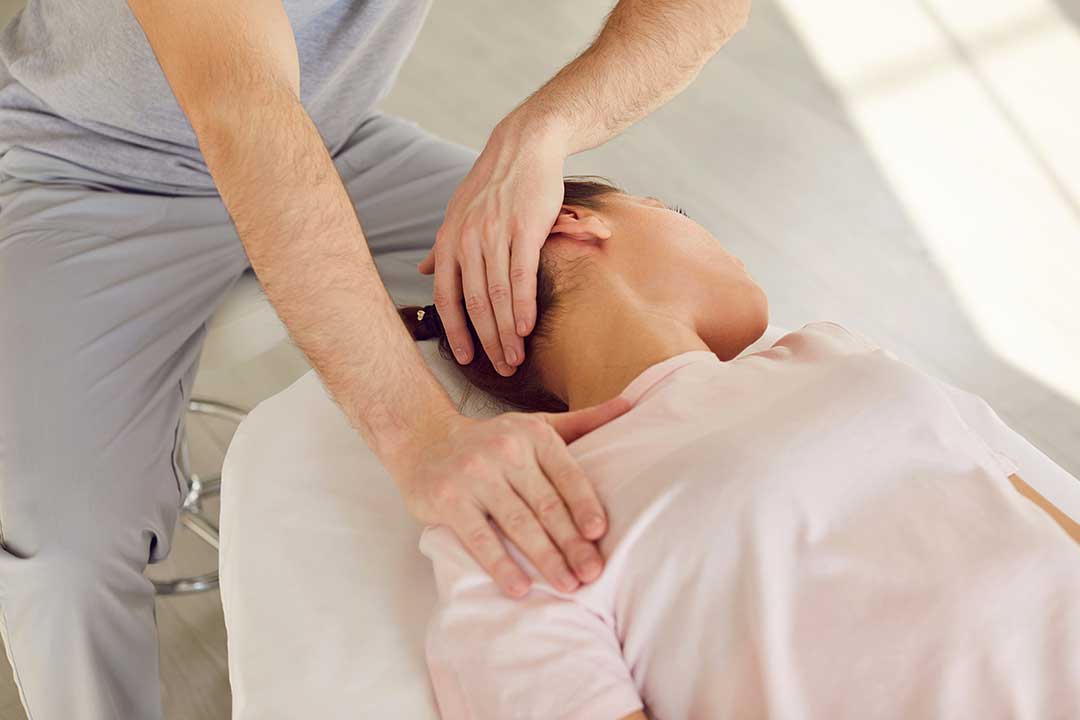
For mild muscle pain without warning signs, relative rest is usually more useful than complete inactivity. Continue comfortable daily movement while temporarily reducing the activity that clearly worsens symptoms.
Helpful measures may include:
- Gentle walking or range-of-motion exercises
- Short periods of heat for stiffness or cold for a recent minor injury
- Adjusting a chair, screen, pillow, or work surface
- Taking brief movement breaks during desk or driving time
- Gradually rebuilding strength rather than exercising through sharp pain
- Light self-massage that does not cause bruising or lingering soreness
- Adequate sleep, hydration, and regular meals
Stretching should feel mild, not forceful. Repeatedly pressing hard on a painful knot can irritate the tissue and make symptoms worse. Over-the-counter pain medicines may help some people, but they are not appropriate for everyone. Existing stomach, kidney, liver, bleeding, pregnancy, or medication concerns should be considered before using them.
When should muscle pain be checked?
Muscle pain that steadily improves over several days is often less concerning than pain that persists, repeatedly returns, or interferes with sleep and normal activity. An evaluation is sensible when pain does not improve with reasonable self-care, follows a substantial injury, or is accompanied by reduced function.
Prompt medical attention is warranted for:
- Sudden or progressive weakness
- Numbness or loss of coordination
- Loss of bladder or bowel control
- Severe pain after a fall or accident
- A swollen, red, hot, or rapidly enlarging area
- Fever or feeling acutely ill
- Chest pain, shortness of breath, or unexplained sweating
- Dark urine or severe muscle pain after unusually intense exertion
These symptoms may point to nerve, bone, vascular, infectious, or systemic problems rather than a simple trigger point.
How can recurring trigger points be prevented?
Prevention focuses on reducing repeated strain and improving capacity gradually. A person who sits for long periods may benefit from changing position regularly. Someone doing seasonal household or outdoor work can divide heavy tasks into shorter sessions and avoid a sudden jump in workload.
Strengthening the hips, upper back, trunk, and other areas involved in daily activities may reduce recurrence when performed progressively. Technique also matters: lifting close to the body, avoiding prolonged awkward positions, and warming up before unfamiliar exercise can lower strain.
Recurring pain should be viewed as useful information rather than something to ignore. The pattern may reveal an unresolved movement habit, workload issue, sleep position, joint restriction, or medical condition requiring a broader evaluation.
