
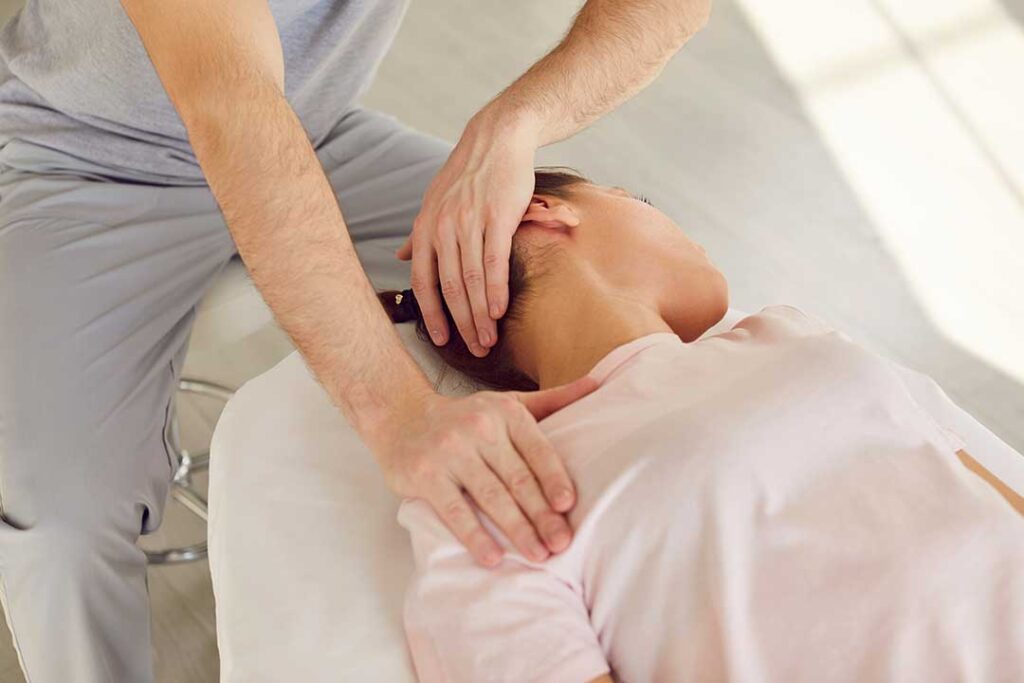
What role can chiropractic care play in managing pain?
Chiropractic care may help some people manage musculoskeletal pain, especially pain involving the lower back, neck, joints, and surrounding muscles. It is generally used as one part of a broader plan that may also include movement, exercise, education, sleep improvement, and medical evaluation when needed.
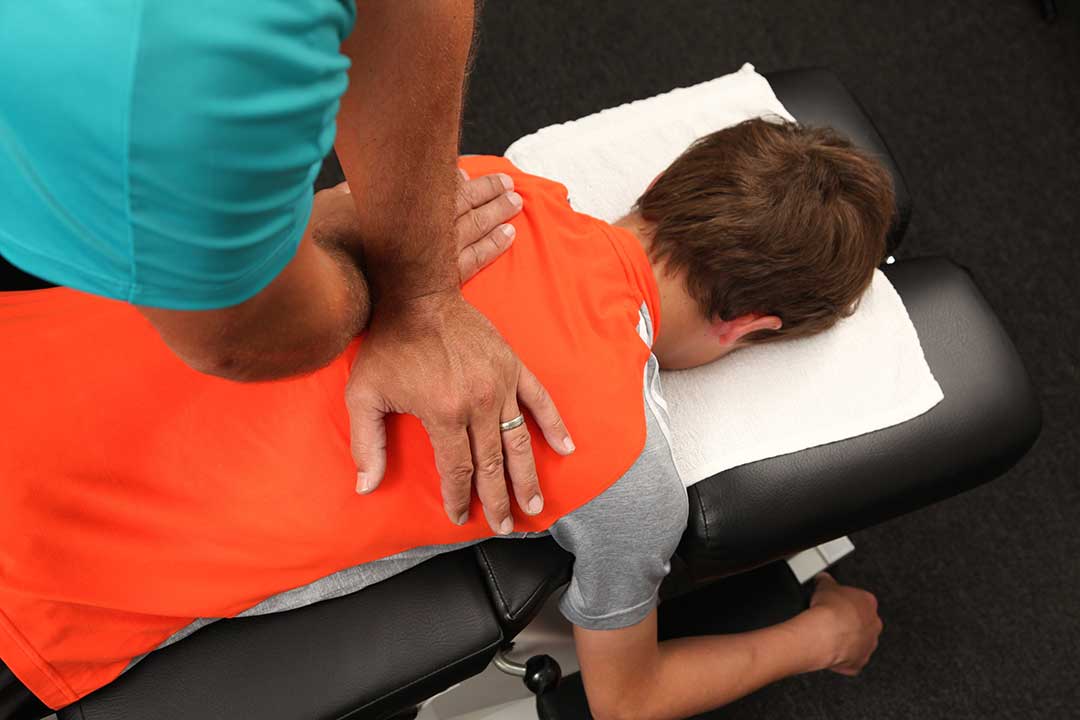
Chiropractic treatment commonly involves hands-on techniques such as spinal manipulation, joint mobilization, soft-tissue work, and guided exercises. The goal is not simply to “put something back into place.” A more practical goal is to reduce pain, improve movement, and help a person return to normal activities safely.
For residents in Lynbrook, pain may develop from long commutes, prolonged sitting, physically demanding work, household tasks, recreational activity, or seasonal jobs such as shoveling and outdoor maintenance. These everyday patterns can contribute to muscle strain and recurring back or neck discomfort.
Which types of pain may respond to chiropractic treatment?
The strongest evidence relates to certain forms of nonspecific low-back pain, meaning pain that is not caused by a serious underlying disease or major nerve injury. Spinal manipulation may provide modest improvement in pain and daily function for some adults with acute, subacute, or chronic low-back pain.
Chiropractic care may also be considered for:
- Neck pain related to muscle tension, posture, or minor strain
- Stiffness in the mid-back or lower back
- Some types of headache associated with neck tension
- Joint and soft-tissue pain affecting normal movement
- Pain that makes walking, standing, sleeping, or household activities more difficult
Results vary. Treatment may help one person substantially while offering limited benefit to another. Pain that continues to worsen, repeatedly returns, or is accompanied by other symptoms may require a different evaluation rather than repeated hands-on treatment alone.
How does spinal manipulation affect pain?
Spinal manipulation uses a controlled force directed at a joint. Mobilization uses slower or gentler movement without the same type of quick thrust. Both approaches are intended to improve joint motion and may influence muscle tension, sensitivity, and how the nervous system processes pain.
The benefit is usually described as modest rather than curative. A person may notice easier movement, reduced stiffness, or improved ability to perform daily activities. These changes are often most useful when paired with active strategies such as walking, strengthening, stretching, and learning how to manage the movements that aggravate symptoms.
A treatment plan that depends entirely on passive care may not address the reasons pain keeps returning. For long-term improvement, it is often useful to understand lifting habits, workstation setup, sleep position, physical conditioning, stress, and activity levels.
Is chiropractic care a substitute for medical care?
No. Chiropractic care can complement medical care, but it does not replace evaluation for conditions outside the musculoskeletal system.
Back or neck pain may occasionally be related to infection, fracture, inflammatory disease, cancer, nerve compression, or another medical problem. A careful health history and physical examination help determine whether conservative treatment is reasonable or whether testing and referral are more appropriate.
Medication decisions also require care. People who take blood thinners, have osteoporosis, recently had surgery, have a history of cancer, or have significant medical conditions should share that information before treatment. Pregnancy, recent trauma, and symptoms affecting the arms or legs may also change which treatments are considered appropriate.
What symptoms require prompt medical evaluation?
Some pain should not be managed with routine spinal manipulation before a medical assessment. Seek prompt medical attention for back or neck pain accompanied by:
- New loss of bladder or bowel control
- Numbness in the groin or inner thighs
- Major or progressive weakness in an arm or leg
- Difficulty walking or unexplained loss of coordination
- Fever, chills, or feeling seriously unwell
- Severe pain after a fall, collision, or other injury
- Unexplained weight loss or a history of cancer
- Pain that is constant, severe at night, or unrelated to movement
- Sudden severe headache, facial drooping, speech trouble, or other stroke-like symptoms
These signs do not automatically indicate a dangerous condition, but they should not be dismissed as ordinary muscle or joint pain.
What side effects can occur?
Temporary soreness, stiffness, mild discomfort, or headache can occur after spinal manipulation or mobilization. These effects commonly improve within a day or so. More serious complications are rare, but they have been reported.
Neck manipulation deserves particular caution because rare artery injuries in the neck have been associated with sudden neck movements. Research has not established a simple cause-and-effect relationship in every case, but the potential risk should be discussed openly. People should not feel pressured to accept a technique they do not understand or do not want.
Gentler mobilization, exercise-based care, or other non-thrust approaches may be reasonable alternatives depending on the symptoms and health history.
What happens during a responsible evaluation?
An appropriate evaluation should begin with questions about when the pain started, what makes it better or worse, previous injuries, medical conditions, medications, work demands, activity levels, and any symptoms such as numbness or weakness.
The physical examination may include observing posture and movement, checking joint range of motion, assessing muscle function, and screening for nerve involvement. Imaging is not automatically necessary for ordinary low-back pain. It may be considered when there is a history of trauma, concerning symptoms, significant neurological findings, or failure to improve as expected.
A clear plan should explain the likely cause of symptoms, the purpose of each treatment, reasonable time frames for improvement, and what should happen if progress stalls.
What can residents do between treatments?
Active self-management is often central to pain recovery. Helpful measures may include:
- Taking short movement breaks during long periods of sitting
- Gradually returning to normal activity instead of prolonged bed rest
- Using heat for muscle tightness or ice for some recent injuries
- Practicing exercises that build strength and mobility without sharply increasing pain
- Adjusting lifting technique and dividing heavy household tasks into smaller loads
- Using caution with snow, ice, and uneven outdoor surfaces during winter conditions
- Improving sleep habits and supporting a comfortable sleeping position
Pain does not always mean tissue damage, and complete avoidance of movement can increase stiffness and fear of activity. At the same time, pushing through severe or progressively worsening pain is not a sound recovery strategy.
How should people judge whether treatment is helping?
Improvement should be measured by function as well as pain intensity. Useful questions include: Is walking easier? Is sleep less interrupted? Can household tasks be performed with fewer limitations? Is movement becoming more confident?
If symptoms are unchanged after a reasonable trial, worsen steadily, or require increasingly frequent treatment to maintain short-lived relief, the plan should be reassessed. Effective pain management is not defined by the number of adjustments or visits. It is defined by safer movement, better daily function, and an appropriate response to the underlying problem.
