
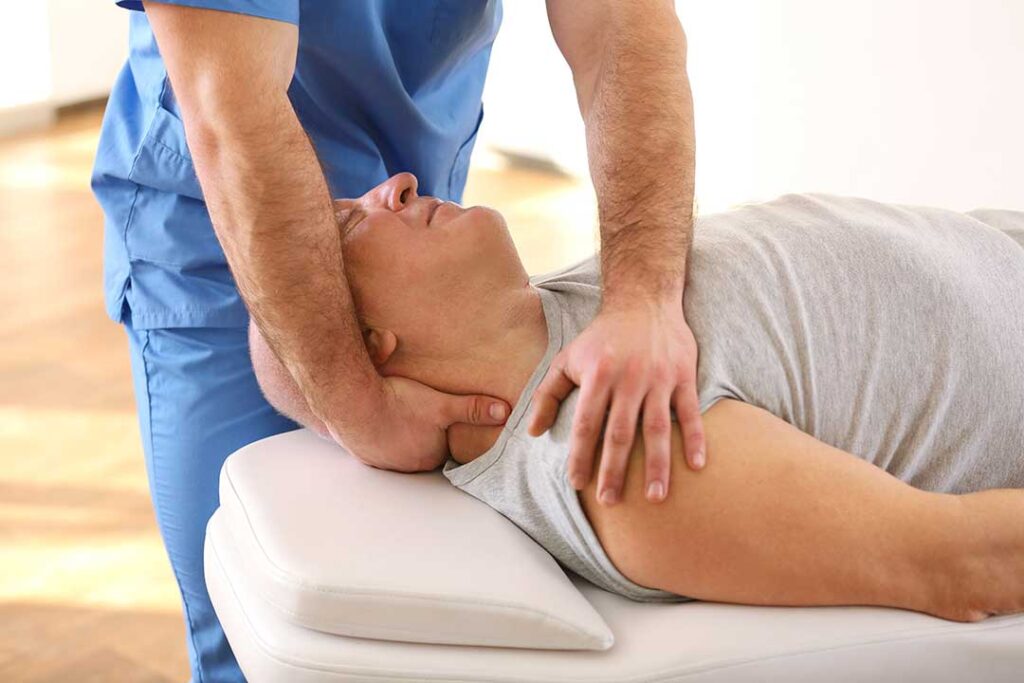
High heels can affect back health by changing how the feet, legs, pelvis, and spine work together. The effects are not limited to the feet: extended standing or walking in elevated shoes may contribute to muscle fatigue, low back discomfort, knee strain, and balance problems.
For residents of Lynbrook, NY, these concerns may be especially noticeable during long commutes, formal events, workplace shifts, or winter travel when uneven pavement, wet sidewalks, and slippery surfaces make balance more demanding.
How do high heels change posture?
High heels shift body weight forward toward the balls of the feet. To remain upright, the body often makes several adjustments:
- The ankles remain in a pointed position.
- The knees may bend or lock differently.
- The pelvis may tilt forward.
- The lower back may arch more.
- The trunk may shift backward to maintain balance.
- The muscles of the calves, hips, and lower back may work harder.
These changes do not automatically cause injury, and occasional use may not create lasting problems for everyone. However, the higher the heel and the longer it is worn, the more demanding the posture can become.
A shoe that feels comfortable at first may still alter walking mechanics. Discomfort often appears later, after the muscles have been working to stabilize the body for an extended period.
Can high heels cause lower back pain?
High heels can contribute to lower back pain, particularly when they are worn for many hours, used frequently, or combined with prolonged standing. The reason is usually not that the heel directly injures the spine. Instead, the shoe changes the position and movement of the entire lower body.
When the pelvis tilts forward and the lower back arches more than usual, the muscles around the lumbar spine may remain active for longer periods. This can lead to fatigue, tightness, or aching. People who already have back pain, limited hip mobility, weak leg muscles, or poor balance may notice symptoms sooner.
Back discomfort may also result from walking differently in heels. Shorter steps, reduced ankle motion, and a narrower base of support can make the hips and back compensate for changes occurring at the feet.
Why can pain appear in the feet, knees, hips, and back?
The body operates as a connected movement system. A change at the foot can affect the joints above it.
High heels place more pressure on the forefoot, which may contribute to soreness beneath the toes, calluses, or irritation around the joints. Pointed toe boxes can crowd the toes and may worsen bunions, corns, or pressure-related pain.
The ankle is also less stable in a raised heel position. This can increase the risk of rolling an ankle, particularly on uneven sidewalks, stairs, grass, or wet surfaces. In a community where people may walk between homes, transit stops, offices, schools, and local events, the practical risk is not limited to indoor floors.
The knees and hips may absorb additional stress as the body adjusts to the altered foot position. Over time, this may contribute to stiffness or aching, although footwear is only one possible factor. Activity level, body mechanics, previous injuries, muscle strength, and joint health also matter.
Does heel height make a difference?
Yes. In general, higher heels create a greater change in ankle position and place more pressure on the front of the foot. Thin heels can also reduce stability because they provide a smaller base of support.
A lower, wider heel is usually easier to manage than a tall, narrow heel. A moderate heel with a stable sole may still affect posture, but it generally demands less balance and creates less forward pressure on the foot.
Heel height is not the only consideration. A shoe may be problematic if it has:
- A narrow or pointed toe box
- A rigid sole that prevents natural foot movement
- Poor fit around the heel
- Little cushioning
- A slippery bottom
- An unstable or very narrow heel
- Excessive wear that changes the shoe’s support
A well-fitting shoe cannot eliminate all effects of elevation, but it may reduce crowding, slipping, and unnecessary strain.
Is occasional use harmful?
Occasional use is less likely to create ongoing problems than daily or prolonged use. Many people can wear dress shoes for a limited period without developing lasting symptoms, especially if they can sit, change shoes, and avoid uneven walking surfaces.
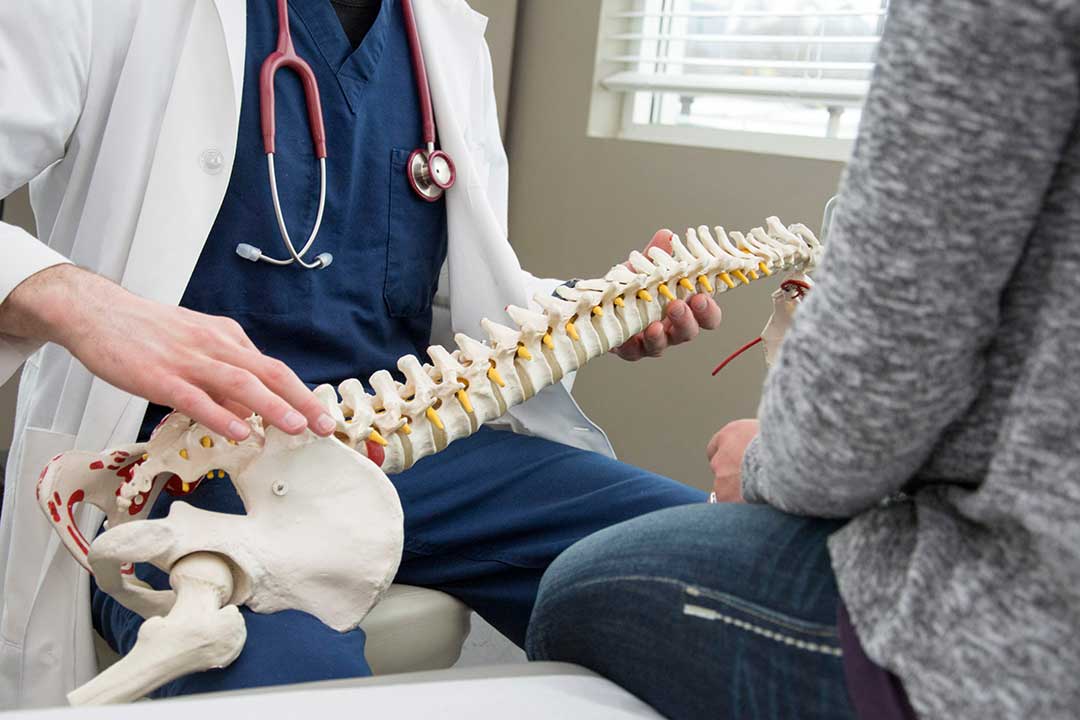
Risk tends to increase when high heels are worn:
- For several hours without a break
- During long periods of standing
- While walking substantial distances
- On stairs or uneven ground
- During work that requires frequent movement
- When the person already has foot, knee, hip, or back symptoms
Pain is a useful warning sign. Continuing to wear a shoe that causes numbness, burning, sharp pain, repeated ankle instability, or increasing back discomfort may allow a manageable irritation to become more persistent.
How can people reduce strain while still wearing heels?
Several practical adjustments can reduce the physical demand of elevated footwear.
Choose the lowest, widest heel that meets the situation. A stable heel and a roomy toe area are generally more forgiving than a narrow, pointed design. Shoes should fit the larger foot comfortably, and toes should not be forced against the front.
Consider wearing supportive walking shoes during travel or commuting and changing into dress shoes only when necessary. This can be useful during colder months when snow, ice, slush, and wet pavement make stable footwear more important.
Limit continuous standing. Sitting periodically allows the calf, foot, and lower back muscles to relax. Gentle movement between periods of standing may be more comfortable than remaining in one position.
After wearing heels, light calf, hamstring, hip, and foot stretches may help ease temporary tightness. Stretching should be gentle and should not create sharp pain or tingling. Strengthening the calves, hips, and trunk may also improve general stability, but exercise should be adjusted for existing injuries or medical conditions.
What misconceptions are common?
One misconception is that high heels affect only the feet. In reality, the footwear can influence the ankles, knees, hips, pelvis, and spine through changes in balance and movement.
Another misconception is that pain must be severe before footwear becomes a concern. Repeated mild soreness, end-of-day tightness, or frequent ankle wobbling may indicate that the body is struggling with the shoe’s demands.
It is also inaccurate to assume that every case of back pain is caused by footwear. Back pain can arise from muscle strain, disc problems, arthritis, injuries, prolonged sitting, lifting, sleep position, or many other factors. High heels may aggravate symptoms without being the original cause.
When does back or foot pain need medical attention?
New or persistent pain deserves attention when it interferes with walking, work, sleep, or ordinary activities. Prompt medical evaluation is appropriate after a fall or ankle injury, especially if there is swelling, bruising, deformity, inability to bear weight, or a popping sound.
Back pain accompanied by leg weakness, progressive numbness, loss of bladder or bowel control, fever, unexplained weight loss, or severe pain after significant trauma requires urgent medical assessment.
For less urgent symptoms, keeping track of when pain appears can be helpful. Note the type of shoes worn, how long they were used, the amount of walking or standing involved, and whether symptoms improve after changing footwear. This information can help distinguish a footwear-related pattern from a broader musculoskeletal problem.
