
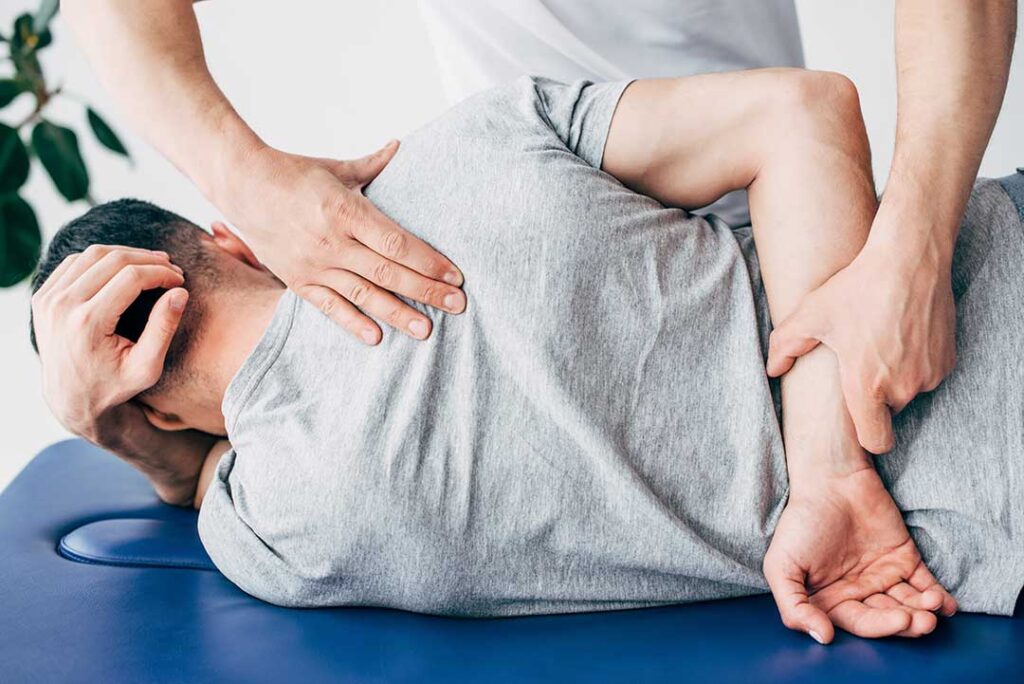
Can chiropractic adjustments help with PMS symptoms?
Chiropractic adjustments may help some people manage muscle tension, lower-back discomfort, or posture-related pain that becomes more noticeable before menstruation. However, current evidence does not show that spinal adjustments reliably treat PMS itself or correct the hormonal changes that cause it.
Premenstrual syndrome, or PMS, refers to physical and emotional symptoms that appear during the one to two weeks before a menstrual period and improve after bleeding begins. Common symptoms include:
- Bloating and fluid retention
- Breast tenderness
- Headaches
- Fatigue
- Lower-back pain
- Pelvic discomfort
- Irritability, anxiety, or low mood
- Food cravings or appetite changes
- Sleep disruption
The effectiveness of chiropractic care depends partly on which symptom is being treated. An adjustment might reduce a separate musculoskeletal problem, but that is different from treating PMS as a whole.
What might an adjustment realistically help?
Chiropractic care is most directly associated with musculoskeletal concerns, such as certain types of back, neck, or joint pain. If someone experiences increased lower-back tightness before a period, gentle manual treatment, mobility exercises, or advice about movement may provide short-term comfort.
This does not necessarily mean the adjustment changed menstrual hormones, reduced inflammation in the uterus, or improved the underlying cause of PMS. Relief may result from reduced muscle guarding, improved movement, relaxation, or the natural fluctuation of symptoms from one cycle to the next.
For example, a resident who spends long periods sitting during a commute or working at a desk may notice that premenstrual bloating and back discomfort make ordinary posture-related strain feel worse. Addressing the back strain may improve comfort, even if the PMS symptoms themselves remain.
What does the research show?
Research on spinal manipulation for PMS and menstrual cramps is limited and inconsistent. Studies have generally been small, used different techniques, or examined painful periods rather than the full range of PMS symptoms.
Reviews of the evidence have not established spinal manipulation as a dependable treatment for menstrual cramps. There is also insufficient evidence to conclude that adjustments improve mood changes, breast tenderness, bloating, fatigue, or fluid retention.
That distinction matters. Chiropractic adjustments may be reasonable as a complementary approach for a clearly musculoskeletal symptom, but claims that adjustments balance hormones, improve pelvic circulation, or treat the root cause of PMS are not well supported by high-quality evidence.
Why can PMS cause back or hip discomfort?
Hormonal changes before menstruation can affect pain sensitivity, digestion, fluid balance, sleep, and mood. Bloating may create a sense of abdominal pressure, while fatigue or cramps may lead someone to move differently. Those changes can increase tension in the abdominal wall, hips, buttocks, or lower back.
The pain may also come from a condition that becomes more noticeable around the menstrual cycle. Endometriosis, uterine fibroids, adenomyosis, pelvic-floor dysfunction, and some gastrointestinal disorders can cause symptoms that resemble ordinary PMS.
A recurring pattern is useful information. Tracking the timing, location, severity, and duration of symptoms for at least two or three cycles can help distinguish:
- PMS-related discomfort that improves after menstruation begins
- Musculoskeletal pain that occurs throughout the month
- Menstrual cramps that are unusually severe
- Symptoms linked to another gynecologic or medical condition
Which approaches have stronger support for PMS?
Treatment should match the symptom pattern and its severity. Regular aerobic activity, adequate sleep, stress-management techniques, and consistent meals may help reduce symptoms for some people. Brisk walking, cycling, swimming, yoga, breathing exercises, and other forms of moderate movement can be practical options.
For pain, nonsteroidal anti-inflammatory drugs such as ibuprofen may help some individuals, particularly when used as directed and started near the beginning of symptoms. They are not appropriate for everyone, including some people with a history of stomach ulcers, kidney disease, bleeding problems, or certain medication interactions.
Medical treatment may also include hormonal contraception, selective serotonin reuptake inhibitors for prominent mood symptoms, or other prescription options. Calcium may reduce some physical and mood-related symptoms in certain people, but supplements can interact with medications or be inappropriate in particular health conditions.
A chiropractic visit should not replace evaluation of persistent, severe, or changing menstrual symptoms. It may be considered alongside evidence-based care when the main complaint includes back or joint discomfort and there are no safety concerns.
Is chiropractic treatment safe during PMS?
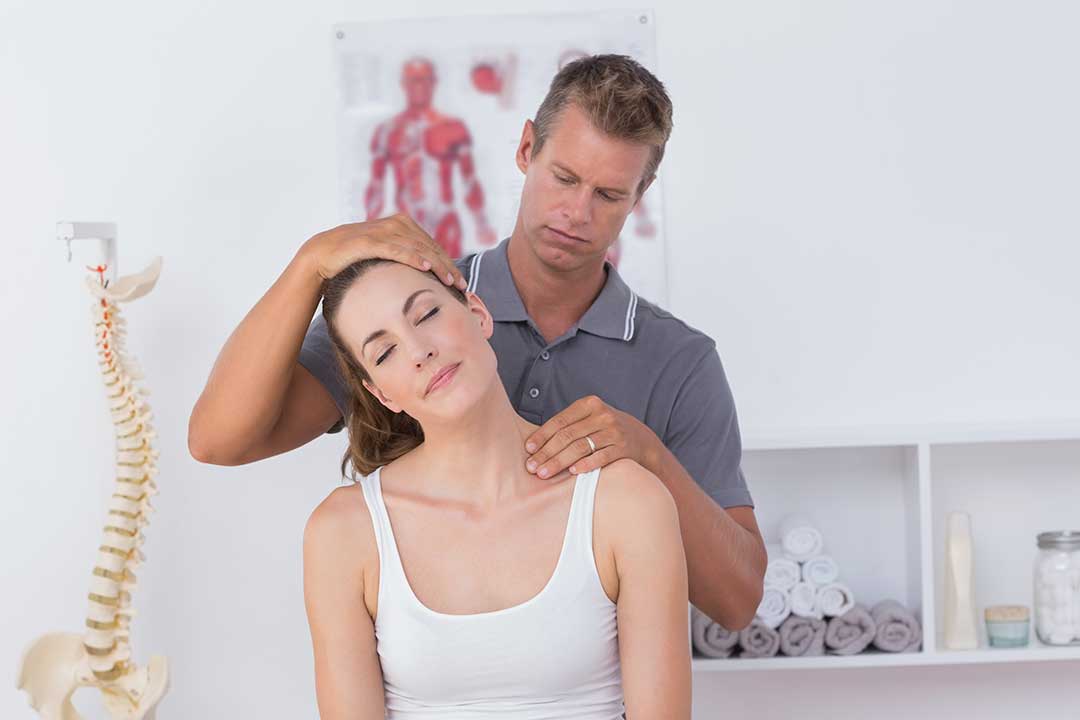
For many generally healthy adults, appropriately performed spinal manipulation causes only temporary soreness, stiffness, or mild discomfort. More serious complications are rare, but risk depends on the technique, the area treated, and a person’s medical history.
Before any adjustment, disclose:
- Pregnancy or possible pregnancy
- Osteoporosis or a history of fractures
- Bleeding disorders or use of blood thinners
- Numbness, weakness, or changes in coordination
- Recent injury
- Known inflammatory or neurologic conditions
- Severe or unexplained pain
Neck manipulation deserves particular caution because rare but serious blood-vessel complications have been reported. There is no reason to assume that a stronger adjustment is more effective for PMS. Gentle mobilization, exercise, heat, and movement advice may be more appropriate for some people.
When should menstrual symptoms be medically evaluated?
PMS symptoms deserve medical attention when they interfere with work, school, sleep, relationships, or daily activities. Prompt evaluation is especially appropriate for:
- Pain that is severe, worsening, or not relieved by usual measures
- Very heavy bleeding or bleeding between periods
- Fainting, fever, vomiting, or sudden pelvic pain
- Pain during sex, bowel movements, or urination
- New symptoms after age 25 or 30
- Depression, panic, hopelessness, or thoughts of self-harm
- Symptoms that continue well beyond the start of menstruation
The community’s seasonal routines can also affect symptoms. Winter inactivity, less daylight, indoor heating, disrupted sleep, and limited outdoor movement may make fatigue, stiffness, or low mood feel more pronounced. These factors do not prove that PMS is worsening, but they can influence how symptoms are experienced.
A practical way to think about chiropractic care
Chiropractic adjustments may be useful for a person whose premenstrual period includes a treatable back, hip, or neck problem. They should not be presented as a proven treatment for hormonal PMS, mood symptoms, bloating, or the full menstrual cycle.
A balanced approach is to track symptoms, maintain regular movement and sleep, use appropriate pain-relief strategies, and seek medical evaluation when symptoms are severe or unusual. Chiropractic care, if used, is best viewed as one possible supportive option for musculoskeletal discomfort rather than a substitute for gynecologic or primary medical care.
