
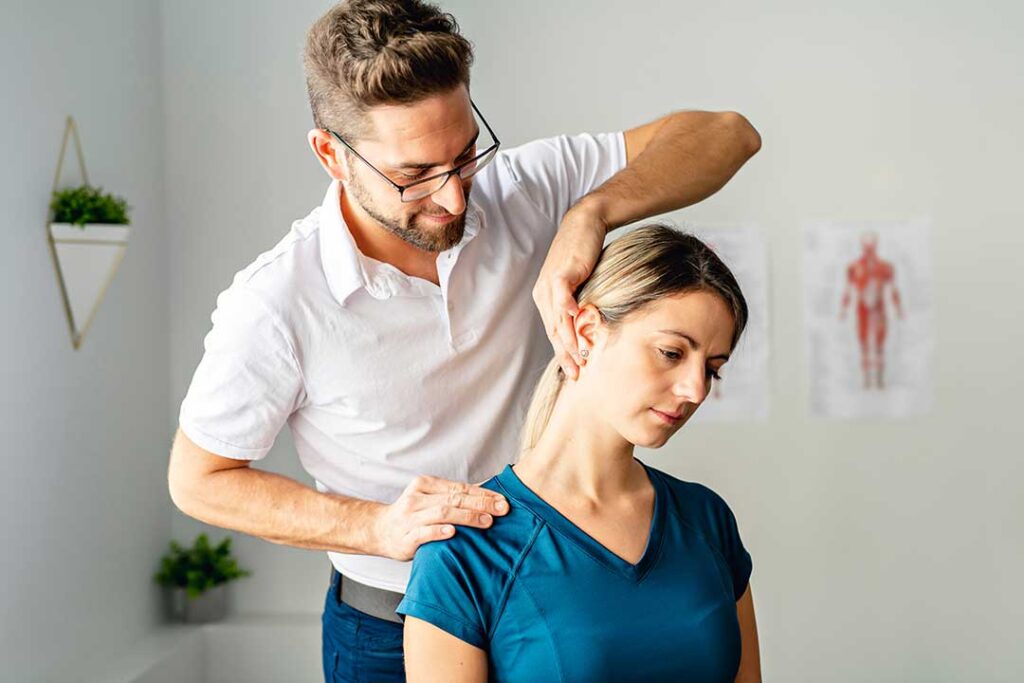
Sports injuries can affect more than competitive athletes. Local residents may develop pain while running, cycling, playing recreational sports, exercising at home, or returning to activity after a long break. Chiropractic care may help with certain muscle, joint, and movement-related problems, especially when it is combined with appropriate rest, rehabilitation, and medical evaluation when needed.
Chiropractic treatment is not a substitute for emergency care, fracture treatment, surgery, or concussion management. Its role is usually focused on the musculoskeletal system: the muscles, joints, ligaments, tendons, and spine.
What types of sports injuries may respond to chiropractic care?
Chiropractic care may be considered for uncomplicated injuries involving the back, neck, shoulders, hips, knees, ankles, and other joints. Common examples include:
- Muscle strains caused by overstretching or overuse
- Mild sprains involving ligaments
- Exercise-related back pain
- Joint stiffness after activity
- Certain running-related hip, knee, or ankle complaints
- Shoulder discomfort related to repetitive movement
- Mobility limitations after a minor sports injury
- Pain that develops after changing training intensity, footwear, or technique
A strain affects a muscle or tendon, while a sprain affects a ligament. These injuries can range from mild irritation to a complete tear. Chiropractic care may be more appropriate for mild or moderate problems after serious injuries have been ruled out.
Pain alone does not identify the exact injury. Swelling, bruising, weakness, instability, or an inability to bear weight may indicate a more significant problem.
How can chiropractic care help during recovery?
The main goals are to reduce movement-related discomfort, restore mobility, and help the person gradually return to normal activity. Treatment may include a combination of hands-on methods and active rehabilitation.
Depending on the injury, care may involve:
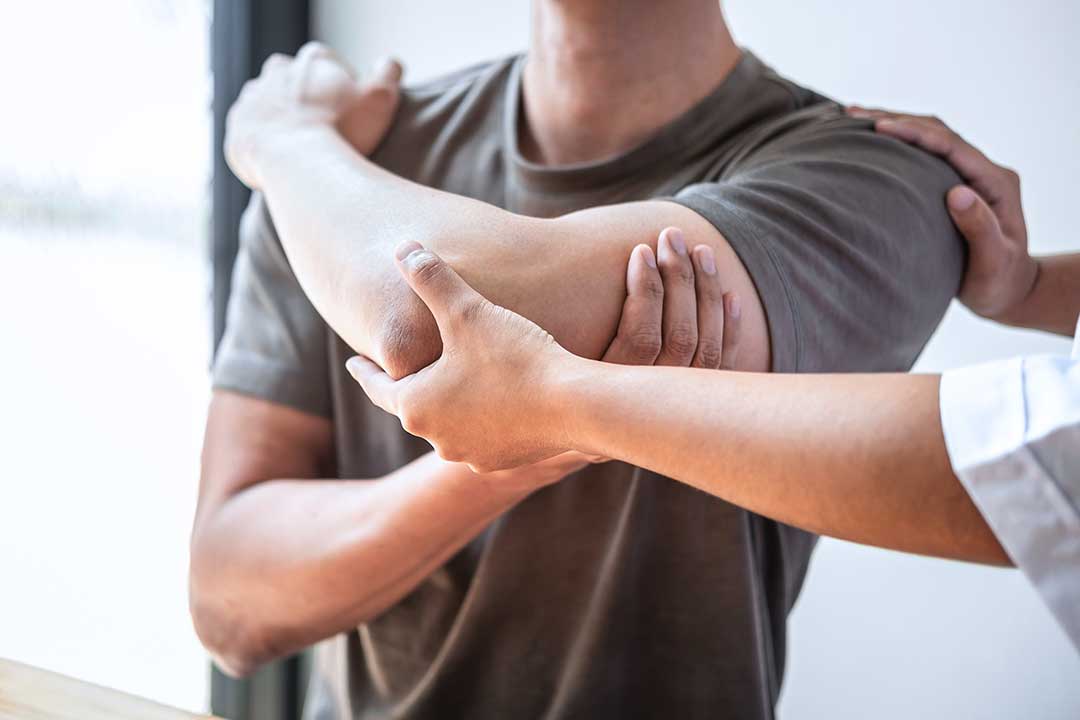
- Gentle joint mobilization to improve restricted movement
- Spinal manipulation for selected back or joint problems
- Soft-tissue techniques for muscle tightness
- Stretching and mobility exercises
- Strengthening exercises for the affected area
- Balance and coordination work
- Advice about activity modification and gradual progression
Spinal manipulation is only one part of chiropractic care. It is not necessary or appropriate for every sports injury. Some people may benefit more from gentle mobilization, exercise instruction, or temporary changes to training.
For example, a runner with mild low-back pain may need improved hip mobility and trunk strength rather than repeated passive treatment. A recreational athlete with ankle stiffness may need a combination of mobility work, balance training, and a carefully paced return to impact activity.
Can chiropractic treatment speed up healing?
Chiropractic care may support recovery, but it does not instantly repair torn tissue or eliminate the normal healing timeline. Muscles, tendons, and ligaments require time to recover, and returning to activity too quickly can worsen symptoms.
Care may help a person move more comfortably and maintain function while the injury heals. It may also identify contributing factors such as:
- Sudden increases in training volume
- Limited warm-up or recovery time
- Poor movement control
- Weakness in the hips, legs, or core
- Repetitive work or household demands
- Inadequate balance or coordination
- Returning to sports after a long period of inactivity
A recovery plan should progress from low-demand movement to more demanding activity. Someone recovering from a knee injury, for instance, may start with walking and controlled strengthening before attempting jumping, sprinting, or rapid changes of direction.
What should an athlete expect during an evaluation?
A careful evaluation begins with questions about how the injury happened, when symptoms started, and what activities make the problem better or worse. The assessment may include observation of walking, joint movement, muscle strength, balance, and functional tasks.
The history is especially useful. Pain that began after a single twist is different from pain that gradually developed during several weeks of increased exercise. A fall, collision, or direct blow also changes the level of concern.
A qualified provider should explain:
- The likely source of the symptoms
- Whether the condition appears suitable for conservative care
- Which activities should be limited temporarily
- What exercises may be appropriate
- What warning signs require further medical evaluation
- How progress will be judged
Imaging is not required for every sports injury, but it may be needed when there is concern about a fracture, major ligament injury, dislocation, severe tendon damage, or another condition that cannot be assessed through examination alone.
When is chiropractic care not the first step?
Immediate medical evaluation is more appropriate after a serious collision, fall, or sudden injury involving significant symptoms. Warning signs include:
- Inability to put weight on an injured leg
- Obvious deformity or a joint that appears out of place
- Severe or rapidly increasing swelling
- Numbness, loss of strength, or difficulty controlling a limb
- Severe neck or back pain after trauma
- Loss of consciousness
- Repeated vomiting
- Confusion, slurred speech, unusual behavior, or worsening headache
- Chest pain, shortness of breath, or fainting
A suspected concussion requires removal from play and appropriate medical assessment. Chiropractic manipulation does not replace concussion evaluation or a gradual return-to-school and return-to-sport process.
Neck manipulation also deserves particular caution. Anyone with unusual neurological symptoms, severe headache, recent trauma, or a history that could increase risk should discuss the situation carefully before any neck treatment is considered.
How can residents reduce the risk of sports injuries?
Prevention often begins with a realistic training plan. People who use local sidewalks, parks, recreation areas, indoor gyms, or home exercise spaces may face different demands throughout the year. Cold weather can make muscles feel less prepared for sudden exertion, while warmer months may bring more outdoor running, cycling, and field activity.
Helpful habits include:
- Warming up with several minutes of easy movement
- Increasing distance, speed, or weight gradually
- Using appropriate protective equipment
- Replacing worn athletic shoes when cushioning and support decline
- Building strength in the hips, legs, trunk, and shoulders
- Practicing balance and landing mechanics
- Taking rest days when fatigue changes movement quality
- Drinking fluids and avoiding intense activity during illness
- Stopping when pain becomes sharp, unstable, or progressively worse
A warm-up should prepare the body for the actual activity. A runner may use brisk walking and easy jogging, while a person preparing for basketball or tennis may add lateral movement and controlled acceleration.
What does a safe return to sports look like?
A safe return is based on function rather than a specific number of days. The athlete should generally be able to perform ordinary movements without significant pain, swelling, weakness, or instability before advancing to higher-demand activity.
A gradual progression may look like this:
1. Normal walking and daily activities
2. Low-impact exercise
3. Sport-specific drills at reduced intensity
4. Faster movement, resistance, or changes of direction
5. Full practice
6. Competition or unrestricted activity
Symptoms that return during a higher stage are a signal to reduce intensity and reassess. The goal is not simply to feel better at rest; it is to restore the strength, control, mobility, and confidence needed for the activity.
For local households balancing work, school, commuting, and recreation, recovery plans also need to account for ordinary physical demands. Carrying equipment, climbing stairs, shoveling, gardening, and prolonged sitting can all affect an injury even when sports participation has stopped.
