
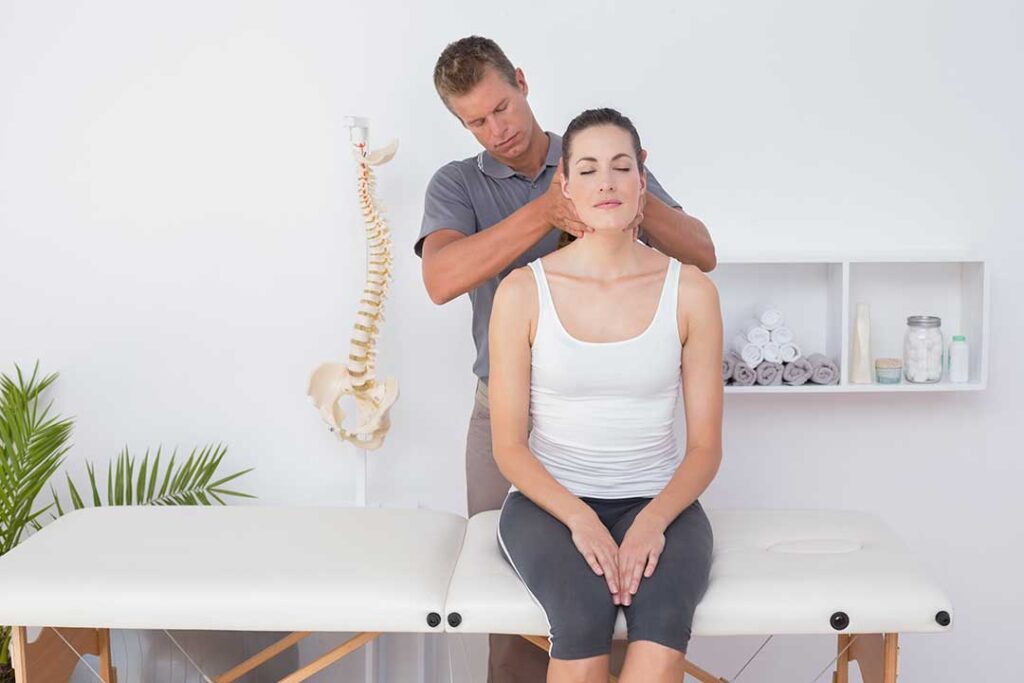
Athletes in Lynbrook, NY participate in many types of physical activity, from school and recreational sports to running, strength training, cycling, and seasonal outdoor exercise. Chiropractic adjustments may be useful for some athletes, especially when joint movement, back discomfort, or muscle and joint coordination affects training. They are not a substitute for medical evaluation, rehabilitation, conditioning, sleep, or proper nutrition.
What is a chiropractic adjustment?
A chiropractic adjustment is a hands-on technique used to apply a controlled force to a joint, usually in the spine or an extremity such as the shoulder, hip, wrist, or ankle. The goal may be to improve joint motion, reduce stiffness, or help an athlete move more comfortably.
Adjustments are different from general massage. Massage primarily affects soft tissue, while an adjustment is directed toward a joint or group of joints. Treatment may also include mobility exercises, stretching, strengthening, posture guidance, or recommendations for modifying training loads.
The appropriate technique depends on the athlete’s symptoms, age, sport, medical history, and examination findings. A careful assessment should come before any adjustment.
Can adjustments help athletic performance?
They may help performance indirectly when restricted movement or pain interferes with normal technique. For example, an athlete with limited hip mobility may have difficulty squatting, sprinting, or changing direction. Someone with back stiffness may compensate by overusing the hamstrings, shoulders, or knees.
Potential benefits can include:
- Improved short-term range of motion
- Reduced joint stiffness
- Easier movement during warm-ups and sport-specific drills
- Less discomfort from certain mechanical strains
- Better awareness of posture and movement habits
These effects should not be confused with an automatic increase in strength, speed, endurance, or skill. An adjustment does not replace progressive training. Athletic performance still depends primarily on conditioning, technique, recovery, nutrition, hydration, sleep, and appropriate coaching.
Some athletes report feeling looser immediately after treatment, but that sensation does not necessarily mean an injury has healed or that the body is ready for maximum effort. Testing movement during a controlled warm-up is safer than assuming full recovery based only on how the athlete feels after an adjustment.
What injuries or symptoms may respond to this approach?
Chiropractic care may be considered as one part of a broader plan for uncomplicated musculoskeletal problems, such as certain forms of mechanical low-back pain, stiffness, or restricted movement. It may also be used alongside exercise-based rehabilitation for some sports-related strains.
The strongest practical role is often symptom management and restoring comfortable movement rather than treating a specific structural injury. For example, an athlete with mild back stiffness after repeated lifting may benefit from a combination of education, load adjustment, strengthening, and hands-on care.
Adjustments are not appropriate for every injury. A suspected fracture, dislocation, severe ligament injury, infection, progressive nerve problem, or significant joint swelling requires a different type of evaluation. Persistent pain should not be repeatedly adjusted without determining why it is occurring.
Does an adjustment prevent sports injuries?
There is no reliable basis for promising that routine adjustments prevent all sports injuries. Injury risk is influenced by training volume, sudden changes in activity, previous injuries, strength differences, sleep, fatigue, equipment, playing surface, technique, and recovery habits.
A broader injury-reduction plan may include:
- Increasing training intensity and distance gradually
- Strengthening areas that are heavily used in the sport
- Practicing balance, landing, deceleration, and change-of-direction skills
- Warming up before intense activity
- Taking recovery days seriously
- Replacing worn footwear when it no longer provides suitable support
- Adjusting outdoor workouts during extreme heat, cold, or slippery conditions
For residents who exercise outdoors through changing seasons, wet pavement, icy walking surfaces, and abrupt changes from winter inactivity to spring training can create additional mechanical stress. Good preparation and sensible progression matter more than relying on any single treatment.
Is chiropractic care useful during recovery?
It can be useful when the main problem is stiffness or movement-related discomfort, but recovery should be guided by the injury and the athlete’s response to activity. An adjustment may make movement easier, yet tissues still need time to heal.
A complete recovery plan may involve:
- Temporary modification of painful movements
- Gradual return to strength and sport-specific activity
- Mobility work within a tolerable range
- Strength and balance exercises
- Sleep, hydration, and adequate food intake
- Coordination with a physician, physical therapist, athletic trainer, or coach when appropriate
Pain relief can sometimes occur before the underlying tissue is ready for full competition. Athletes should avoid using reduced pain as permission to immediately resume maximum intensity.

What are the safety considerations?
Most people tolerate spinal manipulation without serious problems, although temporary soreness, stiffness, headache, or increased discomfort can occur. Serious complications are uncommon, but risk depends on the technique, the area treated, and the person’s health history.
Neck manipulation deserves particular caution. Sudden neck pain, unusual headache, dizziness, weakness, numbness, vision changes, trouble speaking, or loss of balance require urgent medical evaluation rather than further manipulation.
An athlete should disclose relevant information before treatment, including:
- Recent falls, collisions, or head injuries
- Known bone, joint, or connective-tissue conditions
- Numbness, weakness, or radiating pain
- Bleeding disorders or medications that affect bleeding
- Recent surgery
- Fever, unexplained weight loss, or unusual fatigue
- Pregnancy or other significant health conditions
A concussion should never be managed solely with chiropractic adjustments. Return to sport after a concussion should follow a gradual, supervised progression and medical guidance. New or worsening symptoms require stopping activity and reassessment.
How often should an athlete receive adjustments?
There is no universal schedule that applies to every athlete. The appropriate frequency depends on the problem being addressed, how the body responds, and whether measurable progress is occurring.
Repeated treatment without improved function, reduced symptoms, or better tolerance of activity deserves reconsideration. A useful plan should include specific goals, such as improved hip motion, the ability to complete a training session with less discomfort, or gradual return to a sport movement.
Athletes should be cautious of claims that everyone needs lifelong or highly frequent adjustments to remain healthy. Preventive care should be individualized rather than automatic.
What should athletes ask before treatment?
Practical questions can help clarify whether an adjustment is appropriate:
- What problem is the treatment intended to address?
- Are there signs that require medical imaging or another type of evaluation?
- What activities should be limited temporarily?
- What exercises or self-care steps support recovery?
- How will progress be measured?
- What symptoms would require urgent medical attention?
The most useful care is usually the care that helps an athlete understand the problem, stay active within safe limits, and gradually regain strength and confidence. Adjustments may have a role, but they work best as one component of a balanced, evidence-informed sports health plan.
