
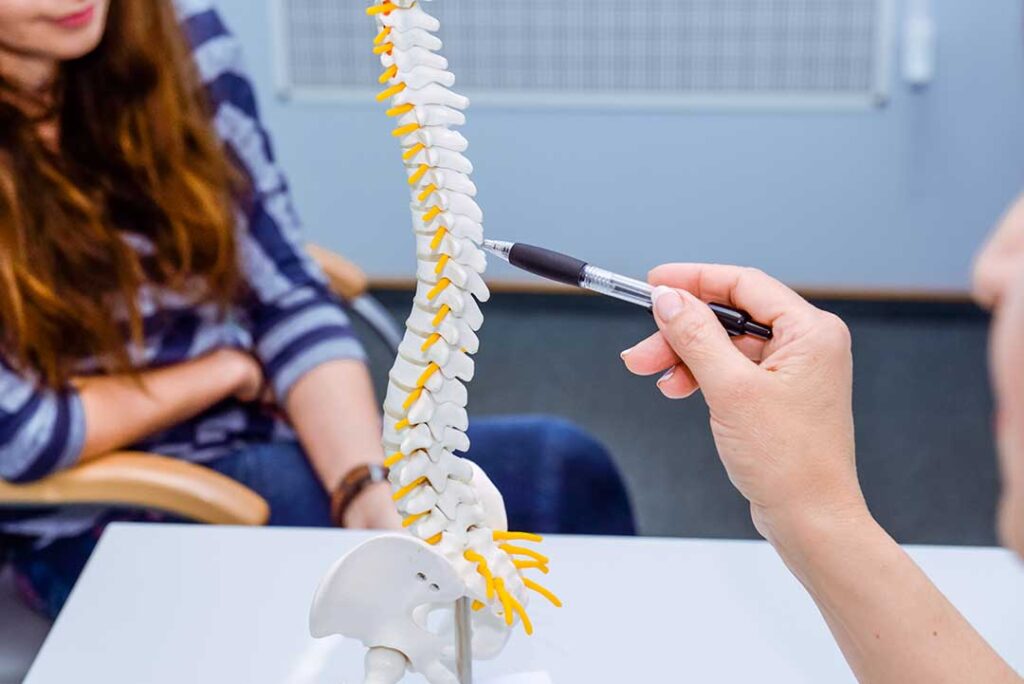
Sports can strengthen the muscles that support the spine, but poor preparation, sudden increases in activity, and repeated strain can lead to back injuries. Athletes in Lynbrook often participate in school sports, recreational leagues, running, cycling, swimming, gym workouts, and seasonal activities, so prevention needs to work across many types of movement.
What usually causes a sports-related back injury?
Most sports-related back injuries develop from a combination of stress, technique, and insufficient recovery rather than from one dramatic event. The lower back is especially vulnerable because it helps transfer force between the legs and upper body.
Common contributors include:
- Starting intense training without a gradual buildup
- Repeating the same motion, such as twisting, bending, or arching
- Lifting weights with poor form
- Landing awkwardly or losing balance
- Weak abdominal, hip, or gluteal muscles
- Tight hamstrings or hip flexors
- Playing through pain or fatigue
- Returning to a sport too quickly after an injury
Contact sports can produce sudden back strain, while non-contact activities may cause overuse injuries. Baseball, tennis, golf, gymnastics, rowing, running, soccer, basketball, and weight training all place different demands on the spine.
How should athletes warm up before practice or competition?
A useful warm-up gradually raises body temperature and rehearses the movements required by the sport. Five to ten minutes of easy movement followed by dynamic exercises is generally more helpful than beginning with intense activity or holding long stretches while the muscles are cold.
A practical warm-up may include:
- Brisk walking, easy jogging, or light cycling
- Hip circles and controlled leg swings
- Walking lunges
- Body-weight squats
- Arm movements for sports involving the upper body
- Gentle trunk rotations performed without forcing the range of motion
The final part of the warm-up should resemble the activity. A runner might add short, easy strides. A basketball player might practice controlled changes of direction. A golfer or tennis player can begin with partial swings before using full force.
Static stretching may be appropriate after the body is warm or after exercise, but stretching should not be painful or aggressive. A feeling of mild tension is acceptable; sharp pain, numbness, or radiating symptoms are not.
Which strength exercises help protect the back?
Back protection depends on more than strengthening the back itself. The trunk, hips, and legs work together to control the spine during running, jumping, lifting, and rotation.
Useful foundational exercises include:
- Front or side planks
- Bird-dog movements
- Glute bridges
- Body-weight squats
- Step-ups
- Controlled dead-bug exercises
- Hip-hinge practice using a dowel or other light support
The goal is controlled movement, not simply lifting the heaviest possible weight. An athlete should be able to keep the ribs, pelvis, and spine aligned while breathing normally. If an exercise causes back pain, it should be stopped rather than repeated in the hope that the discomfort will disappear.
Strength training should progress gradually. Increasing weight, repetitions, and training days at the same time can overload tissues. Changing only one training factor at a time makes it easier to identify what the body can tolerate.
How can athletes avoid overuse injuries?
Overuse injuries often appear as stiffness or soreness that becomes more noticeable after each practice. Prevention starts with managing the total workload, including practices, games, conditioning, physical education, weekend activities, and recreational exercise.
Helpful habits include:
- Increase training time and intensity in small steps.
- Include at least one lower-load or rest day each week.
- Alternate demanding activities when possible.
- Avoid adding extra conditioning after an unusually intense practice.
- Sleep adequately and eat regular meals.
- Keep a simple record of soreness, training time, and symptoms.

A rest day does not always require complete inactivity. Easy walking, gentle mobility work, or another comfortable low-impact activity may support recovery. However, active recovery should not be used to disguise worsening pain.
In the seasonal climate of Lynbrook, athletes may also shift quickly between indoor and outdoor routines. Moving from winter inactivity to spring running, field sports, or outdoor training can create a sudden workload increase. Early-season conditioning should be treated as a rebuilding phase, not a test of maximum performance.
What role do technique and equipment play?
Good technique reduces unnecessary force on the spine. Coaches, instructors, and athletes should pay attention to posture during lifting, landing, cutting, serving, swinging, and changing direction.
For lifting, the basic principles are to keep the load close to the body, brace the trunk without holding the breath excessively, bend through the hips and knees, and avoid twisting while carrying weight. A lighter load performed with control is safer than a heavier load that causes rounding, jerking, or loss of balance.
Equipment cannot prevent every injury, but it should fit properly and be in good condition. Worn athletic shoes, uneven soles, damaged protective equipment, or an unstable playing surface can affect balance and movement. During hot, humid conditions, hydration and scheduled breaks also matter because fatigue can reduce coordination and increase the chance of poor technique.
Should an athlete play through back pain?
Mild muscle soreness after unfamiliar exercise can improve with rest and gentle movement. Pain that is sharp, worsening, persistent, or associated with weakness should not be ignored.
An athlete should stop the activity and seek prompt medical evaluation for:
- Numbness or tingling traveling into a leg
- New weakness in the foot or leg
- Loss of bladder or bowel control
- Severe pain after a collision, fall, or direct blow
- Inability to stand or walk normally
- Fever, unexplained weight loss, or significant nighttime pain
- Back pain that does not improve with relative rest
For children and teenagers, recurring back pain deserves attention because some sports place repeated stress on the developing spine. A young athlete should not be pushed to continue simply because a game or tournament is important.
How should athletes return after a back injury?
Returning to sports should be gradual and based on function rather than on a calendar alone. Before full participation, the athlete should be able to walk, jog, bend, rotate, and perform sport-specific movements without significant pain or compensation.
A staged return may progress from:
1. Normal daily activities
2. Easy aerobic exercise
3. Non-contact sport drills
4. Faster movement and controlled changes of direction
5. Full practice
6. Competition
If symptoms return during or after a step, the workload should be reduced. Athletes recovering from a significant injury, neurological symptoms, or a collision should receive individualized medical guidance before resuming play. Returning while pain is worsening can turn a short-term problem into a longer interruption.
What can families do at home?
Households can reduce injury risk by making preparation part of the routine rather than waiting for pain to appear. Keep training areas free of loose objects, encourage warm-ups before informal games, and avoid sudden weekend-only bursts of intense activity.
Parents and athletes should also take reports of pain seriously. A child who repeatedly changes movement, avoids bending, limps, or cannot sleep comfortably may need an evaluation even if the injury did not occur during a game. Early attention can help distinguish ordinary soreness from a condition that requires rest, rehabilitation, or further testing.
