

Anxiety can affect thoughts, sleep, breathing, muscle tension, digestion, and daily routines. Chiropractic care may help some people manage physical symptoms that occur alongside anxiety, especially neck or back discomfort, but it is not a primary treatment for anxiety disorders.
For residents in Lynbrook, understanding the difference between physical symptom relief and mental health treatment can make it easier to choose appropriate care.
Can chiropractic care treat anxiety?
No strong evidence shows that spinal adjustments or other chiropractic treatments directly treat anxiety disorders. Chiropractic care is primarily used for musculoskeletal concerns such as back pain, neck pain, joint stiffness, and certain headaches.
Anxiety disorders involve persistent fear, worry, panic, avoidance, or physical symptoms that interfere with daily life. Evidence-based care commonly includes psychotherapy, particularly cognitive behavioral therapy, and in some cases medication prescribed by a qualified medical clinician.
Chiropractic care may still have an indirect role for someone whose anxiety is made worse by physical discomfort. Reducing pain or improving movement can sometimes make it easier to sleep, exercise, work, or participate in counseling.
Why might someone feel calmer after chiropractic care?
A person may experience short-term relaxation after hands-on care, gentle movement, or time spent focusing on breathing and body awareness. If muscle tension or pain has been contributing to stress, addressing that discomfort may reduce one source of distress.
Several overlapping factors may explain this response:
- Less neck, shoulder, or back discomfort
- Improved ability to move comfortably
- Temporary reduction in muscle guarding
- A quiet period away from work, commuting, or household demands
- Greater awareness of breathing and posture
- Better sleep when pain is less disruptive
These effects should not be confused with treating the underlying cause of generalized anxiety, panic disorder, social anxiety, or another mental health condition. Feeling relaxed after a session does not establish that an adjustment has changed the anxiety disorder itself.
What does anxiety feel like physically?
Anxiety can produce real and sometimes intense physical symptoms. These may include:
- Tightness in the chest or throat
- Rapid heartbeat or faster breathing
- Jaw clenching or shoulder tension
- Headaches or neck discomfort
- Stomach upset
- Restlessness, trembling, or sweating
- Fatigue and difficulty sleeping
- Increased sensitivity to ordinary aches and sensations
The relationship can work in both directions. Pain, poor sleep, and limited movement can increase worry, while anxiety can increase muscle tension and make pain feel more intrusive. In a densely settled community with busy household schedules, school obligations, commuting, and seasonal changes in outdoor activity, these patterns may be easy to overlook.
Physical symptoms should not automatically be blamed on anxiety. New chest pain, fainting, severe shortness of breath, sudden weakness, confusion, or unusual neurological symptoms require prompt medical attention.
Which chiropractic approaches are more reasonable for someone with anxiety?
If chiropractic care is being considered for a person who also has anxiety, a conservative approach is generally easier to evaluate than a plan built around aggressive or repeated treatment.
Possible approaches may include:
- Gentle spinal mobilization
- Soft-tissue techniques
- Movement and posture guidance
- Stretching or strengthening exercises
- Advice about activity, sleep positions, and work habits
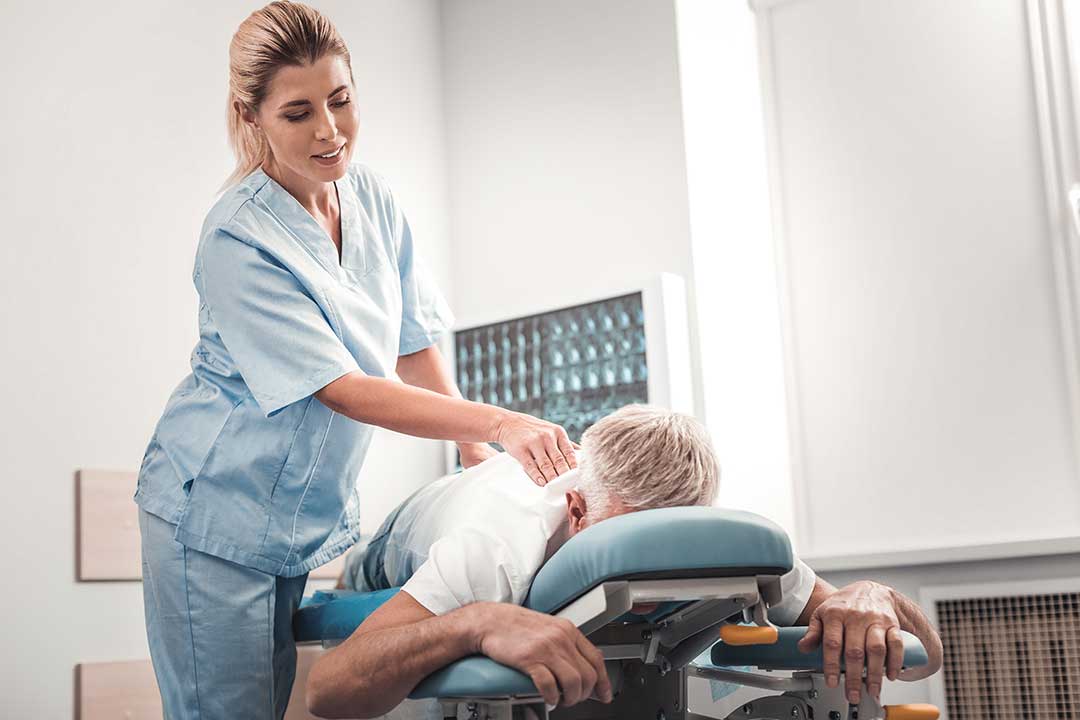
Spinal manipulation can cause temporary soreness, stiffness, headache, or increased discomfort. Serious complications are uncommon but have been reported, particularly with certain neck procedures and in people with underlying health risks.
A careful health history matters. Relevant information may include osteoporosis, inflammatory arthritis, recent trauma, blood-clotting problems, neurological symptoms, recent surgery, use of blood-thinning medication, or a history of severe headaches. A person should also be able to ask what technique is being proposed, what benefits are realistic, and what alternatives exist.
Should chiropractic care replace therapy or medication?
No. Chiropractic care should not replace psychotherapy, psychiatric care, or prescribed medication for an anxiety disorder.
Therapy can help identify worry patterns, avoidance behaviors, panic triggers, and unhelpful interpretations of bodily sensations. Cognitive behavioral therapy is commonly used for several anxiety conditions. Medication may also be appropriate, depending on symptoms, medical history, personal preference, and clinical evaluation.
A coordinated approach may be useful when anxiety and pain occur together. For example, a person might use counseling for persistent worry, medical care for medication decisions, and movement-based care for a back or neck problem. Each part addresses a different need.
What can residents try between visits?
Simple habits can support both physical comfort and emotional regulation. They are not substitutes for treatment when anxiety is persistent or severe, but they may reduce everyday tension.
- Take a brief walk, including indoors when weather or air quality limits outdoor activity.
- Break up long periods of sitting with gentle movement.
- Practice slow breathing without forcing deep breaths.
- Keep a consistent sleep and wake schedule.
- Reduce excessive caffeine if it worsens racing thoughts or a rapid heartbeat.
- Use heat, light stretching, or relaxation exercises for ordinary muscle tension.
- Notice whether pain, poor sleep, skipped meals, or stressful routines precede anxious feelings.
During colder months, reduced outdoor activity can contribute to stiffness and changes in sleep or mood. Safe indoor movement, regular daylight exposure, and a predictable routine may help counter those effects.
When should anxiety receive medical or mental health attention?
Consider seeking qualified mental health or medical evaluation when anxiety lasts for weeks, repeatedly disrupts sleep, affects work or relationships, causes avoidance, or leads to frequent panic symptoms.
Prompt evaluation is also appropriate when physical symptoms are new, severe, or difficult to distinguish from a medical problem. Anxiety can resemble heart, breathing, thyroid, medication-related, or other health conditions, so assuming that every symptom is psychological can delay needed care.
Urgent help is warranted for thoughts of self-harm, inability to stay safe, severe confusion, or an immediate medical emergency.
The practical answer
Chiropractic care may help with pain, stiffness, or muscle tension that can accompany anxiety. It may support comfort, movement, sleep, and daily functioning for some people. Current evidence does not establish chiropractic treatment as a direct or stand-alone treatment for anxiety disorders.
The most balanced approach is to treat anxiety as a mental and physical health concern: use appropriate psychological or medical care for persistent anxiety, and consider conservative musculoskeletal care only for related pain or movement problems.
