

What can chiropractic adjustments do for athletes?
For athletes in Lynbrook, NY, chiropractic adjustments may help reduce certain types of musculoskeletal discomfort, improve joint movement, and support a broader rehabilitation plan. They are not a replacement for conditioning, medical evaluation, physical therapy, or sport-specific training, but they may be useful when movement is limited by joint stiffness or mechanical pain.
An adjustment, also called spinal manipulation, uses a controlled force to move a joint through a range of motion that may be greater than the person can achieve independently. Treatment may involve the spine or other joints, depending on the athlete’s symptoms and examination findings. Some clinicians also use gentler mobilization techniques that do not involve a quick thrust.
The potential value is usually functional rather than mysterious: less discomfort, easier movement, and improved ability to participate in an appropriate exercise or rehabilitation program.
Can adjustments improve athletic performance?
There is not strong evidence that routine adjustments directly make a healthy athlete faster, stronger, or more powerful. Claims that an adjustment automatically increases endurance, prevents every injury, or corrects the body’s overall “alignment” should be viewed cautiously.
Athletes may perform better indirectly if a painful or stiff joint is interfering with normal movement. For example, restricted hip motion may change how a runner loads the knee, or upper-back stiffness may affect a swimmer’s ability to rotate comfortably. Addressing the restriction may make movement feel more natural, but performance still depends on strength, coordination, sleep, nutrition, technique, and training load.
A useful question is not “Will an adjustment make me perform better?” but “Is a specific joint or movement problem limiting my training, and is this treatment appropriate for that problem?”
Which athletic problems may respond?
The best-supported uses generally involve mechanical musculoskeletal complaints, particularly some forms of low-back pain. Research suggests spinal manipulation can provide modest short-term improvements in pain and function for some people with acute or persistent low-back pain. Athletes with activity-related back stiffness may therefore find it helpful as one part of care.
Other possible applications include:
- Restricted spinal or extremity joint motion
- Mild mechanical neck or upper-back discomfort
- Hip, ankle, or shoulder movement limitations
- Stiffness after changes in training volume
- Movement discomfort that improves with warm-up but returns afterward
Evidence is less consistent for using adjustments alone to treat tendon injuries, muscle tears, stress injuries, disc problems, or major joint instability. These conditions may require load management, strengthening, imaging, medical care, or a carefully supervised rehabilitation plan.
An adjustment should not be used to “push through” sharp pain, swelling, weakness, or a worsening injury.
How might treatment fit into sports recovery?
Chiropractic care is most useful when it supports active recovery rather than replacing it. A complete plan may include education, temporary activity modification, mobility work, progressive strengthening, balance exercises, and a gradual return to sport.
For example, an athlete with back discomfort after repeated lifting may benefit from:
1. An assessment of pain behavior, strength, sensation, and movement.
2. Short-term symptom management, which may include mobilization or adjustment when appropriate.
3. Exercises that build trunk and hip capacity.
4. Changes to lifting technique, rest intervals, or weekly training volume.
5. A staged return to heavier or faster movements.
The adjustment itself is only one component. Without addressing the reason symptoms developed—such as an abrupt increase in mileage, inadequate recovery, poor technique, or repetitive loading—temporary relief may not last.
Are adjustments useful for injury prevention?
They may help maintain comfortable movement in an athlete who has recurring stiffness, but evidence does not show that routine adjustments prevent all sports injuries. Injury risk is influenced by many factors, including prior injury, fatigue, training errors, footwear, playing surface, muscle strength, sleep, and exposure to sudden changes in intensity.
Prevention usually depends more on:
- Gradual increases in training load
- Sport-specific strength and conditioning
- Warm-ups that prepare the intended movements
- Adequate rest between demanding sessions
- Proper technique and equipment
- Early attention to persistent pain
- Recovery from illness, travel, or unusually long workdays
This is particularly relevant for residents balancing sports with commuting, school, physically demanding jobs, or household responsibilities. Seasonal changes can also alter routines. Outdoor runners and field-sport athletes may encounter colder surfaces, wet pavement, reduced daylight, or a sudden return to activity after winter inactivity.
What should athletes expect during an evaluation?
A responsible evaluation should begin with a health history and questions about the injury, training schedule, previous conditions, medications, and symptoms such as numbness or weakness. The clinician should examine movement, strength, reflexes, sensation, and relevant joints before deciding whether an adjustment is reasonable.
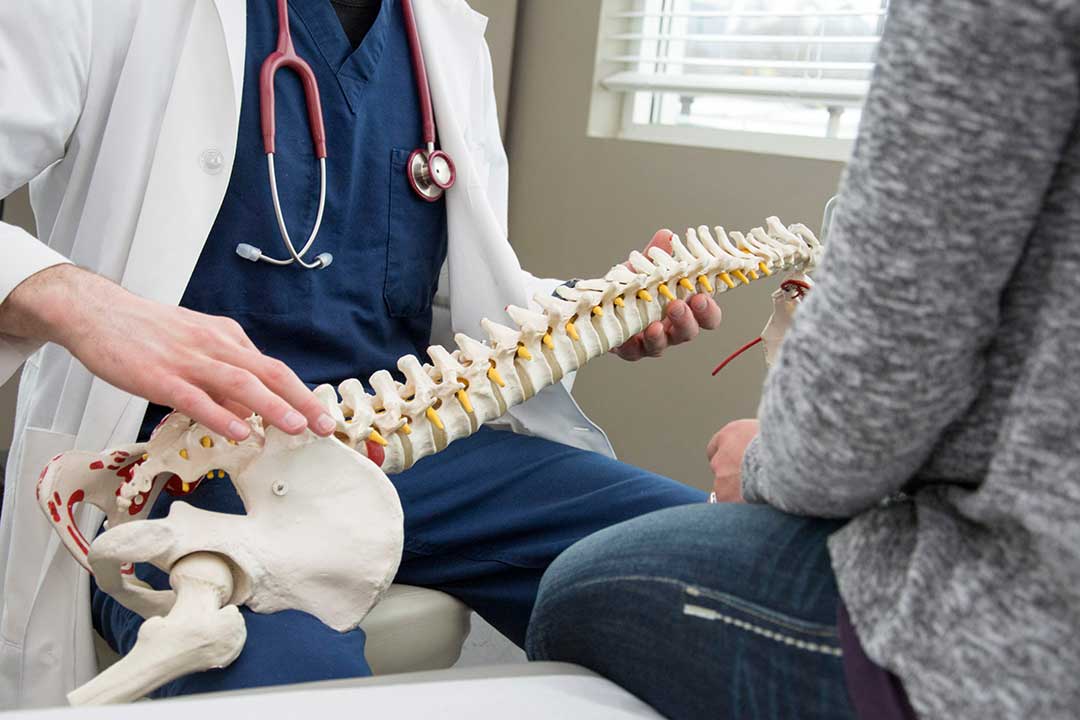
The treatment should be explained in understandable terms, including expected benefits, alternatives, and possible side effects. Mild soreness, local discomfort, or a temporary increase in symptoms can occur after manipulation. Athletes should also be told what changes would require reassessment.
A thorough evaluation may conclude that an adjustment is not appropriate. That is not a failure of treatment; it may indicate the need for a different form of rehabilitation or medical assessment.
When should an athlete avoid an adjustment or seek medical care first?
An athlete should seek prompt medical evaluation for symptoms suggesting a serious injury or neurological problem. Warning signs include:
- Major trauma, such as a collision or fall
- Inability to bear weight or use a limb normally
- Visible deformity or rapidly increasing swelling
- Progressive weakness, numbness, or loss of coordination
- Loss of bladder or bowel control
- Fever, unexplained weight loss, or severe unrelenting pain
- Chest pain, shortness of breath, fainting, or unusual systemic symptoms
- New severe headache, confusion, or neurological changes
A suspected fracture, dislocation, infection, spinal cord problem, or significant concussion requires medical care rather than routine manual treatment. Neck manipulation also deserves particular caution. Serious complications are uncommon, but any treatment involving the neck should follow a careful discussion of risks, alternatives, and individual health factors.
How can athletes judge whether it is helping?
Improvement should be measured by practical function, not only by whether a joint makes a cracking sound. Useful measures include:
- Walking, running, lifting, or reaching with less discomfort
- Improved range of motion
- Better tolerance of training sessions
- Fewer symptoms during ordinary activities
- Progress with prescribed strengthening or mobility exercises
If symptoms repeatedly return, worsen, or fail to improve over a reasonable period, the treatment plan should be reconsidered. Athletes benefit from clear goals and periodic reassessment rather than indefinite passive care.
For local athletes, chiropractic adjustments may be a reasonable option for selected mechanical movement problems, especially when combined with exercise and sound training habits. Their role is supportive: helping an athlete move more comfortably while the underlying capacity, technique, and recovery routine are addressed.
