
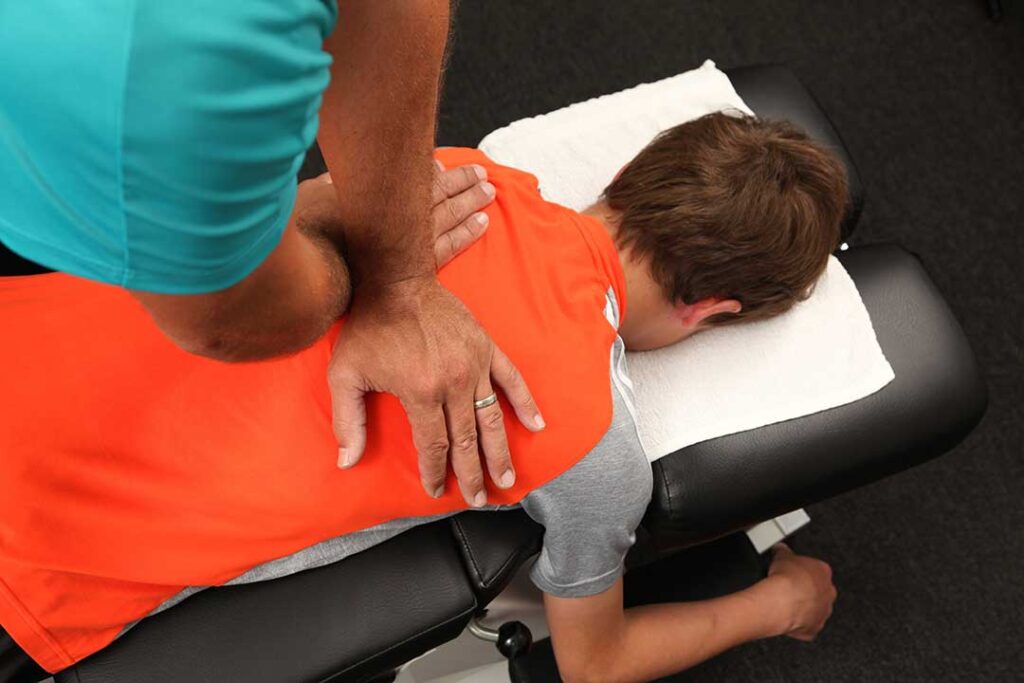
Chiropractic care and massage therapy can both be used for muscle and joint discomfort, but they are not the same type of treatment. The main difference is that chiropractic care often evaluates joint movement and may use spinal manipulation, while massage therapy primarily works with muscles and other soft tissues.
For residents of Lynbrook, NY, the right choice depends on the nature of the problem, the symptoms involved, personal health history, and whether the goal is improved movement, reduced muscle tension, relaxation, or support during recovery.
What does chiropractic care focus on?
Chiropractic care focuses mainly on the relationship between the spine, joints, muscles, nerves, and movement. A chiropractor may assess posture, range of motion, joint function, muscle balance, and symptoms such as back pain, neck pain, or radiating discomfort.
Treatment may include:
- Spinal manipulation, sometimes called an adjustment
- Gentle joint mobilization
- Stretching or movement exercises
- Soft-tissue techniques
- Advice about posture, lifting, and everyday movement
Spinal manipulation uses a controlled force or movement applied to a joint. Some techniques involve a quick, low-amplitude thrust, while others are slower and gentler. Not every chiropractic visit includes an adjustment, and treatment should be adapted to the person’s symptoms and medical history.
A chiropractic evaluation may be useful when discomfort seems connected to restricted joint movement, recurring back or neck stiffness, or difficulty performing normal activities. It is not intended to replace emergency care or evaluation for serious medical conditions.
What does massage therapy focus on?
Massage therapy focuses primarily on muscles, fascia, tendons, and other soft tissues. The therapist uses hands, fingers, forearms, or sometimes specialized tools to apply pressure or movement to the body.
Common approaches include:
- Swedish or relaxation massage
- Deep-tissue techniques
- Trigger-point work
- Myofascial techniques
- Sports or activity-related massage
- Prenatal massage with appropriate modifications
Massage may help reduce muscle tightness, improve a sense of relaxation, and temporarily ease soreness related to stress, repetitive activity, prolonged sitting, or physical exertion. It may be especially appealing to someone who feels that the main problem is tense or overworked muscles rather than a restricted joint.
For people who spend long periods at a desk, commute regularly, care for children, or perform physically demanding household tasks, massage may address muscle fatigue that builds gradually.
How are the treatments different?
The clearest difference is the structure being treated.
| Chiropractic care | Massage therapy |
|—|—|
| Often emphasizes joints, spinal movement, and functional assessment | Primarily emphasizes muscles and soft tissues |
| May include spinal manipulation or mobilization | Uses pressure, kneading, stretching, and other tissue techniques |
| Usually begins with a health and movement history | Usually begins with a discussion of symptoms, goals, and comfort |
| May address restricted movement or joint-related pain | May address muscle tension, soreness, and stress-related tightness |
| Can include exercise and movement advice | Often emphasizes relaxation, tissue comfort, and recovery |
These categories can overlap. A chiropractor may use massage or soft-tissue work, and a massage therapist may include stretching or movement guidance. The titles describe different professional approaches, but the specific session can vary.
Which is better for back or neck pain?
Neither treatment is automatically better for every person. Both massage therapy and spinal manipulation may provide short-term relief for some types of low-back pain, but results vary by the cause of the pain and the individual.
Massage may be more appropriate when symptoms feel like:
- General muscle tightness
- Tenderness after exercise or physical work
- Stress-related tension
- Soreness from prolonged sitting
- Mild stiffness without numbness or weakness
A chiropractic assessment may be considered when symptoms involve:
- Noticeably limited spinal or joint movement
- Recurrent mechanical back or neck pain
- Discomfort associated with certain positions or movements
- A feeling of joint stiffness combined with muscle guarding
Pain that travels down an arm or leg, persistent tingling, numbness, weakness, or worsening symptoms should not be treated as ordinary muscle tension without further evaluation. Those symptoms can involve nerves or other conditions that require a broader medical assessment.
Can chiropractic care and massage therapy be used together?

They can sometimes be part of the same overall care plan, but combining treatments is not automatically necessary. Using both may make sense when a person has restricted movement along with significant muscle tension, provided the approaches are coordinated and medically appropriate.
For example, joint-focused care might be paired with gentle soft-tissue work when muscle guarding makes movement uncomfortable. In another situation, massage may be used for relaxation while exercise and gradual activity address longer-term function.
More treatment is not always better. Repeated hands-on care without attention to sleep, activity, strength, workstation setup, lifting habits, or other contributing factors may provide only temporary relief.
What safety issues should Lynbrook residents consider?
Both approaches are generally considered low risk for many healthy adults when performed appropriately, but neither is risk-free.
Massage may need to be modified or avoided over open wounds, active skin infections, recent injuries, areas of unexplained swelling, or places affected by certain medical conditions. Forceful deep-tissue work may be inappropriate for people with bleeding disorders or those taking blood-thinning medication.
Chiropractic manipulation may also require caution for people with certain bone, joint, vascular, neurological, or connective-tissue conditions. Pregnancy, recent surgery, osteoporosis, and significant trauma should be disclosed before treatment.
A person should provide a complete health history and describe all symptoms clearly. Treatment should stop if it causes sharp, escalating, or unusual pain.
When should pain be evaluated medically first?
Hands-on treatment should not delay medical evaluation for warning signs. Prompt medical attention is appropriate for back or neck pain accompanied by:
- New or progressive weakness
- Loss of bladder or bowel control
- Numbness in the groin or inner thighs
- Fever, unexplained weight loss, or feeling seriously unwell
- Severe pain after a fall, crash, or other trauma
- Unexplained pain that is constant or rapidly worsening
- Chest pain, shortness of breath, or other concerning symptoms
These signs do not identify a specific diagnosis, but they can indicate a need for timely assessment beyond massage or routine musculoskeletal care.
How can someone choose between the two?
Start by identifying the main goal. Someone seeking relaxation and relief from generalized muscle tightness may prefer massage therapy. Someone concerned about movement restrictions, recurring joint-related discomfort, or a need for a structured musculoskeletal assessment may consider chiropractic care.
It is also reasonable to ask:
- What areas will be treated?
- What techniques will be used?
- What symptoms should be reported immediately?
- Are there conditions or medications that change the treatment plan?
- What self-care or movement recommendations accompany hands-on care?
- How will progress be judged?
For seasonal activities, snow clearing, yard work, home maintenance, and prolonged indoor sitting, gradual conditioning and safe movement habits can be as relevant as hands-on treatment. The most useful approach is usually the one that matches the suspected source of discomfort while recognizing when symptoms require medical evaluation.
