
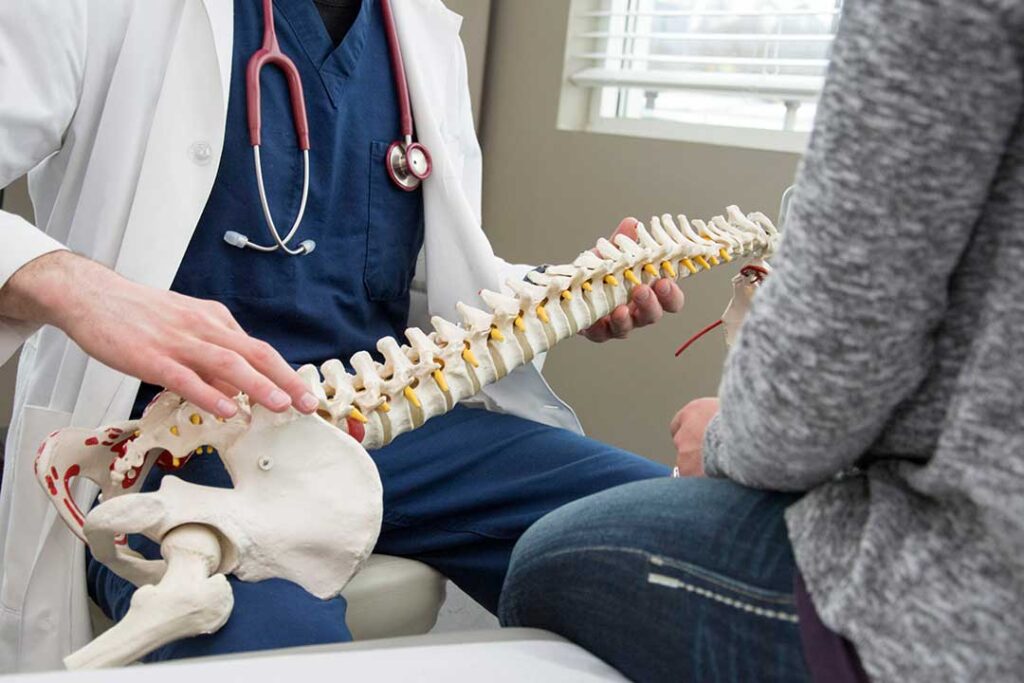
A strong core helps the spine manage everyday movement, lifting, balance, and changes in posture. For residents of Lynbrook, NY, building core strength can support activities such as commuting, climbing stairs, carrying groceries, doing household chores, and staying active through changing seasonal conditions.
Core training is not a guarantee against back pain, and it is not limited to visible abdominal muscles. Spinal health depends on coordinated strength, mobility, endurance, and movement habits throughout the trunk, hips, and legs.
What does “core strength” actually mean?
Core strength refers to the ability of the muscles around the abdomen, lower back, pelvis, hips, and sides of the trunk to support and control the body. These muscles work together to keep the spine steady while the arms and legs move.
The core includes more than the front abdominal muscles. Important contributors include:
- The deep abdominal muscles that help stabilize the trunk
- The muscles along the spine
- The diaphragm, which assists with pressure and breathing
- The pelvic floor muscles
- The muscles around the hips and pelvis
Core strength is different from simply having a firm-looking stomach. A person may have strong muscles but poor coordination, limited hip mobility, or low endurance. For spinal health, the goal is controlled movement rather than appearance.
How does core strength protect the spine?
The core helps distribute forces through the body during bending, lifting, reaching, walking, and changing direction. When the trunk is well controlled, the lower back may not have to handle more movement or load than it can comfortably manage.
Core muscles also help with:
- Maintaining balance while standing or walking
- Controlling the pelvis during movement
- Supporting upright posture during sitting
- Reducing unnecessary twisting or arching
- Improving confidence with everyday physical tasks
This does not mean the spine must remain perfectly still. The spine is designed to move. Healthy movement usually involves a combination of spinal motion, hip motion, leg strength, and trunk control.
A common misconception is that back protection requires keeping the abdomen tightly braced all day. Excessive bracing can make breathing and movement feel rigid. A more useful approach is learning to engage the trunk gently when a task requires added support, such as lifting a laundry basket or getting up from a low chair.
Can core exercises reduce back pain?
Core exercises may help some people with recurring or persistent low back pain, especially when they are part of a broader exercise plan. They can improve strength, endurance, balance, and confidence with movement.
However, no single exercise works for every type of back pain. Pain may also involve joints, discs, nerves, muscles, inflammatory conditions, injuries, or factors unrelated to strength. Core exercises should not be treated as a universal cure.
For people with ongoing symptoms, a gradual program may include walking, mobility work, hip strengthening, trunk exercises, and activity adjustments. Staying gently active is often more useful than prolonged bed rest when there are no warning signs of a serious condition.
Which core exercises are reasonable for beginners?
Beginners generally benefit from exercises that emphasize control and breathing rather than speed or heavy resistance. Examples include:
- Abdominal bracing: Lie down or sit comfortably, breathe normally, and gently tighten the abdominal muscles as though preparing for a light impact. Hold for several breaths without straining.
- Bird-dog: From a hands-and-knees position, slowly extend one arm or one leg while keeping the trunk steady. Progress to opposite arm and leg when control improves.
- Dead bug variations: While lying on the back, move one arm or one leg at a time while keeping the lower back in a comfortable position.
- Bridge: Lift the hips gradually while using the hips and trunk, avoiding excessive arching of the lower back.
- Side plank modifications: Support the body from the knees or a raised surface before attempting a full side plank.
- Controlled chair squats: Lower toward a sturdy chair and stand again while keeping the knees and trunk aligned.
The right starting point depends on age, fitness, pain history, balance, and medical conditions. A movement that feels manageable for one person may be too demanding for another. Sharp pain, increasing numbness, or symptoms traveling farther into an arm or leg are reasons to stop that exercise.
How often should core muscles be trained?
Most adults can include muscle-strengthening activity at least two days each week, with rest or lighter activity between demanding sessions. Core exercises do not need to be performed every day to be useful.
A practical starting routine might include two or three exercises, one set of several controlled repetitions or brief holds, and a gradual increase over time. Quality matters more than performing many repetitions. If form deteriorates, the exercise has probably become too difficult or too long.

Core work should also be balanced with general activity. Walking, stair climbing, resistance training, and mobility exercises help the body function as a coordinated system. In a compact home, exercises using body weight, a wall, a sturdy chair, or a resistance band may be sufficient.
What local habits can affect spinal health?
Daily routines often matter more than a single workout. In a dense suburban community, residents may spend long periods sitting during commuting, working at a desk, or driving. Extended sitting can make the hips and trunk feel stiff, particularly when followed by lifting, yard work, or household projects.
Cold or wet weather may also reduce outdoor activity for stretches of time. A sudden return to shoveling, moving storage items, or intensive spring cleanup can challenge muscles that have not been used regularly.
Helpful habits include:
- Changing position every 30 to 60 minutes during prolonged sitting
- Taking brief walking or standing breaks
- Keeping frequently used household items within comfortable reach
- Bending through the hips and knees when lifting
- Holding loads close to the body
- Avoiding sudden twisting while carrying weight
- Increasing seasonal chores gradually instead of completing everything at once
These habits do not eliminate risk, but they can reduce unnecessary strain and improve movement tolerance.
When should back symptoms be evaluated promptly?
Most episodes of mild back discomfort are not caused by a dangerous condition, but some symptoms require timely medical attention. Seek prompt evaluation for back pain accompanied by:
- New loss of bladder or bowel control
- Numbness around the inner thighs or groin
- Significant or progressive leg weakness
- Fever, unexplained weight loss, or feeling seriously ill
- Severe pain after a fall or other trauma
- Pain that is worsening rapidly or does not improve with reasonable activity changes
People with osteoporosis, a history of cancer, major trauma, or significant medical conditions may also need individualized guidance before beginning strenuous exercise.
Core strength is one part of spinal health, not the entire solution. A balanced approach combines regular movement, trunk and hip strength, adequate recovery, sensible lifting habits, and attention to symptoms that do not follow a typical pattern.
